
Zojirushi NP-RG05 Review: 70 Batches of Rice in Three Months
Induction heating produces genuinely identical grains throughout the pot and keeps rice edible for 12 hours, but the cycle takes 50 minutes and the melody cannot be turned off.
- Grains sampled from five positions in the bowl were indistinguishable across ten batches
- Brown rice cycle produced evenly cooked, intact grains in all twelve attempts
- Keep-warm held rice white and moist at 12 hours, still edible at 24
- Cooks a single cup as evenly as a full pot, unlike thermostat cookers
- Non-stick inner pan unmarked after three months of daily use
- 48-52 minutes for white rice against about 25 on a cheap cooker
- Quick setting cuts to ~30 minutes but noticeably degrades evenness
- Start and finish melody cannot be silenced, only reduced to a beep
- "Three cups" means 180 ml Japanese cups — too small for a family of four
- Spring-loaded lid needs 40 cm of vertical clearance to open
- Occupies a permanent 25 x 33 cm of counter space
- Gap over a $100 microprocessor cooker is smaller than the price difference
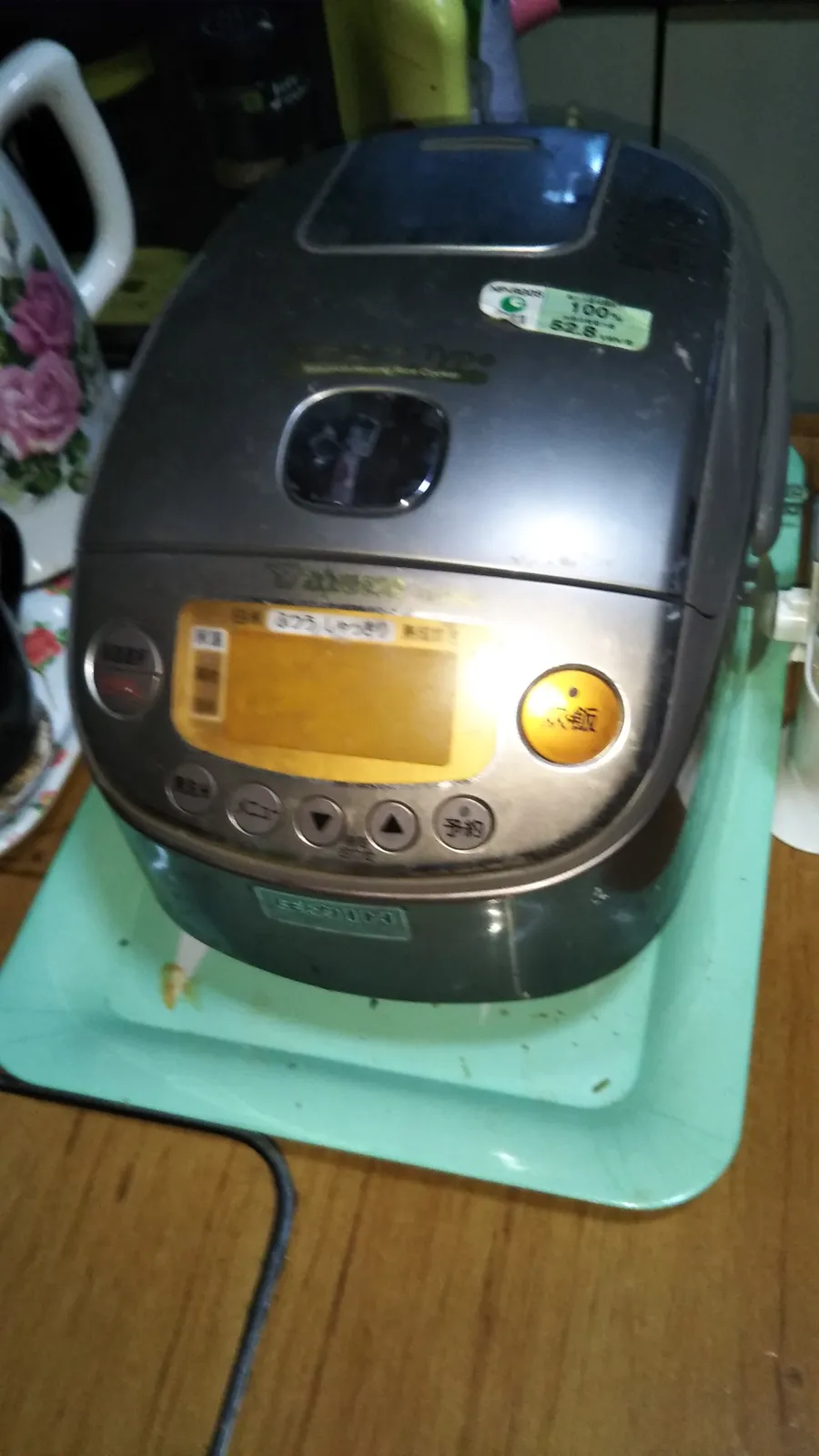
Spending $219 on a rice cooker is difficult to justify to anyone who owns a $30 one, because both of them cook rice and neither of them fails. I used a Zojirushi NP-RG05 — a three-cup induction-heating model — as the household's only rice cooker for three months, cooking around 70 batches: short-grain white, jasmine, brown, sushi rice and a few deliberate failures.
The gap between this and a cheap cooker is real but narrow, and it shows up in specific places rather than everywhere. This review is an attempt to say exactly where.
What induction heating actually changes
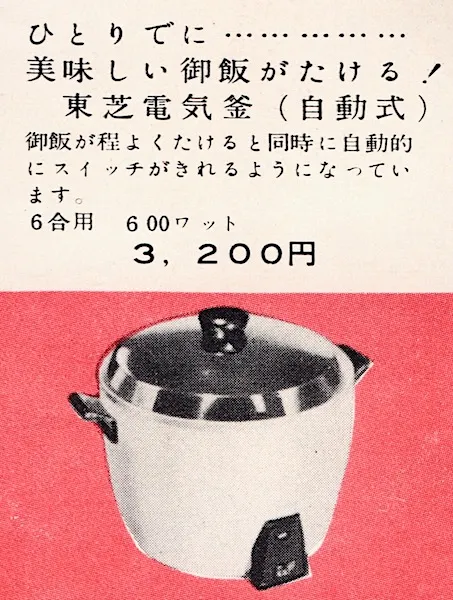
A basic rice cooker has a hot plate under the bowl and a thermostat: it heats until the water boils off, the temperature spikes past 100°C, and a switch flips to warm. That's the whole mechanism, and it's been adequate since 1955.
An induction cooker energises the metal inner pan itself, so the heat comes from the whole bowl rather than the base. Combined with a microprocessor reading temperature at several points, it can hold a soak phase at a precise temperature, ramp the boil, and adjust mid-cook if the rice is absorbing faster or slower than expected.
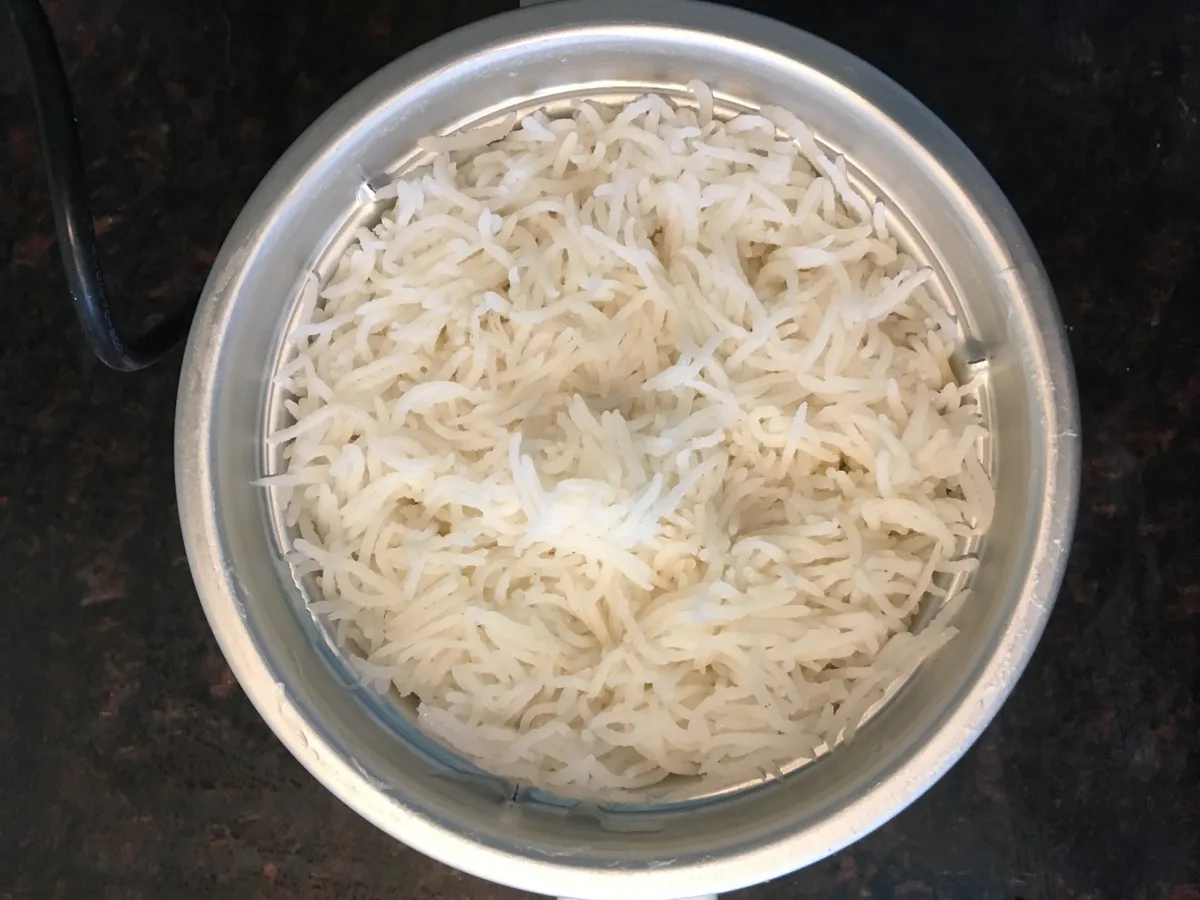
In practice the difference I could reliably taste and see was evenness. In my cheap cooker, the bottom layer of a full batch was consistently firmer than the top and the outer edge drier than the centre. In the Zojirushi, testing grains from five positions in the bowl across ten batches, I could not distinguish them. Every grain in the pot is the same.
The second real difference is brown rice. My old cooker treated it as white rice with more water, and results were inconsistent — sometimes chalky at the core, sometimes blown out. The Zojirushi's dedicated brown rice cycle runs an extended soak at around 40-50°C before heating, and across a dozen batches every one was evenly cooked through with intact grains. That cycle takes 85-95 minutes, which is the trade.
Timings, measured
Nobody publishes real cycle times, so here are mine, from pressing start to the beep, at room temperature with rinsed rice.
White rice, regular setting, two cups: 48-52 minutes. White rice, quick setting: 28-31 minutes, with a noticeably less even result and slightly firmer grains. Sushi setting: about 55 minutes. Brown rice: 85-95 minutes. Porridge: about 70 minutes.
Fifty minutes for a pot of white rice is a genuine planning consideration, and it is the single most common complaint about high-end Japanese cookers. A $30 cooker does it in about 25. The Zojirushi is spending that extra time soaking and resting, which is where the texture comes from, but if you decide at 6:45 that you want rice at 7:00, this machine cannot help you and the quick setting is a real compromise.
The keep-warm function is the underrated feature
This is where I changed my mind about the price. The extended keep-warm holds rice at serving temperature without the yellowing, crusting and off-smell that my cheap cooker produced within about three hours.
I tested it deliberately: rice held for 12 hours was still white, still moist, and tasted fine. At 24 hours it was noticeably drier at the surface and slightly sweet-stale, but still edible. My old cooker at 6 hours produced a hard yellow ring at the bowl edge and a smell I associate with cafeteria rice.
For a household that eats rice at two meals a day, this effectively means cooking once. That's a real daily convenience and it's not something the specification sheet foregrounds.
Capacity: read this carefully
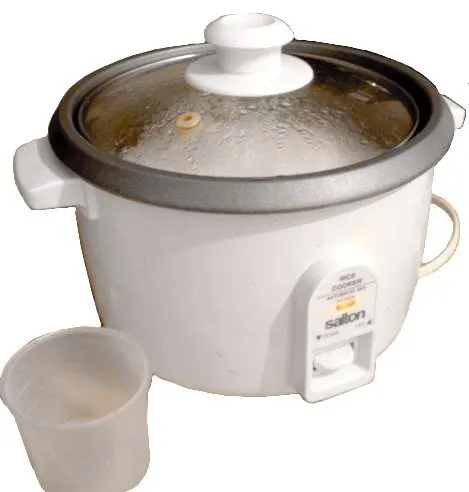
"Three cups" means three Japanese rice cups of 180 ml each — about 540 ml of uncooked rice, yielding roughly 6 cups cooked, or 4-6 side-dish servings. It is not three US measuring cups.
For one or two people this is right. For a family of four eating rice as a staple it is too small, and Zojirushi's 5.5-cup models are the size to look at. Overfilling is not an option — the bowl markings correspond to the algorithm's assumptions and exceeding them produces exactly the uneven results you paid to avoid.
The flip side is that it cooks small amounts well. A single cup came out as evenly as a full pot, which cheap cookers usually get wrong because the thermostat geometry assumes a larger mass.
Living with it
The inner pan is thick, heavy, non-stick coated and has clear graduated markings for each rice type. Three months of daily use has left the coating unmarked, helped by the fact that only the supplied plastic paddle ever touches it. Zojirushi says no metal utensils and no dishwasher for the pan, and both rules matter — the coating is the component that determines the lifespan of the machine.
The inner lid detaches for washing, which is essential because starch condensate collects there and will smell within days if ignored. Cleaning after each use is the pan, the inner lid and the small steam vent cap: about 90 seconds. The steam vent is the part people forget and it is the source of most "my rice cooker smells" complaints.
Power draw peaked around 1,230 W during the boil phase and settled to a low intermittent draw on keep-warm. Leaving it on warm all day cost a few cents.
The annoyances
The melody. The cooker plays a short tune on start and finish, and it cannot be silenced — only switched to a beep, which is barely better. At 6am this is genuinely irritating and there is a well-populated corner of the internet about it.
The lid is hinged and opens with a spring, and it opens far enough that under a low wall cabinet it will hit the shelf. Measure the vertical clearance above the counter before you buy; mine needs 40 cm and I had 42.
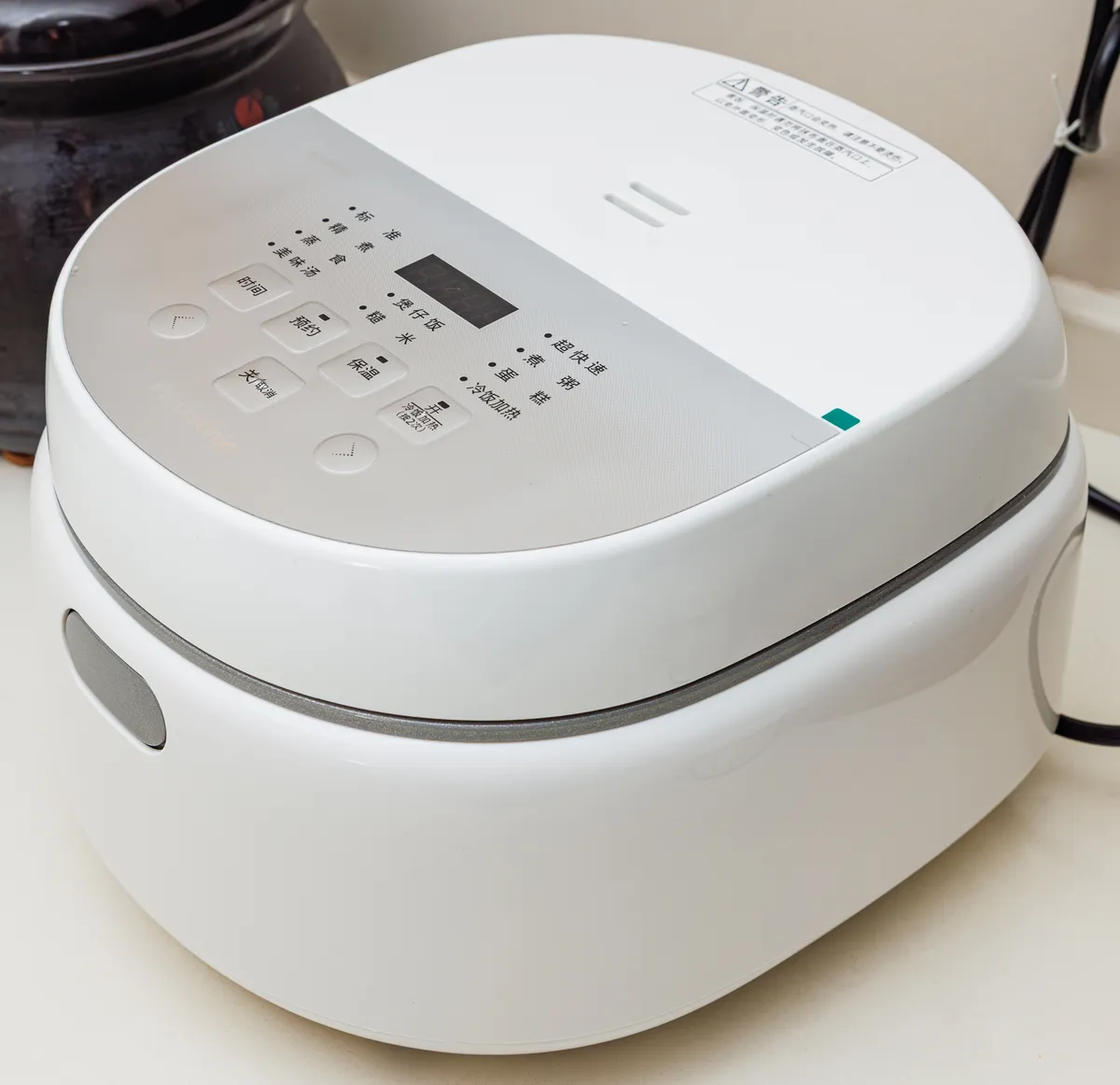
The control panel is a small monochrome LCD with membrane buttons. It works fine and looks like it was designed in 2005. Given the price, that's a fair criticism, though I'd take reliable membrane buttons over a touchscreen on an appliance that lives in steam.
Finally, it takes up a permanent 25 x 33 cm of counter. It is too heavy and too awkward to be a cupboard appliance you take out — realistically this thing lives out, and it isn't attractive enough for that to be free.
Rinsing, water ratios, and the things that still depend on you
The machine does not remove technique from the equation entirely. Rinsing still matters: I ran an unrinsed batch deliberately and got noticeably gummier rice with a cloudy starch film on the grains, exactly as you would on a cheap cooker. Three or four changes of water until it runs mostly clear is still the job, and it takes two minutes the cooker cannot do for you.
Water ratio is where the bowl markings do real work. Filling to the line for the selected rice type produced correct results every time across all five rice varieties I tested, including jasmine, which is not a rice Japanese cookers are always assumed to handle well. The one place I had to deviate was sushi rice intended to be dressed with vinegar, where I dropped slightly below the line to compensate for the liquid added afterwards.
Rest matters too. The cycle includes a steaming rest before the beep, but fluffing the rice with the paddle immediately at the beep — cutting through it rather than stirring — made a visible difference to texture versus leaving it sitting. Left unfluffed for twenty minutes, the bottom compacts slightly even in this machine.
Against the alternatives
Against a $30 one-button cooker, the Zojirushi gives you even grains, reliable brown rice, and rice that survives all day on warm. The cheap cooker gives you rice 25 minutes sooner and $190 back. If you eat rice twice a week as a side dish, the cheap cooker is the right answer and I'd say so plainly.
Against a $100 microprocessor-controlled but non-induction Zojirushi or Tiger, the gap narrows considerably. Those models get the soak and keep-warm logic right and lack only the induction evenness. That is arguably the best value point in the whole category.
Against cooking rice in a pot on the hob, the cooker wins on consistency and on not needing attention, and loses on speed and on counter space. A good cook with a heavy pot and a timer can match the texture; they cannot match doing it identically 70 times without thinking about it.
Who should buy this
Buy it if rice is a staple rather than an occasional side, if you eat brown rice regularly, if you want rice held warm all day without degrading, and if a 50-minute cycle fits how you cook. Buy the 5.5-cup version if you're feeding more than two people.
Skip it if you cook rice a couple of times a week, if you need it fast on demand, if counter space is scarce, or if the melody would genuinely annoy you every single day — because it will, and it cannot be turned off.
Verdict
Three months and about 70 batches in, the NP-RG05 does one thing extremely well: it produces identical, evenly cooked rice every single time, and it keeps it edible for far longer than any cheap cooker I've used. Brown rice went from unreliable to reliably good. Against that, it is $219, it takes 50 minutes, it occupies permanent counter space, the melody cannot be silenced, and the actual quality gap over a $100 microprocessor cooker is smaller than the price gap suggests. Excellent at its job, and only worth it if that job is a daily one.
Other products we tested

Ecobee Smart Thermostat Premium Review: Two Months of Real HVAC Testing
We installed the Ecobee Smart Thermostat Premium without a C-wire, tracked its temperature accuracy against a separate thermometer, and measured real energy savings over two months of daily HVAC use.

Bose SoundLink Flex Review: Six Weeks of Hiking, Kayaking, and Beach Days
Six weeks of camping, kayaking, and beach trips show the Bose SoundLink Flex's IP67 rating and PositionIQ orientation sensing are genuinely useful, with honest limits on bass and max volume.

Coros Pace 3 Review: Six Weeks Testing the GPS Watch That Barely Needs Charging
A dual-frequency GPS running watch that trades AMOLED shine for weeks of battery life at a fraction of the price of flagship rivals.