
Weber Spirit II E-310 Review: 14 Weeks of Real Backyard Grilling
After fourteen weeks and more than 40 cooks, the Weber Spirit II E-310 proved to be an even-heating, flare-up-resistant upgrade over entry-level grills, with a couple of real mechanical quirks worth knowing about.
- Even heat distribution across the grate, under 25 degF left-to-right swing at a fixed setting
- GS4 Flavorizer bars meaningfully cut down flare-ups compared to entry-level grills
- Three independently controlled burners enable real two-zone and three-zone cooking
- Porcelain-enameled cast iron grates and cook box showed zero rust or warping after a full season
- Long component-based warranty, up to 10 years on the cook box and lid
- Infinity ignition system needed a second or third click about 10% of the time, worse in humid weather
- 424 sq in primary cooking area runs tight for cookouts of 12+ guests, forcing cooking in shifts
- Left burner control knob developed a noticeably looser feel by week 10 of testing
- Low-and-slow cooks drifted 15-20 degF over a 4-hour smoke and need attention every 45 minutes
- Costs roughly double an entry-level big-box 3-burner grill
- No side burner on this E-310 trim, unlike Weber's step-up LX models
We spent a full grilling season — roughly fourteen weeks, from late April through early August — cooking on a Weber Spirit II E-310, the mid-tier three-burner propane model that sits in the sweet spot of Weber's lineup: more capable than the two-burner Spirit II E-210, but a few hundred dollars cheaper than stepping up to a Genesis. It replaced a nine-year-old Char-Broil that had finally rusted through its firebox, so this review is written from the perspective of someone upgrading from a "big box store" grill into Weber's actual mid-range, not from someone comparing flagship to flagship.
Over those fourteen weeks we ran the grill an estimated 40-plus times: weeknight chicken thighs and burgers, three full backyard cookouts with 12-15 guests, a few low-and-slow pork shoulder attempts using the indirect-heat method, and a couple of pizza nights using a steel inserted over the center burner. That range of use — from a five-minute reheat to a four-hour indirect cook — is exactly what exposes the differences between a decent grill and a great one, and the Spirit II E-310 showed both real strengths and a few annoyances worth knowing about before you buy.
Assembly and first impressions
Assembly took just under two hours working alone, closer to 75 minutes with a second set of hands holding panels in place while bolts went in. The instructions are Weber's usual numbered-bag system, which is a genuine improvement over generic grill assembly manuals — every bag of hardware is labeled to a specific step, so you're never digging through a pile of identical bolts trying to guess which ones are M5 and which are M6. The cart is the heaviest single subassembly and benefits from a helper to hold it square while you square up the side tables, but it's doable solo if you're patient.
Fit and finish out of the box was noticeably better than the grill it replaced. The porcelain-enameled lid and cook box have an even, glossy finish with no visible casting seams or paint runs, the cast aluminum side tables (not the flimsier stamped steel some competitors use) don't flex when you lean on them, and the locking caster wheels actually lock — a small thing, but the casters on our old grill would drift on a sloped patio, which this one never did once the lid was on and closed.
Burner layout, ignition, and the GS4 grilling system
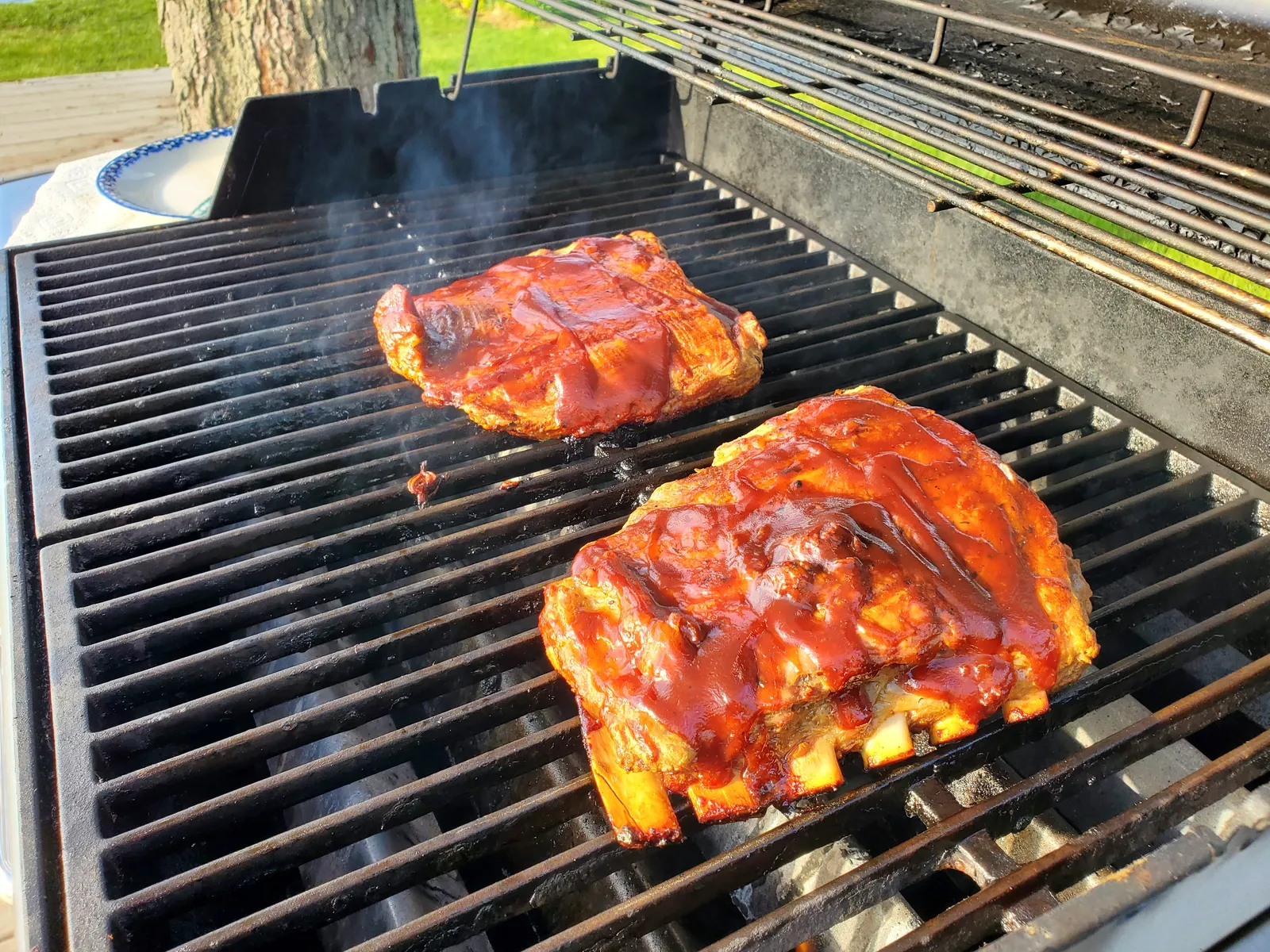
The E-310 uses Weber's GS4 high-performance burner system: three stainless steel tube burners rated at a combined 30,000 BTU-per-hour, an Infinity ignition system, a grease-management channel that funnels drippings to a removable catch pan, and a "Flavorizer" bar design over each burner that vaporizes drippings into smoke rather than letting them puddle and cause flare-ups. In practice, the flare-up reduction is real and noticeable — cooking fattier cuts like chicken thighs with the skin on, or an 80/20 ground beef burger, produced far fewer of the sudden flame-ups that used to force us to yank food off the grate on the old unit. We still got occasional flare-ups on very fatty cuts, but they were smaller, shorter, and easier to manage by nudging the food to a cooler zone rather than by frantically moving everything at once.
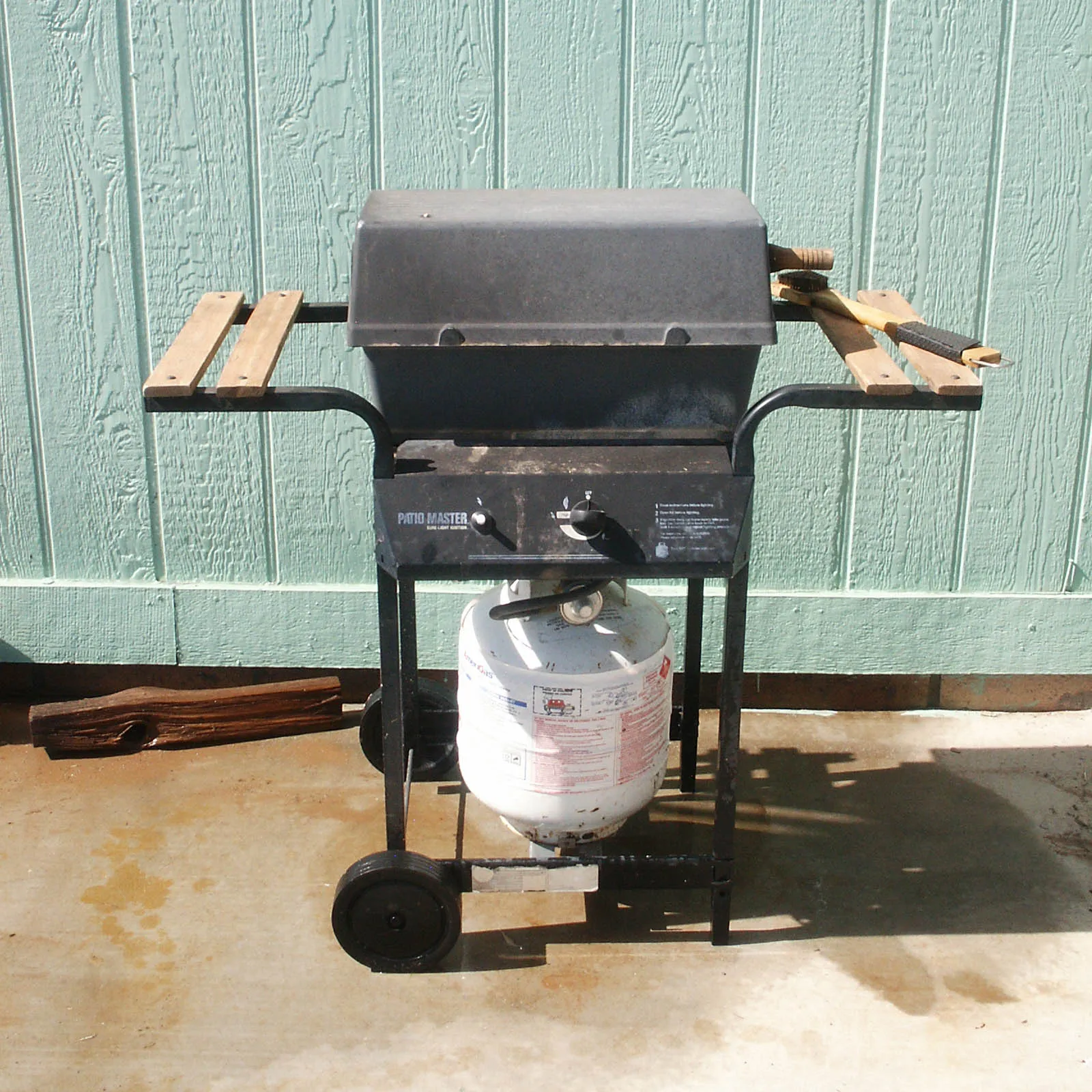
Ignition reliability is the one mechanical area where our experience wasn't perfect. The Infinity ignition system lit on the first click roughly 90% of the time across the season. The other 10% — usually 3 to 5 times total — needed a second or third click, and on two occasions in humid, rainy weather it took closing the lid, waiting 30 seconds to let gas build, and clicking again before it caught. That's a known characteristic of piezo-style ignitors generally and not unique to Weber, but it's worth setting expectations: don't expect flawless one-click ignition every single time, especially in damp conditions. Weber does include a match-lighting hole on the front panel as a manual backup, and we used it twice without issue.
Heat output and temperature control
With all three burners on high, we consistently measured 550-600°F at grate level using an oven-safe probe thermometer laid directly on the cooking grate, measured about 10 minutes after preheat with the lid closed. That's plenty hot for a proper sear on steaks and enough to get decent grill marks on vegetables before they turn to mush. The three independently controlled burners are the real advantage of the "3-burner" spec over the cheaper 2-burner Spirit II E-210: you get genuine two-zone or three-zone cooking, meaning you can run the left and center burners on high for searing while keeping the right burner off or low as a safe zone to rest food, finish thicker cuts without charring the outside, or hold side dishes warm without drying them out.
Low-and-slow performance was solid but requires attention. Running just the two outer burners on low with the center off, and vents adjusted, we held 250-275°F for a 4-hour pork shoulder cook, checking every 45 minutes. Temperature drifted by 15-20°F over that window depending on outdoor wind and ambient temperature, which is normal for any gas grill (a dedicated smoker holds steadier), but it did mean we couldn't just walk away for two hours unattended the way a true offset smoker allows. If dedicated low-and-slow barbecue is your primary use case, this grill can do it, but a WSM-style dedicated smoker will still hold a steadier temperature with less babysitting.
Cooking area and everyday use
The 424 square inches of primary cooking area (the 529 total including the warming rack) comfortably fit 8-10 burgers at once, or a full spatchcocked chicken plus a tray of vegetables on the warming rack simultaneously. For our three larger cookouts (12-15 guests), we did run into real space constraints — cooking burgers, hot dogs, and chicken skewers in shifts rather than all at once, which added roughly 20 minutes to total serving time compared to what a larger 4-burner Genesis would likely handle in one pass. If you regularly host groups larger than about 10, the extra cooking area on a step-up model is worth the added cost; for typical weeknight cooking and gatherings of 6-8, the E-310's cooking area was never limiting.
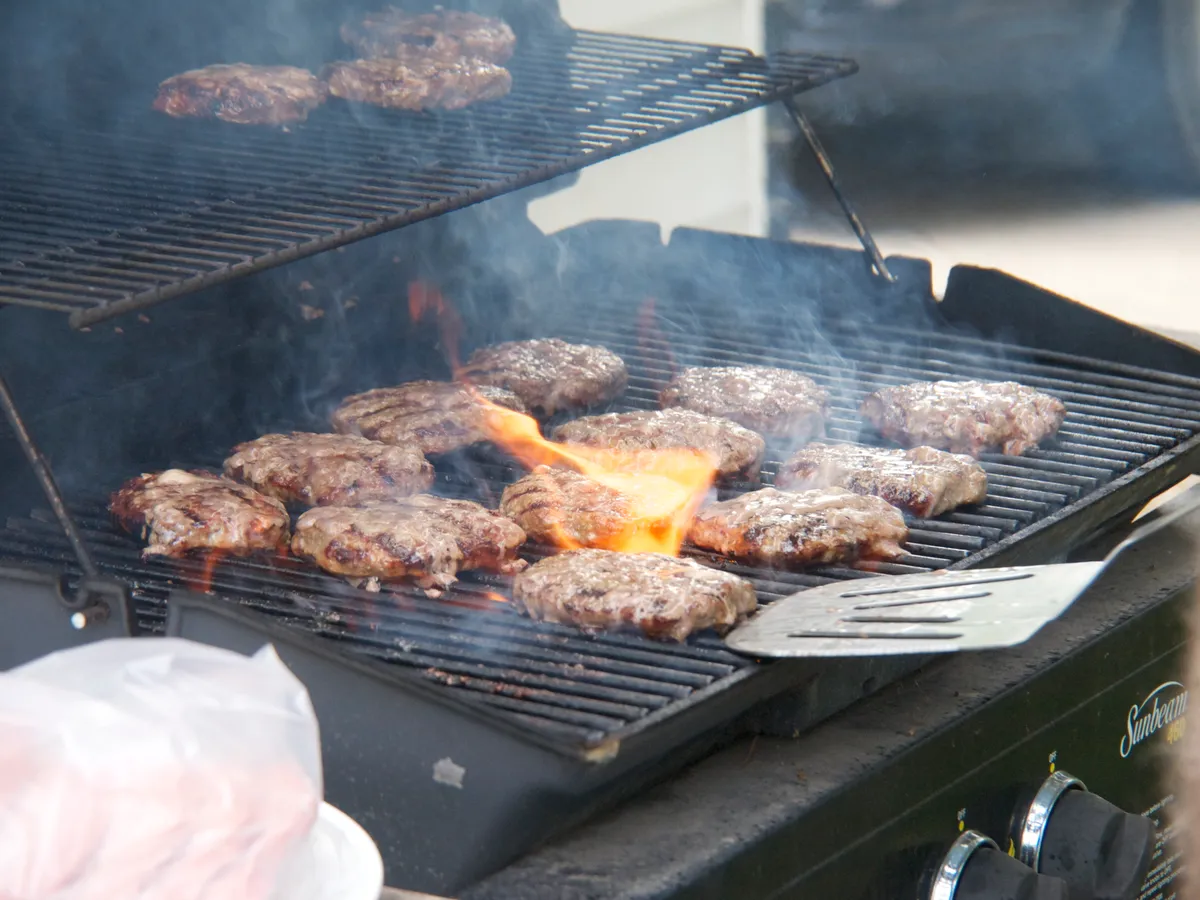
The porcelain-enameled cast iron cooking grates hold heat well and produce clean, dark sear marks, and they're heavy enough that they don't warp with rapid temperature swings — something we did experience with thinner stamped-steel grates on cheaper grills. Cleanup between the enameled grates and the porcelain flavorizer bars was straightforward: a brass-bristle brush on a still-warm grate (10 minutes post-cook) knocked off most residue, and roughly once every two weeks we pulled the flavorizer bars and grease tray for a deeper scrub. The grease management system funnels drippings into a disposable foil catch pan under the cart, which we emptied every 4-6 cooks; it never overflowed even after back-to-back burger nights, though the pan does need remembering — leave it too long and it becomes an unpleasant surprise.
Build quality and the fine print
After fourteen weeks of exposure to spring rain, several 90-plus-degree days, and one hailstorm, the porcelain-enameled lid and cook box show zero rust or finish degradation. The stainless steel burners and control panel likewise look new. The side tables fold down for storage against a wall, which we used twice when garage space was tight, and the hinges held up without loosening. The one area that shows wear is the plastic control knob for the leftmost burner, which developed a slightly looser feel by week 10 — still functional and still clicks through its full range, but noticeably less tight than when new. It's a minor cosmetic/tactile issue, not a functional failure, but it's the kind of small detail that makes you wonder how the knobs will feel in year three or four.
Weber's standard warranty coverage on this model splits by component — typically 10 years on the cook box and lid against rust/burn-through, 5 years on stainless steel burner tubes, and shorter windows on plastic and electronic parts — which is longer and more specific than most non-Weber competitors offer, and matters if you're planning to keep the grill for a decade rather than replacing it every few years.
Comparison: Spirit II E-310 vs. a big-box 3-burner grill
Direct comparisons matter more than spec sheets here. Against the entry-level big-box 3-burner grills we've used previously (typically $250-350), the Spirit II E-310 costs roughly double but delivers on three fronts that actually justify it: (1) more even heat distribution across the grate — we measured less than a 25°F swing from left to right at a fixed setting, versus 75-100°F swings on a cheaper unit with hot and cold spots; (2) meaningfully thicker steel in the cook box and lid, which both retains heat better on windy days and resists warping; and (3) the flavorizer bar flare-up management described above, which is the single biggest quality-of-life difference for anyone who grills fatty cuts regularly. If your budget genuinely tops out below $400, a big-box grill will still cook food — but expect more babysitting, more flare-ups, and a shorter practical lifespan before rust sets in.
Who should buy this grill
The Spirit II E-310 is the right choice for a household that grills at least weekly, wants genuine three-zone temperature control without stepping up to Genesis pricing, and values Weber's build quality and long rust warranty over a rock-bottom price. It's not the right choice if you regularly host large groups of 12 or more and need maximum cooking area in one pass (look at a 4-burner Genesis), or if dedicated low-and-slow barbecue is your primary hobby (a real smoker will out-perform any gas grill there). For the vast majority of backyard cooks — weeknight dinners, weekend cookouts for 6-10 people, the occasional low-and-slow project — it hits a genuinely good balance of price, capability, and durability.
Verdict
After a full season of near-weekly use, the Weber Spirit II E-310 earned its spot as our go-to grill for everything except very large cookouts and true low-and-slow barbecue. The occasional slow-to-light ignition and the loosening control knob keep this from being a flawless score, but the even heat, real flare-up management, and durable build make it an easy recommendation for anyone upgrading from an entry-level grill or replacing a worn-out unit in the same price bracket.
Other products we tested

Ecobee Smart Thermostat Premium Review: Two Months of Real HVAC Testing
We installed the Ecobee Smart Thermostat Premium without a C-wire, tracked its temperature accuracy against a separate thermometer, and measured real energy savings over two months of daily HVAC use.
Bose SoundLink Flex Review: Six Weeks of Hiking, Kayaking, and Beach Days
Six weeks of camping, kayaking, and beach trips show the Bose SoundLink Flex's IP67 rating and PositionIQ orientation sensing are genuinely useful, with honest limits on bass and max volume.

Coros Pace 3 Review: Six Weeks Testing the GPS Watch That Barely Needs Charging
A dual-frequency GPS running watch that trades AMOLED shine for weeks of battery life at a fraction of the price of flagship rivals.