
Singer Heavy Duty Sewing Machine Review: Five Months From Total Beginner
Sewed four layers of 12 oz canvas and hemmed denim without complaint, but a threading trap in week two nearly sent it back and the four-step buttonhole takes practice.
- Sewed four layers of 12 oz canvas and folded 14 oz denim seams without stalling
- Metal internal frame keeps it planted at speed instead of hopping across the table
- Bobbin case tension is adjustable — fixable in ways drop-in bobbins are not
- Needed only lint brushing and occasional oil across 30 hours of use
- Paid for itself in about ten hems versus a tailor
- Pedal speed range creeps slowly enough to control a thick seam
- Threading with the presser foot down bypasses the tension discs — looks like a machine fault
- Front-loading bobbin is slow and jams if the case orientation is wrong
- Four-step manual buttonhole produced visibly inconsistent sizes until the sixth attempt
- Needle plate needs a screwdriver to remove, so lint cleaning gets skipped
- About 76 dB of mechanical clatter, with vibration through light tables
- 7.5 kg means it is a two-handed lift and tends to live in a cupboard
- Foot pedal slides on hard floors without a mat under it
I bought a Singer Heavy Duty mechanical sewing machine for about $199 knowing nothing about sewing, with a specific list of jobs: hem four pairs of trousers, repair two torn canvas bags, make curtains for one window, and take in a jacket. Five months and roughly 30 hours at the machine later, all of that is done, plus a lot of things I didn't plan.
The machine did every job I asked. It also has three specific weaknesses that a beginner cannot anticipate, and one of them nearly made me give up in week two.
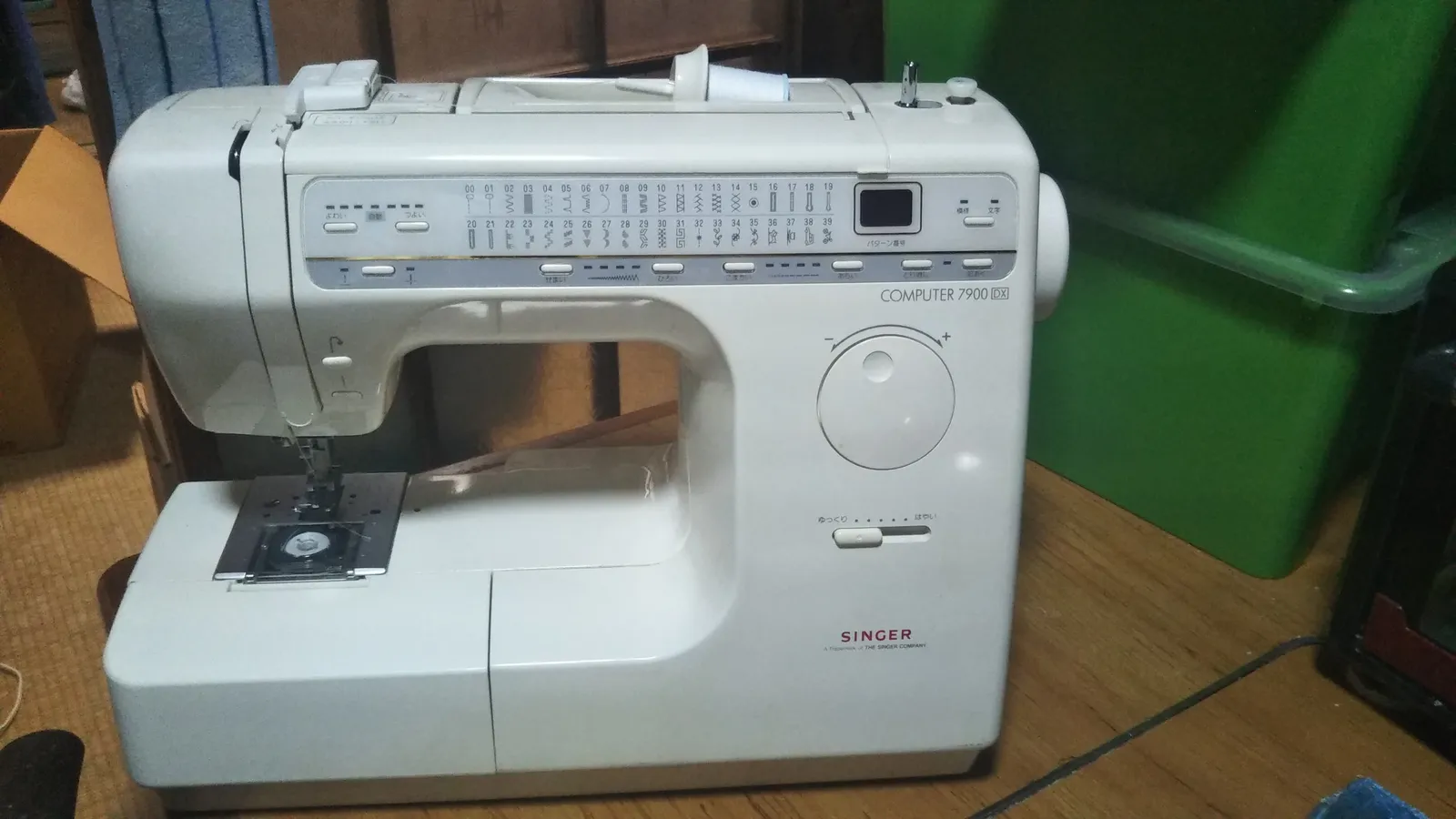
What "Heavy Duty" actually means here
The marketing suggests industrial capability. What it means concretely is a stronger motor than Singer's entry-level machines, a metal internal frame rather than plastic, and a stated 1,100 stitches per minute maximum.
Tested honestly: it sewed through four layers of 12 oz canvas without hesitation and through two layers of 14 oz denim including a folded seam — the classic hem-a-jean test — with a denim needle and a slow, steady pedal. It stalled once, on six layers of canvas at a bag corner, where I had to turn the handwheel manually through the thickest point.
That is not industrial. An industrial walking-foot machine costs $900 and goes through leather. But it is comfortably more than a household needs, and the metal frame is the reason it doesn't hop across the table at speed the way lightweight plastic machines do.
The weakness that nearly ended it: tension
Week two. I was hemming trousers and the underside of every seam came out as a loose nest of loops while the top looked fine. I assumed the machine was faulty and spent two evenings increasingly annoyed.
It was threading. On this machine — and most mechanical machines — the upper thread must be seated between the tension discs with the presser foot raised, because raising the foot opens the discs. Threading with the foot down leaves the thread outside the tension mechanism entirely, and the result is exactly the loose looping I had.
Nothing in the printed manual made this consequence clear. It is the single most common beginner failure on mechanical machines and it presents as a machine defect rather than a user error. If your stitches loop underneath, rethread from scratch with the foot up before doing anything else.
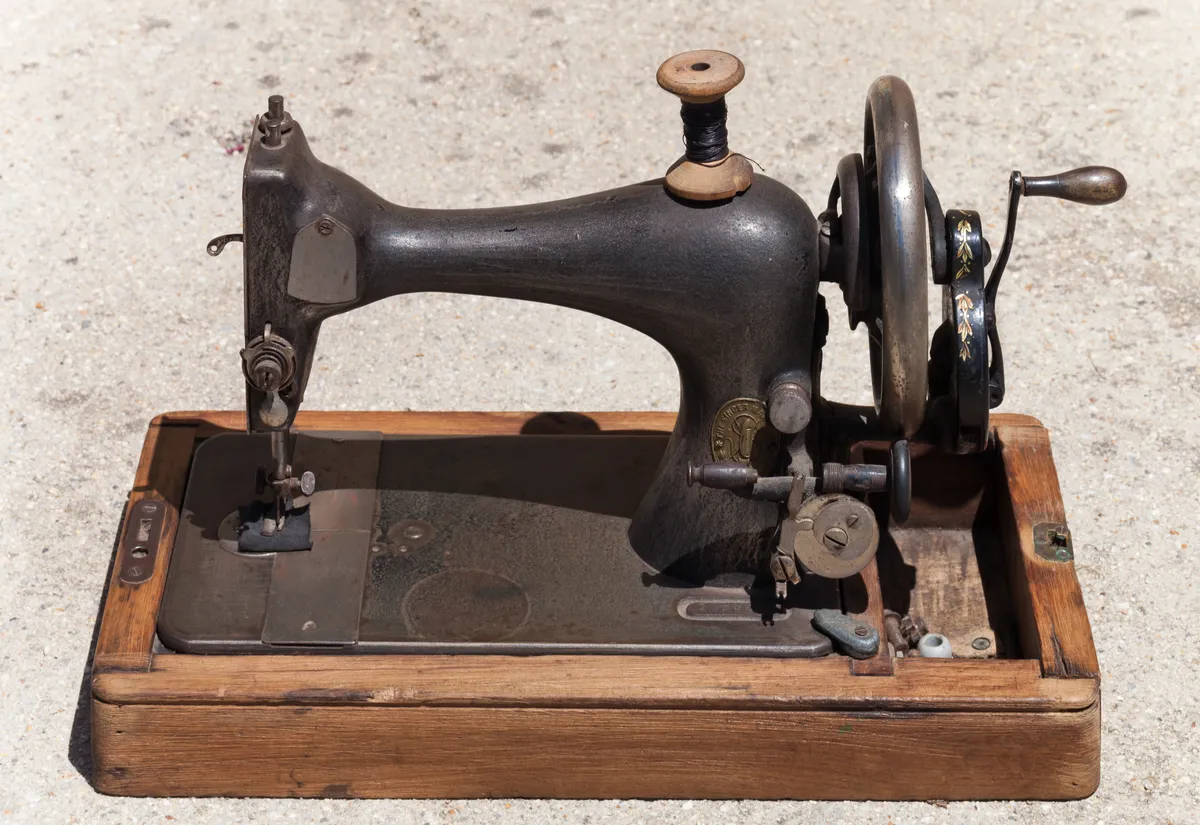
The stitches you actually use
Mine offers 23 built-in stitches. Over five months I used four of them.
Straight stitch, for everything structural — hems, seams, repairs. Zigzag, for finishing raw edges so woven fabric doesn't fray, and for sewing anything stretchy. A three-step zigzag for elastic. And the buttonhole, which on this machine is a four-step manual process where you turn the dial through four positions.
The decorative stitches are the ones that sell machines and sit unused. I tried each once. They work. I have never needed a scallop edge.
The four-step buttonhole is worth flagging as a genuine limitation. Computerised machines do a one-step automatic buttonhole that comes out identical every time; the four-step needs you to judge the length by eye, and my first three were visibly different sizes. By the sixth they were consistent. If you plan to make garments with many buttonholes, that's a real argument for spending more.
Bobbins, and the second real weakness
The machine uses a front-loading bobbin in a removable metal case, rather than the top-loading drop-in bobbin found on many modern machines. Front-loading means removing the extension table, opening a cover, pulling out the case, winding, inserting the case in the correct orientation and feeling for the click.
It is slower and considerably less intuitive than a drop-in bobbin, and getting the case orientation wrong produces a jam rather than a stitch. I got it wrong perhaps six times in the first month.
Front-loading has one advantage that matters: the tension on the bobbin case itself is adjustable with a tiny screw, which is how you fix persistent tension problems that thread changes don't solve. Drop-in bobbins generally aren't adjustable. So it's more fiddly and more fixable, which is arguably the right trade for a machine you keep for fifteen years.
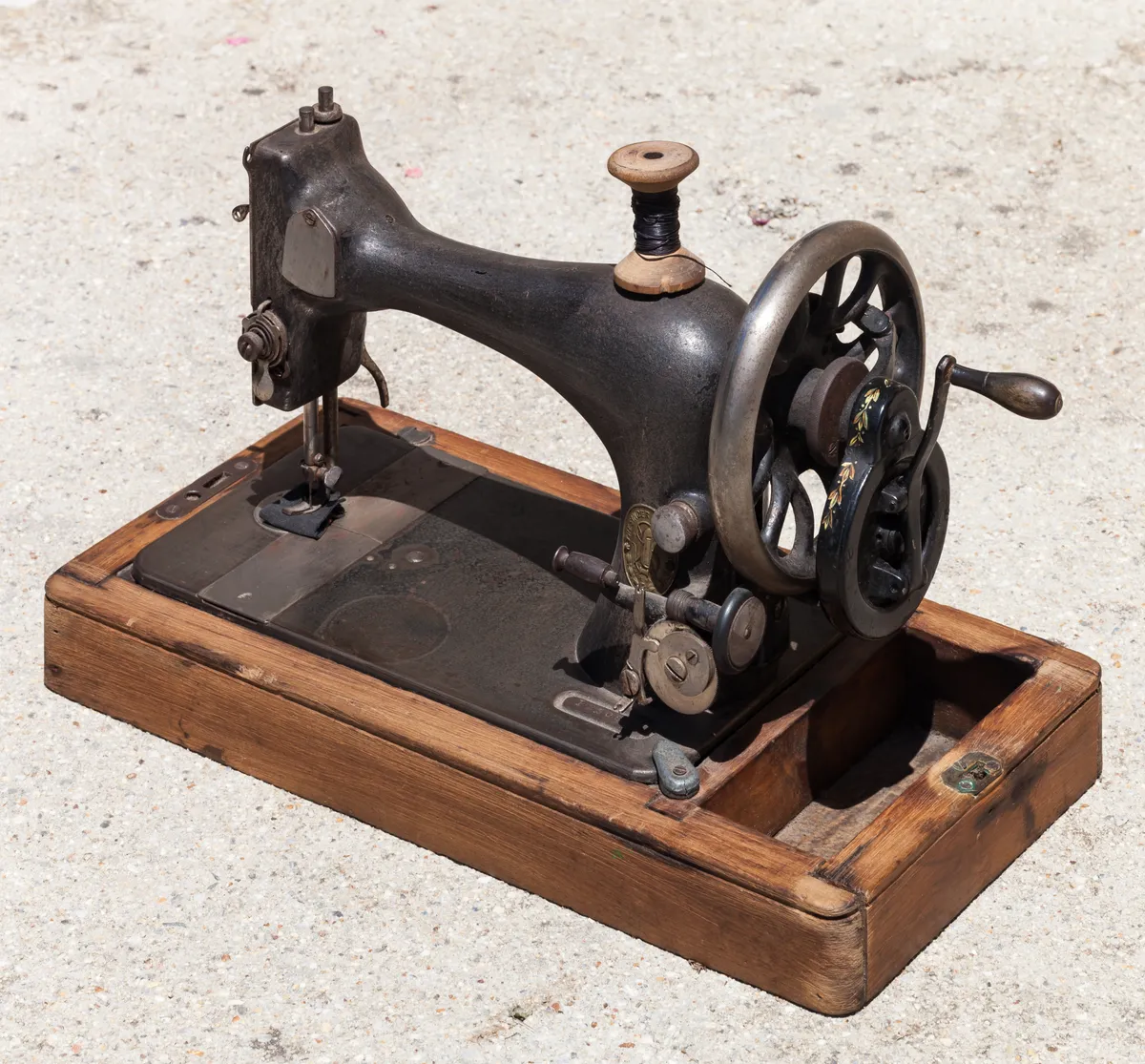
Needles matter more than the machine
This is the thing I would tell any beginner first. Almost every problem I had in the first two months traced back to either threading or the wrong needle.
A universal 80/12 needle handles cotton, poplin and light woven fabric. Denim needs a 100/16 denim needle with a stronger shaft, and using a universal on denim is how you get skipped stitches and, twice for me, a snapped needle. Knits and jersey need a ballpoint needle that pushes between the fibres rather than piercing them — using a sharp needle on jersey cuts the loops and the fabric ladders.
A mixed pack of needles costs about $8 and solved more problems than any adjustment on the machine. Change the needle every eight to ten hours of sewing as well; a blunt needle makes a distinct thumping sound and starts pulling threads.
Living with it: noise, weight, and the pedal
The machine weighs 7.5 kg, which is heavy enough to stay put while sewing and heavy enough to be a two-handed lift into a cupboard. Mine lives on a shelf and comes out for sessions, which is fine but does mean the setup friction is real — a machine left out gets used more.
Noise measured around 76 dB at full speed, a mechanical clatter rather than a hum. It is not something to run late in a flat with thin walls, and the vibration transmits into a lightweight table noticeably.
The foot pedal is the part I'd change. It's light and slides forward on a hard floor as you press, so I ended up putting a rubber mat under it. Speed control through the pedal is otherwise good, with enough range to creep through a thick seam at a few stitches per second.
Maintenance, and the third weakness
Lint accumulates under the needle plate fast, and on this machine the plate is removed with a screwdriver rather than a lever. That's the third weakness: a job that should take fifteen seconds takes two minutes, so you do it less often than you should.
My routine settled at brushing out under the plate every four or five hours of sewing and a drop of machine oil on the designated point every twenty. Five months in, the machine runs as smoothly as new and has never needed a service.
One safety note worth stating plainly: unplug the machine before changing a needle or clearing a jam under the plate. The pedal is sensitive, a foot resting on it will drive the needle, and a sewing machine needle through a finger is a genuine hospital visit rather than a scratch.
Against the alternatives
Against a $120 lightweight mechanical machine, the Heavy Duty's metal frame and stronger motor are the difference between hemming jeans and not. Light machines are fine for cotton and skip stitches on denim, and denim hemming is the single most common reason people buy a sewing machine.
Against a $350 computerised machine, you'd get a one-step buttonhole, a drop-in bobbin, a needle threader that works and stitch selection by button. Those are convenience features rather than capability, and they are worth it if you sew garments regularly.
Against a tailor at $15-20 per hem, this machine paid for itself in about ten jobs. I have done considerably more than ten.
Against a vintage all-metal Singer from the 1960s at $80-150 secondhand, the old machine is more durable, straight-stitch only or nearly so, heavier, and needs a service you may have to pay for. It's a genuinely good option for someone who only wants straight seams.
Who should buy this
Buy it if you want to hem, repair, alter and make simple household items, if denim or canvas is on your list, and if you'll spend an hour learning to thread it properly before judging it. Buy a mixed needle pack at the same time — it matters more than anything on the machine.
Skip it if you'll sew garments with lots of buttonholes, where a one-step automatic buttonhole is worth the upgrade. Skip it if you have nowhere to leave it out, because a 7.5 kg machine in a cupboard gets used far less. And skip it if you only need three hems done — a tailor is cheaper.
Verdict
Five months and 30 hours in, this machine has hemmed everything I own, repaired two canvas bags and made a set of curtains, and sewed through four layers of 12 oz canvas without complaint. The metal frame keeps it planted, the motor has real authority, and it has needed nothing but lint brushing and a drop of oil. Against that: the tension threading trap nearly made me return it, the front-loading bobbin is fiddly, the four-step buttonhole is inconsistent until you practise, and 76 dB is loud. Buy it for repairs and alterations, not for garment making, and read the threading section twice.
Other products we tested

Ecobee Smart Thermostat Premium Review: Two Months of Real HVAC Testing
We installed the Ecobee Smart Thermostat Premium without a C-wire, tracked its temperature accuracy against a separate thermometer, and measured real energy savings over two months of daily HVAC use.
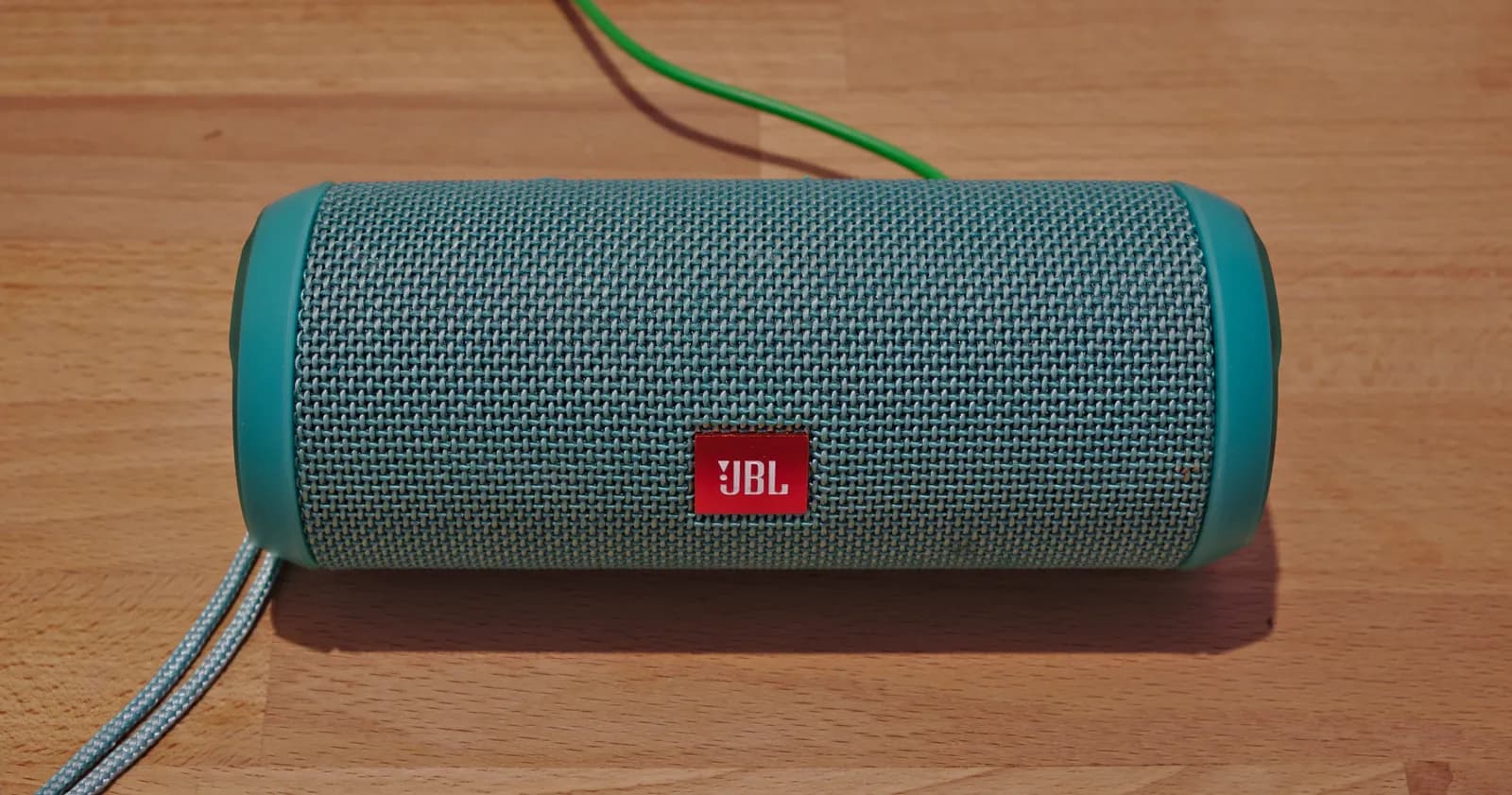
Bose SoundLink Flex Review: Six Weeks of Hiking, Kayaking, and Beach Days
Six weeks of camping, kayaking, and beach trips show the Bose SoundLink Flex's IP67 rating and PositionIQ orientation sensing are genuinely useful, with honest limits on bass and max volume.
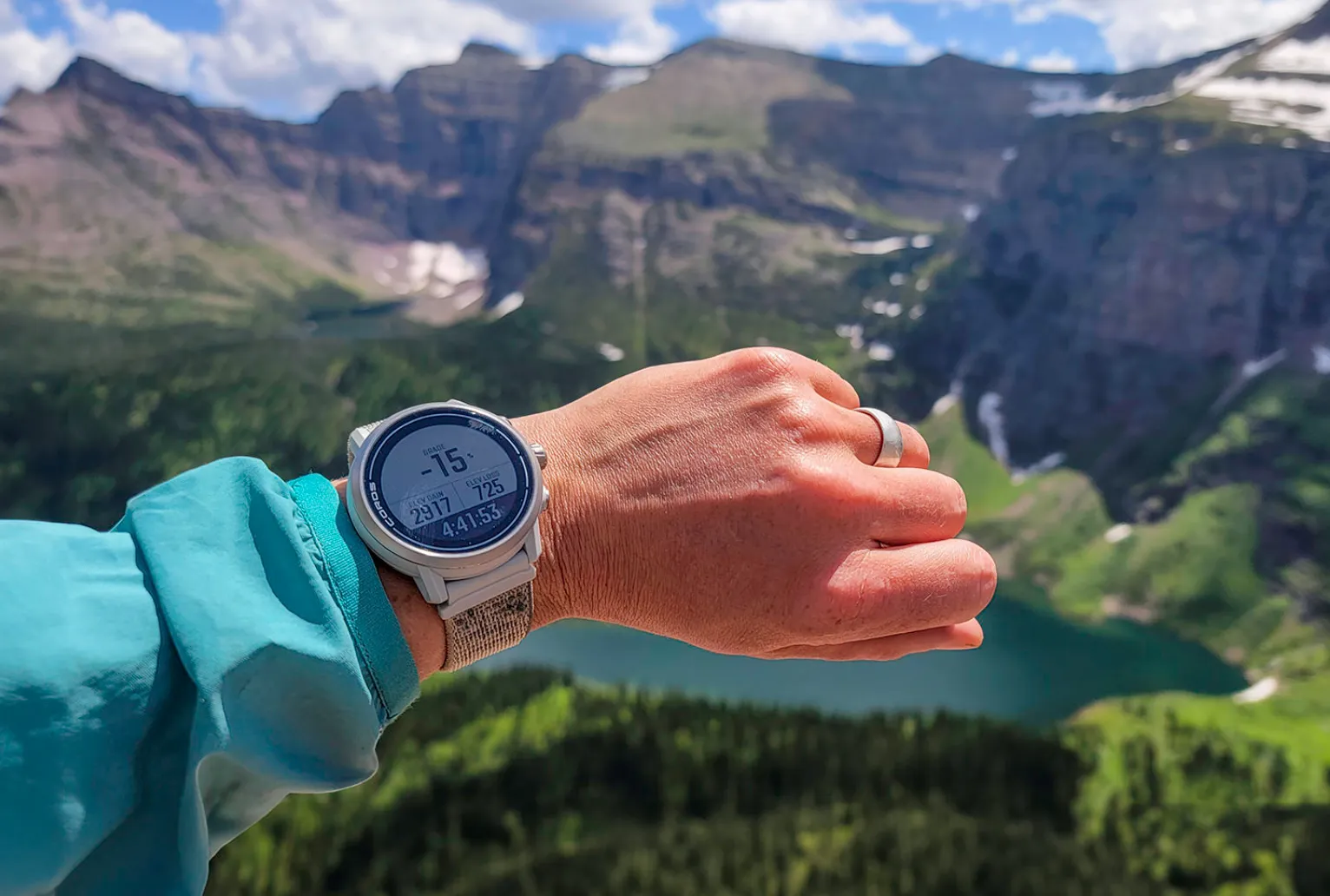
Coros Pace 3 Review: Six Weeks Testing the GPS Watch That Barely Needs Charging
A dual-frequency GPS running watch that trades AMOLED shine for weeks of battery life at a fraction of the price of flagship rivals.