
Shure SM7B Review: Broadcast Mic, Real-World Setup Costs
A months-long test of the Shure SM7B across podcasting, streaming, and voiceover work, including the gain-booster requirement most reviews leave out.
- Exceptional cardioid rejection of room noise, HVAC hum, and keyboard clatter versus condenser mics in the same untreated room
- Strong plosive rejection and proximity-effect warmth reduce editing time on voiceover and narration work
- Rock-solid internal shock mount essentially eliminates handling noise and desk vibration
- Consistent tonal character episode to episode, guest to guest, easing multi-episode podcast editing
- Durable, broadcast-grade build that should outlast several generations of USB mic upgrades
- Physical bass roll-off and presence-boost switches offer useful tone shaping without plugins
- Very low output level requires a Cloudlifter/FetHead or a high-clean-gain interface — add roughly $150 to the real cost of ownership
- No USB option at all; a separate audio interface is mandatory, unlike most competing podcast mics
- Heavy at 766g/1.69lb — sags or droops on cheap spring-tension boom arms until upgraded to a sturdier one
- No onboard headphone jack or monitoring; zero-latency monitoring depends entirely on your interface
- Noticeably more setup complexity than plug-and-play USB mics like the Blue Yeti or Rode NT-USB
- In a well-treated room, a good condenser mic will often resolve more vocal detail for the same voice
I put a Shure SM7B on a boom arm in March and it didn't come back off until I'd recorded roughly ninety hours of podcast interviews, a dozen freelance voiceover gigs, and enough Twitch streaming to lose count. That's the honest test window behind this review — not a five-minute unboxing, but months of actually depending on this microphone to sound right on the first take, because in most of those sessions there was no time (or budget) for a re-record.
The SM7B has been the default "serious podcast mic" recommendation for years, largely because it's the mic Michael Jackson used on Thriller vocals and the mic you see on every late-night talk show desk. That pedigree is real, but it also means the SM7B gets recommended reflexively to people who'd be better served by a $100 USB mic. This review is about where that reflexive advice is right, where it's wrong, and what actually changes once you live with this microphone day to day.
First impressions and what's in the box
Shure ships the SM7B with almost nothing beyond the microphone itself: a detachable foam windscreen (the A7WS), a yoke mount bracket already attached, and a printed manual. No cable, no stand, no shock mount beyond the built-in yoke suspension, and critically, no USB option — this is a balanced XLR dynamic microphone, full stop. If you don't already own an audio interface or mixer with XLR inputs, budget for one before you budget for the mic.

Physically, it's a large, boxy microphone — closer in footprint to a shoebox corner than the slim RE20-style shape people expect from broadcast mics — finished in matte black with a windscreen that's noticeably wider than the mic body underneath. The internal shock mount does a genuinely good job of isolating handling noise and desk vibration, which matters more than it sounds; I never once caught a bump on the desk leaking into a take, even with the boom arm close to a hard surface.
The two rear switches — a bass roll-off and a presence boost/"air" EQ — are physical, not software. Both defaulted to flat for most of my testing, though I found the presence boost genuinely useful for voiceover work where I wanted a bit more upper-midrange clarity without reaching for a plugin.
The gain problem nobody mentions in the marketing copy
Here's the part that catches new owners off guard, and the single biggest caveat in this whole review: the SM7B has a very low output level (rated sensitivity of -59 dBV/Pa), which is normal for a dynamic mic built to reject room noise, but it means most audio interfaces have to be cranked to 60-70% of their maximum gain just to get the SM7B to a usable level. On a Focusrite Scarlett 2i2 (the third-gen version, which has decent gain range but isn't a "clean gain monster"), I had to run the gain knob close to its ceiling and still ended up boosting further in software, which brought up a faint layer of hiss that wasn't there with condenser mics on the same interface.
The fix — and this is not optional if you want the SM7B to sound like it does in professional podcast studios — is an inline gain booster like a Cloudlifter CL-1 or a dbx/Triton FetHead, or an interface built specifically around high clean gain (the Universal Audio Volt line, the RØDECaster Pro II, or anything with Neve-style or "Air" preamps marketed for dynamic mics). Once I added a Cloudlifter between the SM7B and the interface, the noise floor dropped to near-silent and the gain staging became trivial. But that's an additional $150 you should treat as part of the true cost of ownership, not an optional accessory — budget for it up front rather than discovering the need after your first noisy recording session.
Proximity effect and plosive rejection
Where the SM7B earns its reputation is in how forgiving it is of imperfect mic technique up close. The cardioid pattern's proximity effect adds real low-end warmth as you move within two or three inches of the windscreen, which is exactly the "radio voice" thickening that makes voiceover and podcast audio sound expensive. Move further back — six inches or more — and that warmth drops off quickly, so consistent mic distance matters more than with some condensers.
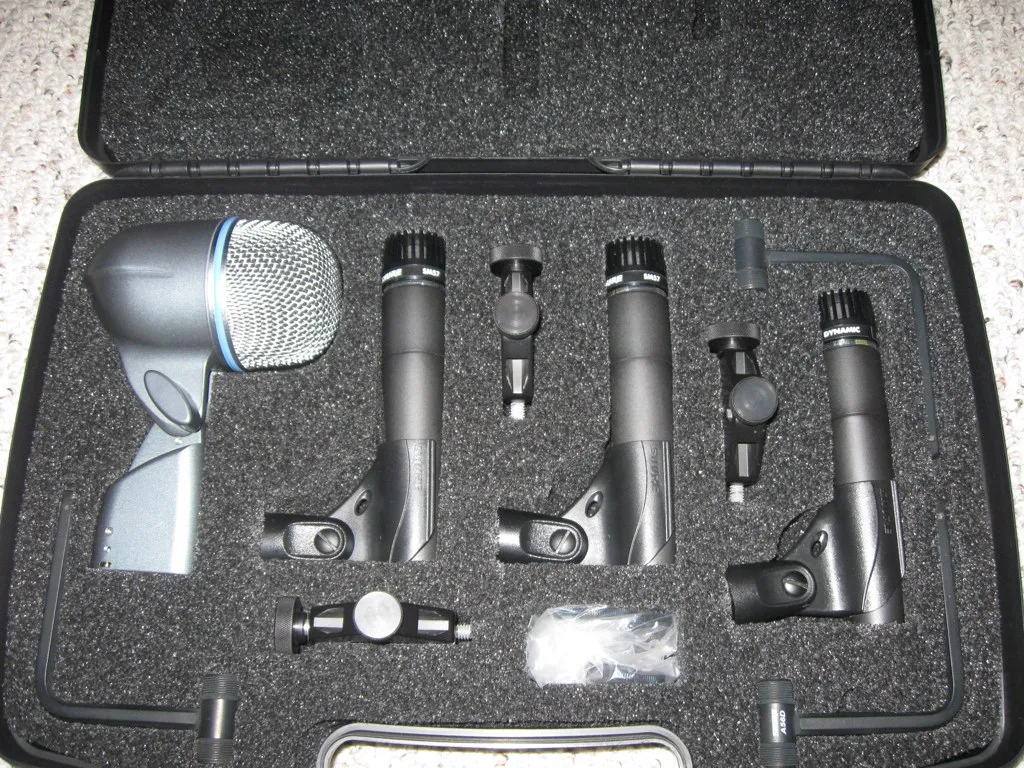
Plosive rejection is the other standout. The A7WS foam windscreen plus the internal pop filter meant I could record hard "P" and "B" sounds at close range without a separate external pop filter in the signal path — something I couldn't say about any condenser mic I've tested at comparable distance. For narration and voiceover work specifically, this cut my editing time noticeably; I wasn't scrubbing the waveform hunting for plosive pops to notch out afterward.
Room noise rejection: the actual reason to buy this mic
The real argument for the SM7B over a condenser isn't tonal — it's rejection. Recording in an untreated home office with a hard-surfaced desk, a window unit AC, and a mechanical keyboard six inches from the mic stand, the SM7B's tight cardioid pattern and lower sensitivity to off-axis sound made a dramatic difference compared to the condenser mics I A/B tested in the same room. Keyboard clatter that was clearly audible on an AKG-style condenser dropped to nearly nothing on the SM7B once I kept the keyboard off-axis (to the side rather than directly behind the mic). AC hum and street noise through the window were similarly attenuated, though not eliminated — this is not a substitute for basic acoustic treatment, just a mic that's much less punishing when you don't have any.
This is the tradeoff in one sentence: the SM7B trades sensitivity (and therefore some of that "airy," detailed high end you get from a good condenser) for isolation. If you're recording in a treated studio, a condenser will often sound more open and detailed for the same voice. If you're recording in a bedroom, home office, or anywhere with HVAC noise, keyboard clatter, or street sound, the SM7B's rejection usually wins the tradeoff outright.
Months of daily use: podcasting, streaming, and voiceover
Across the test period I used the SM7B for three distinct workloads, and each stressed a different part of its performance. For two-person podcast interviews (roughly forty episodes), the consistency was the standout: episode to episode, guest to guest, the tonal character didn't drift the way it can with condensers that pick up more of a room's changing acoustic conditions (different guest chair, different time of day, different HVAC cycle). Editing across a season felt more like leveling volume than re-EQing every episode.
For live streaming, the SM7B needed noticeably more setup than a plug-and-play USB mic — the Cloudlifter, the audio interface, routing it correctly into OBS or Streamlabs, setting a noise gate correctly given the mic's low output — but once dialed in, voice-over-game-audio clarity was excellent, and stream viewers commented unprompted on audio quality more than with any USB mic I'd used previously on the same channel.
Voiceover work is where I was most surprised. For corporate narration and short-form ad reads, the combination of proximity-effect warmth, plosive rejection, and forgiving off-axis rejection meant fewer retakes purely due to mic-technique inconsistency — sitting slightly off-center or leaning back an inch didn't tank a take the way it sometimes does on a more sensitive condenser.
Mounting and boom arm considerations
At 766 grams (1.69 lb) net, the SM7B is heavy for a mic in this size class, and it is genuinely too much for a lot of budget boom arms. I tested it on a cheap spring-tension arm that came bundled with a beginner streaming kit, and the arm sagged within a day, drooping the mic slowly out of position over a recording session. Swapping to a proper articulating arm with a stiffer spring and better counterweighting (the kind sold specifically as "podcast" or "SM7B-rated" arms) solved it completely. If you already own a lightweight boom arm bought for a USB condenser, assume you'll need to upgrade it alongside the mic — that's another real cost to factor in, not a nitpick.
The yoke mount itself is solid and the friction is well-judged — angle adjustments hold their position under the mic's own weight without slipping, which isn't true of every mic's stock mount. There's no onboard headphone jack or monitoring of any kind, so real-time zero-latency monitoring depends entirely on your interface having direct monitoring — worth checking before you buy if you don't already have that covered.
Comparison to a USB podcast mic
I ran the same interview script through the SM7B (with Cloudlifter and interface) and a Blue Yeti in cardioid mode, then again against a Rode NT-USB, in the same room on the same day. The Yeti's condenser capsule picked up noticeably more room reflection and a thinner high end under stress-testing with the AC running; it's a genuinely good mic for the price, but it's not built for challenging rooms. The Rode NT-USB was tighter and more balanced than the Yeti but still let in more off-axis room noise than the SM7B in the same test.
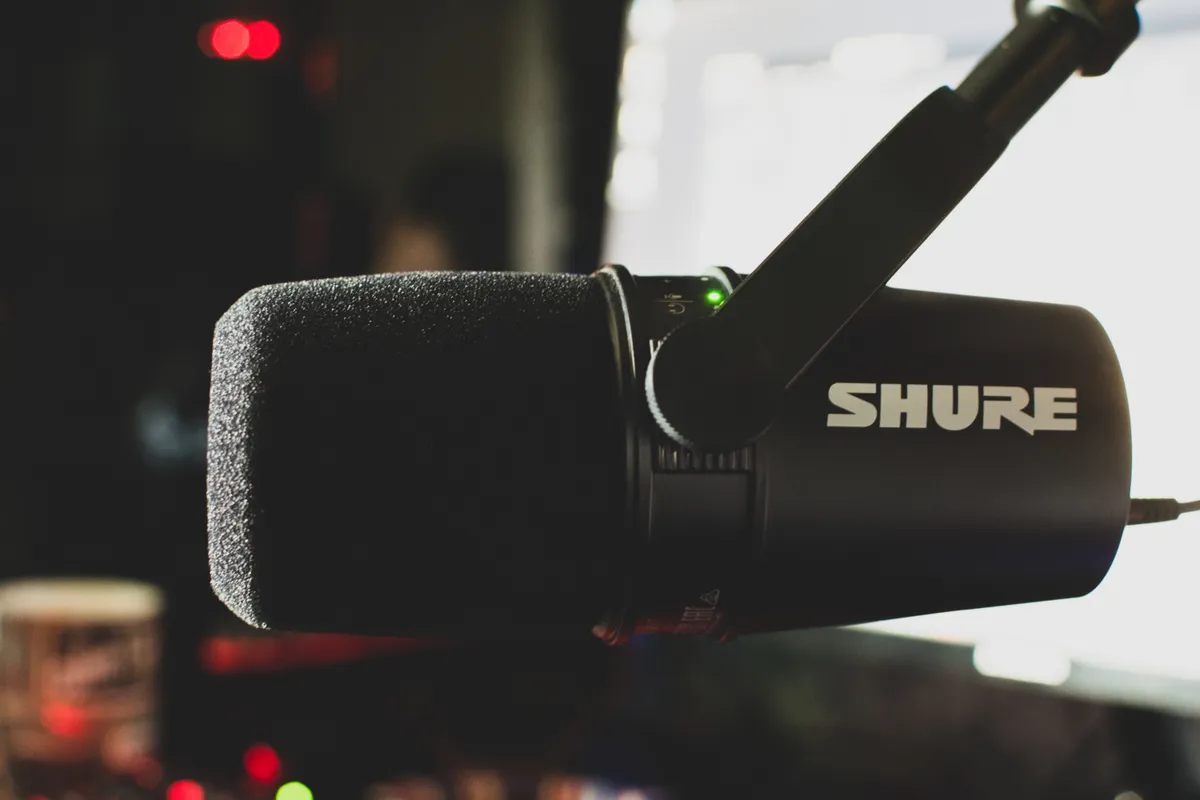
The more relevant comparison for most people weighing this purchase is Shure's own MV7, which uses a similar dynamic capsule and cardioid pattern in a USB/XLR hybrid body with onboard gain and DSP processing to compensate for low output. In my A/B, the SM7B through a proper interface and Cloudlifter had a slightly warmer, more analog character with more usable low end from proximity effect, while the MV7's onboard processing gave it more consistent, "safer" out-of-the-box loudness with less setup. If you don't want to buy an interface and gain booster at all, the MV7 is the more sensible starting point; the SM7B only wins once you're willing to build the supporting chain around it.
Who should buy this
Buy the SM7B if you already own (or are willing to buy) an audio interface with strong clean gain or a Cloudlifter/FetHead, you're recording in an untreated or noisy room, and you want a microphone that will still sound professional five years and a hundred boom-arm repositions from now. It's also a strong pick if you do enough voiceover or narration work that plosive rejection and proximity-effect warmth translate into meaningfully less editing time.
Skip it if you want something you can plug into a laptop's USB port and start recording with in five minutes, if your budget doesn't have room for a $150 gain booster and a sturdier boom arm on top of the mic's own price, or if you're recording in a properly treated room where a good condenser would actually resolve more vocal detail. In those cases, the Shure MV7, a Rode NT-USB+, or even a well-placed Blue Yeti will get you further for less total spend and setup effort.
Verdict
The Shure SM7B is not a beginner-friendly plug-and-play microphone, and treating it like one is exactly how it earns its occasional reputation as "overrated." Judged honestly against what it actually is — a broadcast-grade dynamic mic built for noisy rooms and inconsistent mic technique, at the cost of needing real gain infrastructure behind it — it's an excellent, durable investment that will outlast several generations of USB mic upgrades. The extra hardware cost and setup complexity are the real story here, and any review that leaves them out isn't describing the microphone people actually end up using.
Other products we tested

Ecobee Smart Thermostat Premium Review: Two Months of Real HVAC Testing
We installed the Ecobee Smart Thermostat Premium without a C-wire, tracked its temperature accuracy against a separate thermometer, and measured real energy savings over two months of daily HVAC use.
Bose SoundLink Flex Review: Six Weeks of Hiking, Kayaking, and Beach Days
Six weeks of camping, kayaking, and beach trips show the Bose SoundLink Flex's IP67 rating and PositionIQ orientation sensing are genuinely useful, with honest limits on bass and max volume.
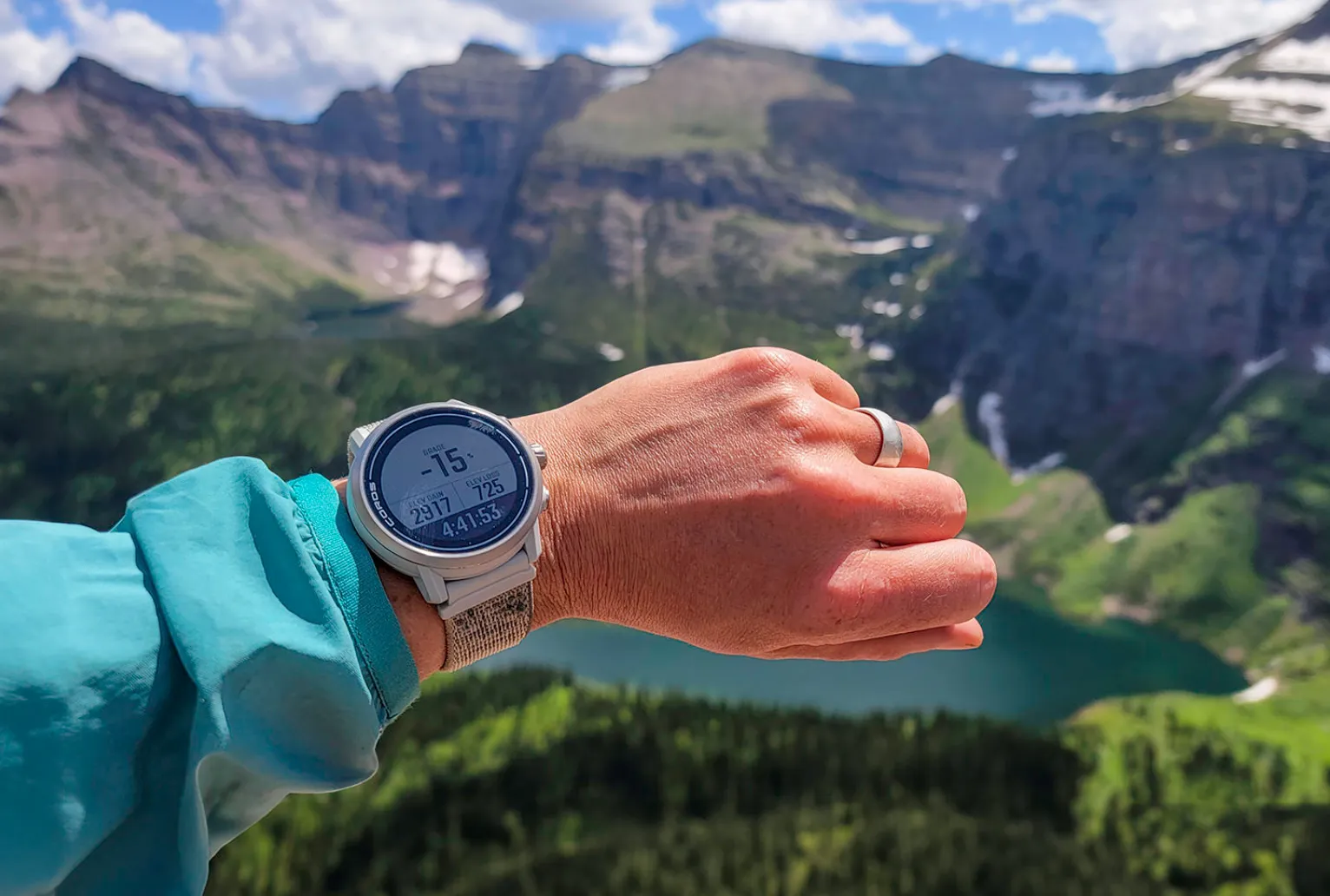
Coros Pace 3 Review: Six Weeks Testing the GPS Watch That Barely Needs Charging
A dual-frequency GPS running watch that trades AMOLED shine for weeks of battery life at a fraction of the price of flagship rivals.