
Rubik's Speed Cube Review: Eleven Weeks Against a Cheaper Magnetic Rival
A real upgrade on the stickered original and still 13% slower in our own solve averages than a $10 magnetic speedcube — but it survives drops the speedcube doesn't.
- Corner-cuts about 30 degrees — no lock-ups compared with the classic stickered cube
- Stickerless moulded plastic looks unchanged after several hundred solves
- Never popped a piece across a dozen drops onto tile and use by two children
- Available in ordinary shops worldwide, unlike specialist speedcubes
- Hardware does not limit a beginner at all for the first month of learning
- Averaged 68 s versus 59 s on a $10 magnetic cube over matched sets of solves
- 96 g against 68 g for the magnetic comparison cube
- No tension adjustment — the feel it ships with is permanent
- Noticeably louder plasticky turning than a magnetic cube
- Stiff and over-lubricated for the first fifty solves
- Not worth modifying: magnets plus a kit costs more than a better cube
I bought an official Rubik's 3x3 Speed Cube for $13 with a specific question in mind: is the brand-name cube actually good, or is it a nostalgic object that a $10 speedcube from a Chinese manufacturer beats outright? I spent eleven weeks solving it — several hundred solves, learning the beginner method and then most of CFOP's first two layers — alongside a borrowed budget speedcube for direct comparison.
The finding is uncomfortable for the brand: the official cube is a genuine improvement on the terrible ones most adults remember from childhood, and it is still noticeably worse than cubes costing the same or less. Where it wins is somewhere else entirely.
What "Speed Cube" actually means here
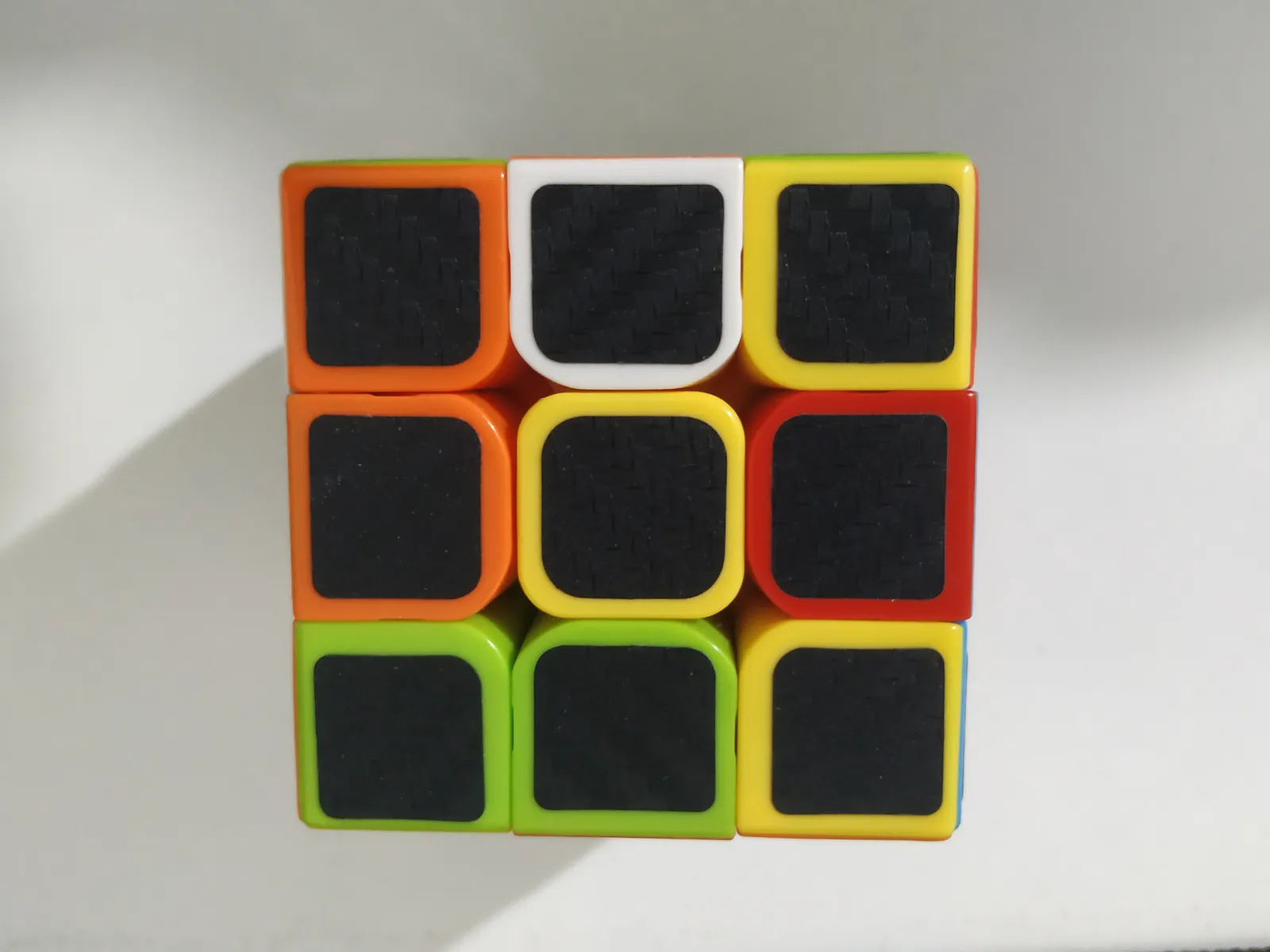
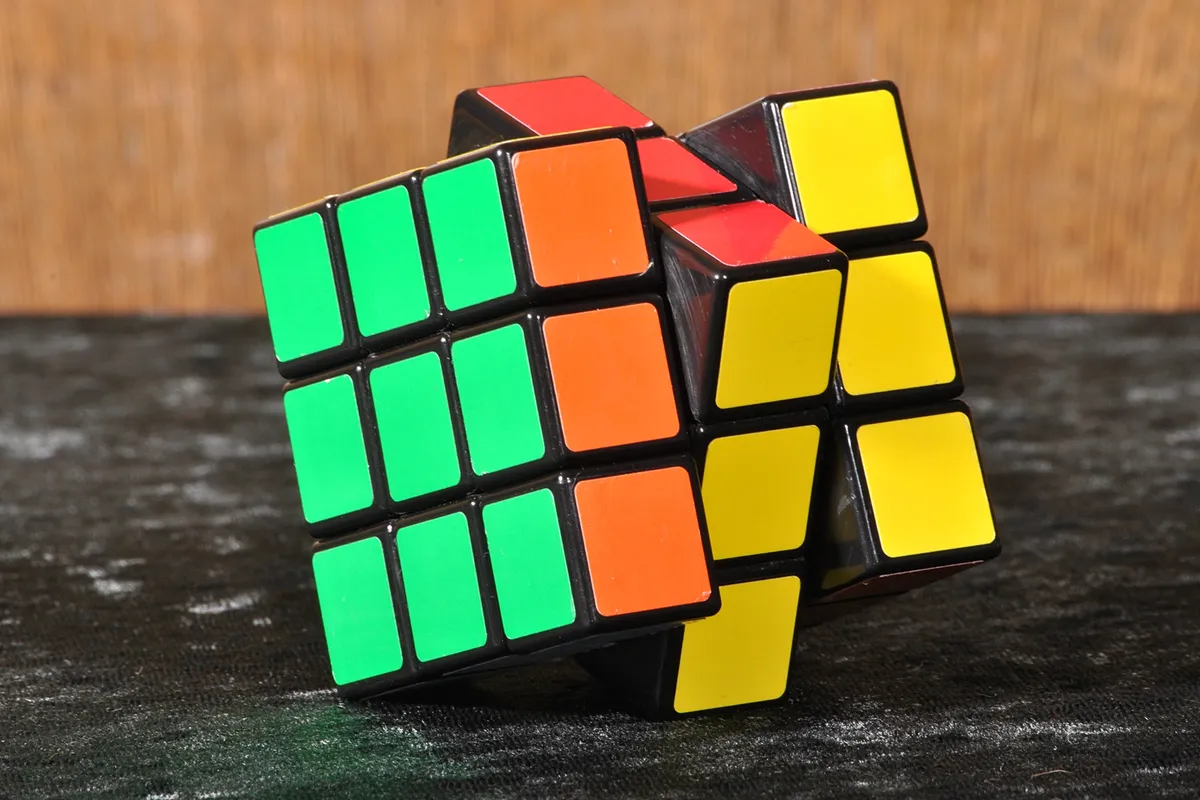
The official Speed Cube differs from the classic Rubik's cube in three ways: it uses stickerless coloured plastic instead of stickers, it has a tensioned spring mechanism with rounded internal corners that allow the layers to turn without being perfectly aligned, and it is factory lubricated.
All three matter. The classic stickered cube I grew up with locked up constantly — turn a face a few degrees off and the next turn simply refused. This one corner-cuts about 30 degrees in my testing, meaning you can start the next turn well before the previous one finishes. That single property is the difference between a puzzle that fights you and one that doesn't.
Stickerless is the other real upgrade. Stickers on the old cubes peeled, curled at the corners and eventually got swapped by frustrated children. Eleven weeks and several hundred solves in, this cube's colours are moulded plastic and look exactly as they did on day one.
Against a budget speedcube
The borrowed comparison cube — a mainstream budget model from a dedicated cube manufacturer, about $10 — is better in ways that become obvious within an hour.
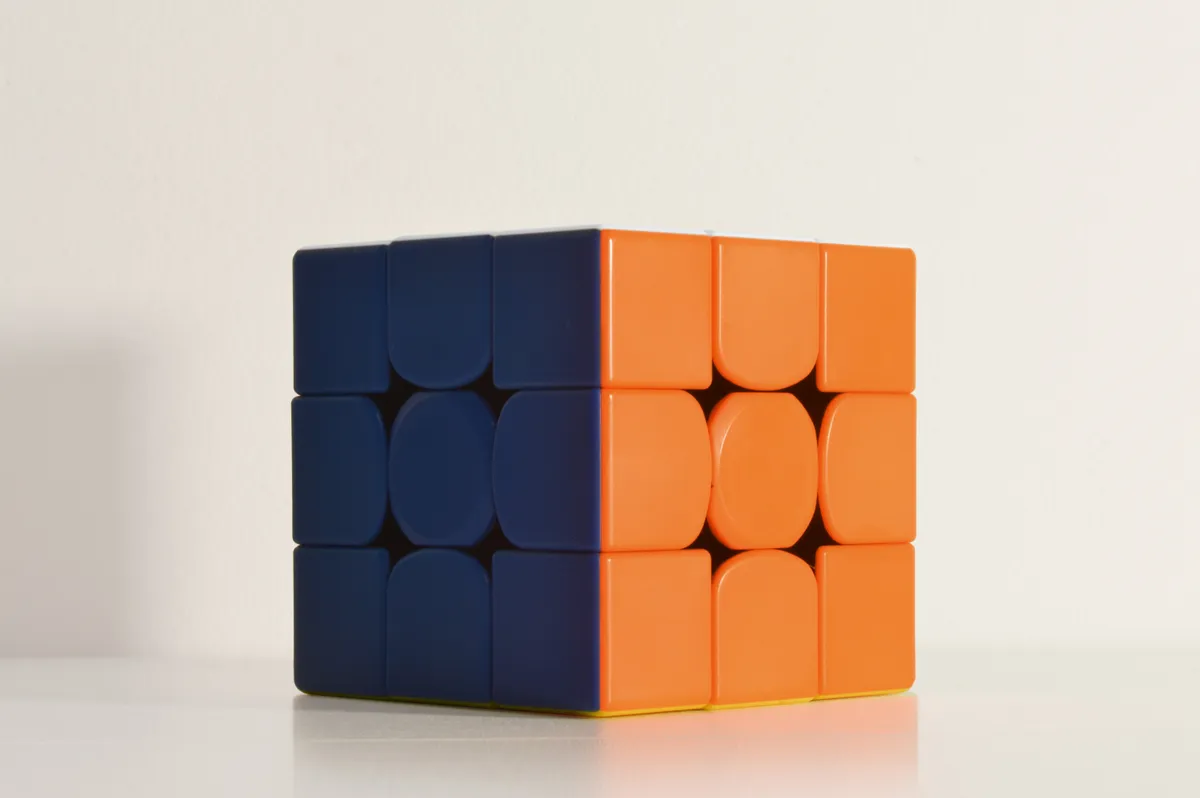
It corner-cuts further, roughly 45 degrees plus reverse cutting. It has adjustable tension and magnets in the corner pieces that snap each layer into alignment, which reduces overshooting dramatically. It is noticeably lighter, at 68 g against the Rubik's 96 g on my scale. And it is quieter: the official cube makes a distinct plasticky clack that the magnetic cube replaces with a muted click.
My average solve time reflected it. Using the same beginner method at the same stage of learning, I averaged around 68 seconds on the official cube and around 59 on the magnetic one over sets of twenty solves. That's a 13% difference from hardware alone, and it is entirely down to fewer lock-ups and less realignment.
Where the official cube wins
Two places, and both are real.
First, it is available everywhere. A supermarket, an airport, a toy shop in any country — this cube is stocked and a magnetic speedcube is not. If you want a cube today, or as a gift, or as something to hand a bored child on a long journey, availability beats specification.
Second, it holds up to abuse. Over eleven weeks mine was dropped onto tile at least a dozen times, went in a bag with keys, and was handled by two children. It has never popped a piece. The budget speedcube, tensioned looser for speed, popped a corner piece twice — once from a drop and once mid-solve during a fast turn. Popping is trivially fixable and genuinely infuriating.
The official cube's tighter mechanism and heavier plastic make it the more robust object, and for a cube living in a bag rather than on a desk, that matters more than corner-cutting.
Eleven weeks of learning on it
Worth reporting because it's what most buyers actually want to know. Starting from a scrambled cube and no method, the beginner layer-by-layer approach took me about four hours across three evenings to learn from a printed algorithm sheet, and I could solve reliably by the end of week one at around 2-3 minutes.
By week four, with practice, I was at roughly 90 seconds. By week eleven, having learned intuitive F2L for the first two layers, I was averaging 68 seconds with a best of 51. That progression is entirely typical and none of it was limited by the cube until around the 90-second mark, where lock-ups started costing me real time.
The practical conclusion: for the first month, the hardware genuinely does not matter. Below about 90 seconds it starts to. Below 60 seconds it matters a lot.
The turning feel, honestly described
Out of the box the cube was slightly stiff and over-lubricated, with a faint gritty resistance for the first fifty or so solves. It loosened into something smooth and predictable and has stayed there.
There is no tension adjustment. The screws are hidden under the centre caps and, unlike a proper speedcube, they are not designed to be adjusted — the caps do not lift out cleanly and I stopped before damaging one. So you get the feel it came with, permanently. Mine is good. Reports of variable factory quality on these are common enough that this is a real gamble.
It also cannot be meaningfully modified. Adding magnets is possible with a kit and glue, and at that point you have spent $13 plus $10 plus an evening to approximately match a $10 cube. Not worth it.
Durability and cleaning
Eleven weeks in, the plastic shows fine surface scuffing on the corner pieces from drops, no cracks, and no colour change. The internal mechanism still turns smoothly.
Hands make cubes gritty. Skin oil and dust collect inside the mechanism and the turning gradually stiffens — mine did noticeably around week seven. Disassembling one layer, wiping the pieces and the core with a dry cloth, and reassembling took about fifteen minutes and restored the original feel completely. Do not use water and do not use household oils; silicone-based cube lube is a few dollars and is the correct product.
As a gift, and as a thing for children
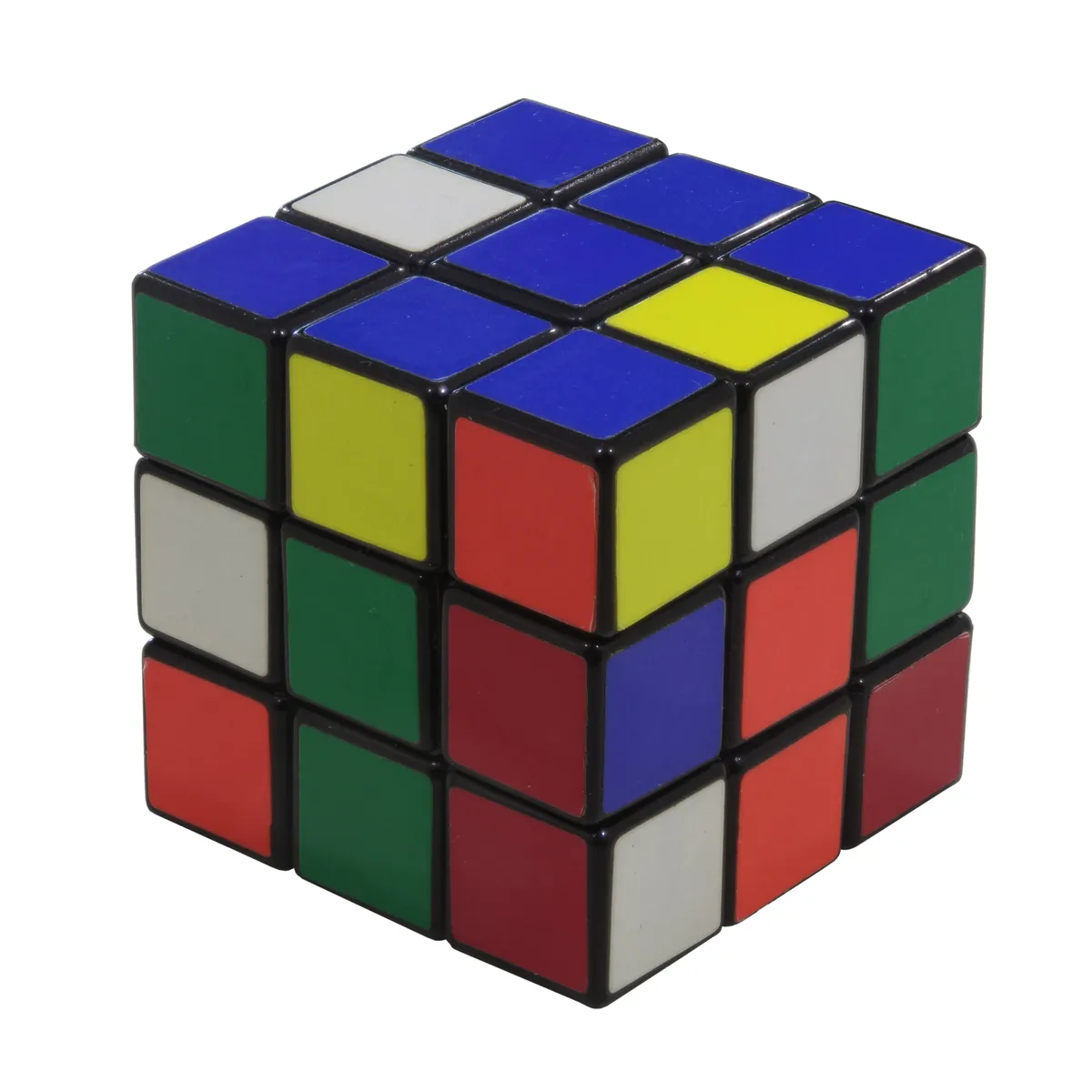
I gave the classic stickered version to a seven-year-old at the same time as testing this one, and the difference in outcome was stark. The stickered cube's stickers were peeling within three weeks and one had been picked off. The stickerless plastic has no such failure mode, and for a child's cube that alone justifies the couple of dollars difference.
Age suitability is honestly around eight and up for solving with a method, and any age for handling. Below that it functions as a fidget object, which is fine — nothing on it is small enough to be a choking hazard once assembled, though a popped corner piece would be.

What actually makes you faster
Worth saying plainly because the hardware conversation distracts from it: over eleven weeks, almost all of my improvement came from method rather than equipment. Going from the beginner layer-by-layer approach to intuitive F2L cut roughly 25 seconds off my average. Switching to the magnetic cube cut about 9. Learning to look ahead — planning the next pair while finishing the current one — was worth more than either.
The other free improvement was scrambling properly. Solving from lazy hand-scrambles produces easier cases and flattering times, and I inflated my own numbers for the first fortnight before switching to a proper random-state scramble generator. Anyone comparing their times to figures online should check they're scrambling the same way.
So the honest framing for a beginner: buy whichever cube is in front of you, spend the money you saved on nothing, and put the hours into finger tricks and look-ahead. The hardware ceiling only arrives once you are already fast.
Against the alternatives
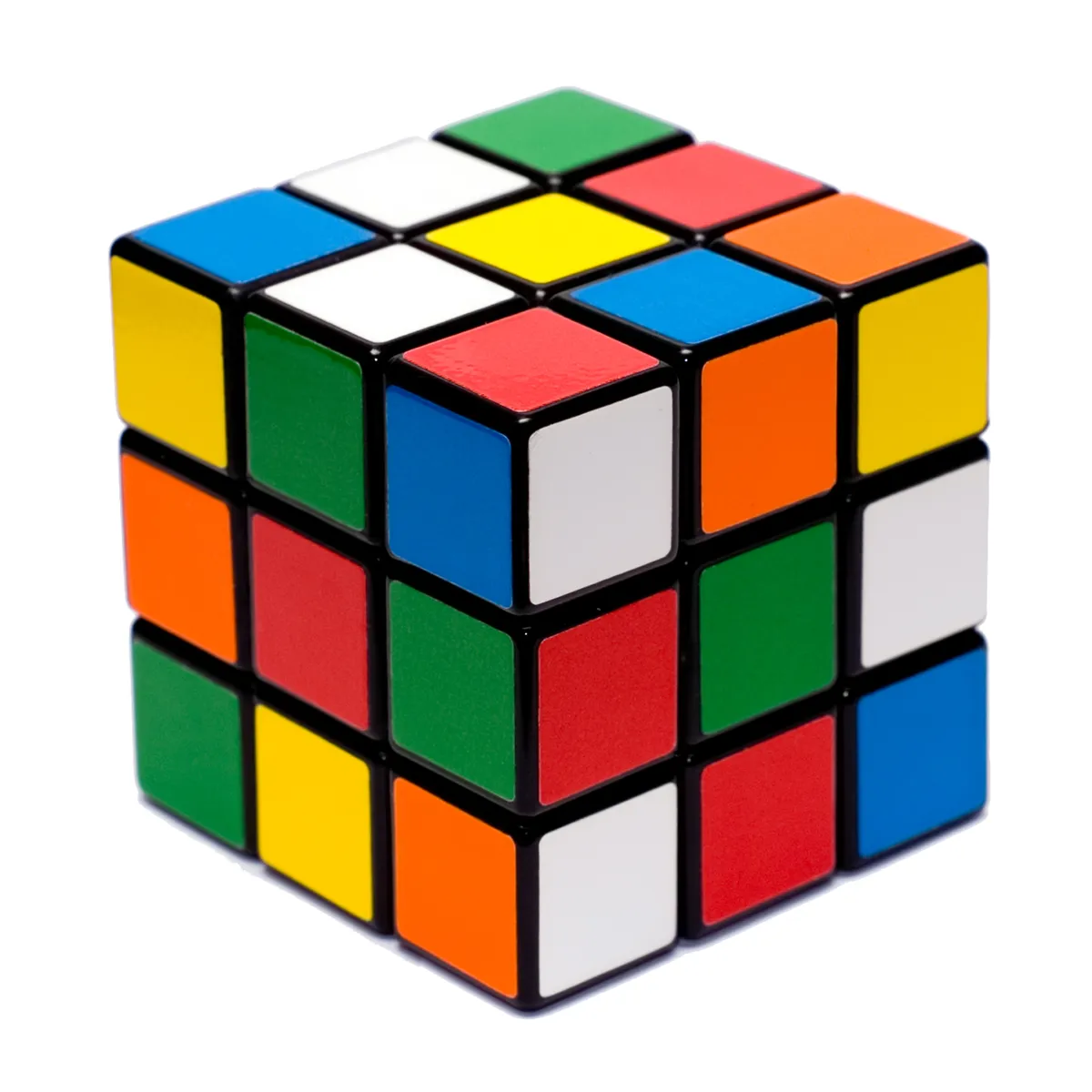
Against the $8 classic stickered Rubik's cube, the Speed Cube is a clear upgrade and worth every cent of the difference. Do not buy the stickered version for anyone who intends to actually solve it.
Against a $10-15 magnetic speedcube, the official cube loses on every performance measure and wins on availability and toughness. If you know you want to get fast, buy the speedcube. If you want a cube in a bag for a long train journey, buy this one.
Against a $40-60 flagship magnetic cube with adjustable magnets and spring tension, there is no comparison at all — those are competition instruments and this is a toy. The gap between $13 and $50 in this category is much larger than the gap between $13 and $10.
Who should buy this
Buy it if you want a cube today from a shop you can walk into, if it's a gift, if it's going in a bag and will be dropped, or if you're a beginner who wants to learn to solve and doesn't yet care about times. For the first month of learning it will not hold you back at all.
Skip it if you already know you want to get fast — buy a magnetic budget speedcube instead and skip the intermediate step. Skip it if you want to tune tension, because you cannot. And skip the classic stickered version entirely regardless of what you decide.
Verdict
Eleven weeks and several hundred solves in, the official Rubik's Speed Cube is a decent cube at a fair price that is comprehensively outperformed by cheaper specialist products. It corner-cuts well enough to be genuinely pleasant, the stickerless plastic solves the biggest flaw of the original, and it survived a dozen drops without popping a piece. It's also 40% heavier than a good speedcube, 13% slower in my own solve averages, permanently locked to whatever tension it left the factory with, and not modifiable in any worthwhile way. Buy it for availability and toughness, not for speed.
Other products we tested

Ecobee Smart Thermostat Premium Review: Two Months of Real HVAC Testing
We installed the Ecobee Smart Thermostat Premium without a C-wire, tracked its temperature accuracy against a separate thermometer, and measured real energy savings over two months of daily HVAC use.
Bose SoundLink Flex Review: Six Weeks of Hiking, Kayaking, and Beach Days
Six weeks of camping, kayaking, and beach trips show the Bose SoundLink Flex's IP67 rating and PositionIQ orientation sensing are genuinely useful, with honest limits on bass and max volume.

Coros Pace 3 Review: Six Weeks Testing the GPS Watch That Barely Needs Charging
A dual-frequency GPS running watch that trades AMOLED shine for weeks of battery life at a fraction of the price of flagship rivals.