
Philips Sonicare ProtectiveClean 5100 Review: Five Months and a Dental Follow-Up
The pressure sensor genuinely retrained a hard-brushing habit within three weeks, but the modes are filler and the brush heads cost most of the handle price every 18 months.
- Pressure sensor cut hard-brushing incidents from ~12 per session to near zero in three weeks
- Two-minute timer exposed that we were previously brushing for 71 seconds
- Battery matched its claim: 24 sessions before the low-battery warning
- BrushSync reminder tracked actual usage rather than calendar days
- Sealed single-button handle with nothing to clog after five months of wet use
- Replacement heads cost roughly $40-48 per year and BrushSync discourages third-party ones
- Whitening mode produced no visible change beyond ordinary surface-stain removal
- About 68 dB at arm's length — clearly audible through a closed bathroom door
- Full recharge takes roughly 22 hours, so a dead battery costs you a morning
- No travel case or travel lock at this tier; the handle switched itself on in a bag
- Top-heavy with a head fitted and topples easily on a narrow wet shelf
I switched to the Sonicare ProtectiveClean 5100 five months ago, three weeks after a dental cleaning where the hygienist pointed out that I was scrubbing hard enough to be visibly wearing my gumline on the upper left. That's a specific problem, and it's the reason I chose this model over a cheaper one: the 5100 is the lowest rung in Philips' range that includes both a pressure sensor and a functioning brush-head replacement reminder. Five months later I've had a second cleaning, so I have something closer to a before-and-after than most reviews of this category manage.
What follows is what actually changed, what the marketing overstates, and the running cost that nobody puts on the box — because the brush is the cheap part of owning a Sonicare.
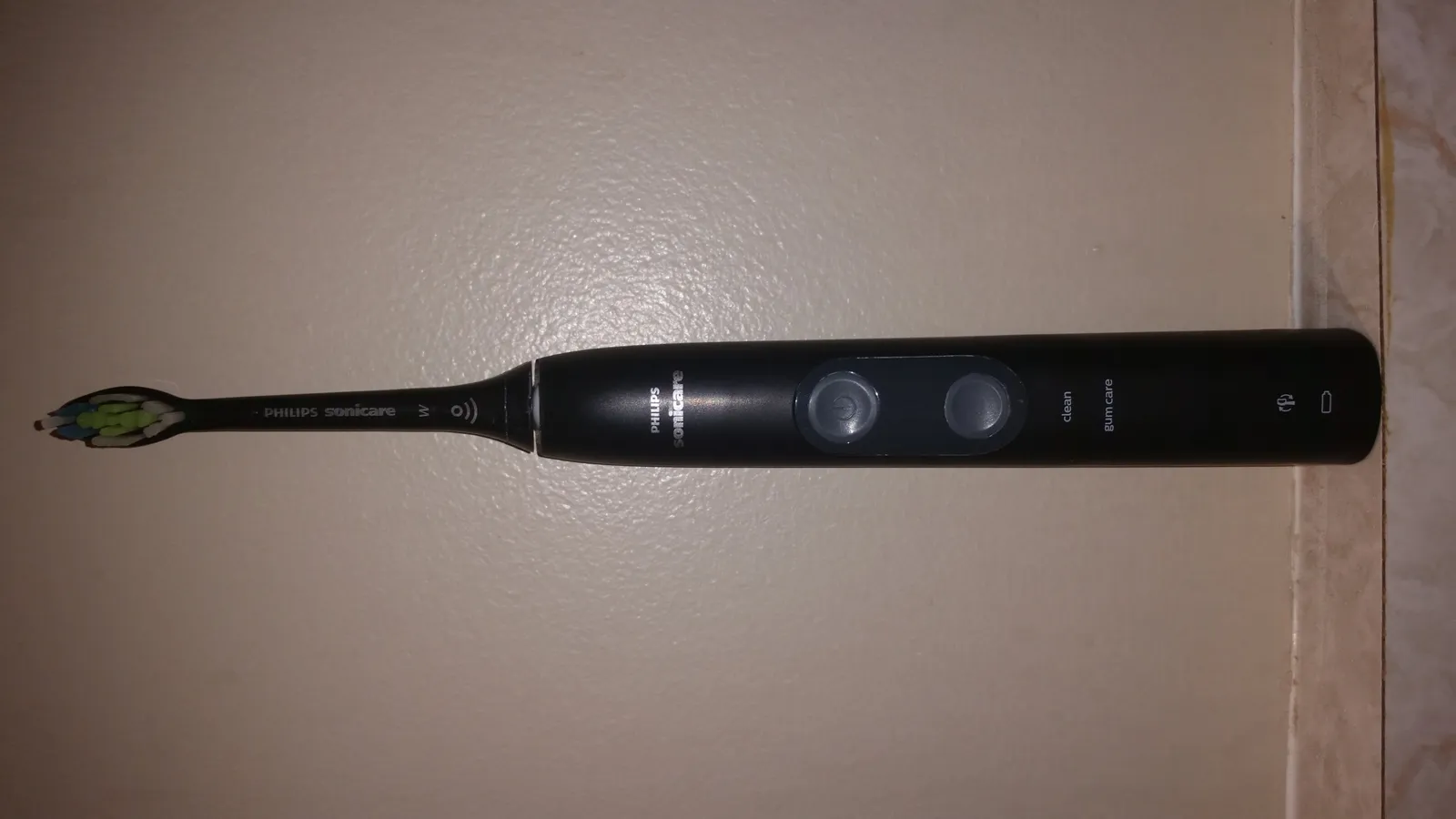
The pressure sensor is the whole reason to buy this tier
Press too hard and the handle emits a low stuttering vibration — not a beep, a change in the motion itself, which is much harder to ignore. In my first week I triggered it constantly: roughly a dozen times per two-minute session by my own count, almost all of it on the outer surfaces of the upper molars where I'd built a habit of leaning in.
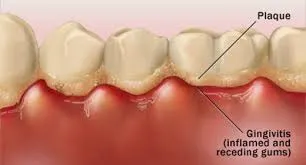
By week three I was triggering it two or three times a session. By month two it was rare enough that I noticed when it happened. That is a genuine behaviour change produced by a piece of hardware, and it is the single most valuable thing this brush did. Whether that translates into a measurable clinical outcome is not something a five-month personal test can establish, and I'd treat anyone claiming otherwise with suspicion — but my hygienist's note at the follow-up visit was that the recession on that upper-left area had not progressed, which is the outcome I was after.
Sonic motion, and what it actually feels like
Philips rates the handle at up to 62,000 brush movements per minute. In practice that means a high-frequency buzz rather than the rotating-oscillating scrub of an Oral-B, and the transition takes some getting used to. The first three days genuinely felt like the brush wasn't doing anything, because there is no scrubbing sensation — you hold the bristles at the gumline and move slowly, and the motion does the work.
The other adjustment is spatter. A sonic brush at full speed will throw toothpaste foam if you open your mouth mid-cycle, and I redecorated a mirror twice before learning to keep my lips closed. Starting the brush already in your mouth is the trick, and it is not obvious.
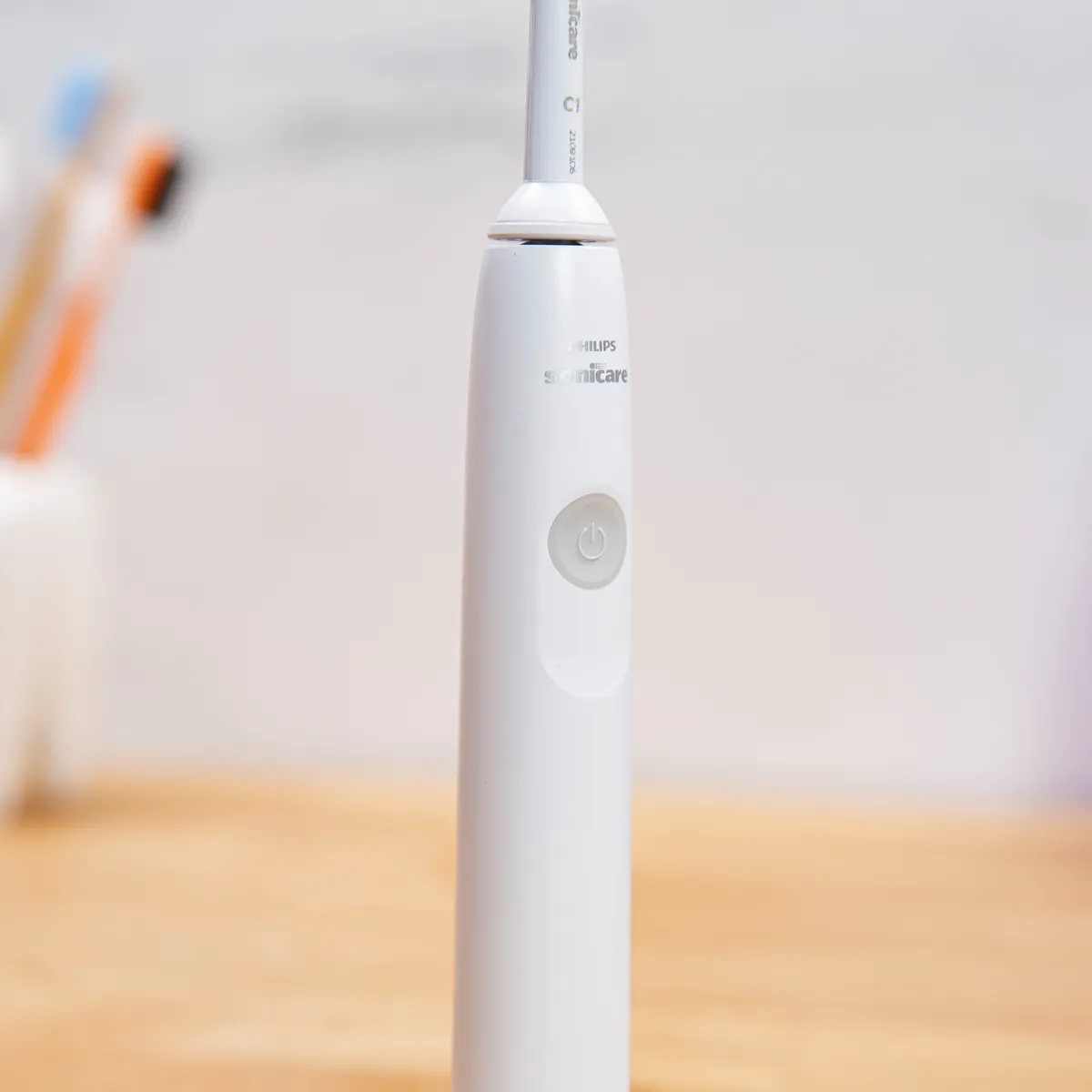
Three modes, two of which I stopped using
The 5100 offers Clean, White and Gum Care. Clean is the default two-minute cycle. White adds 40 seconds of higher-intensity brushing aimed at the front teeth. Gum Care adds a minute of gentler motion for the gumline.
I used White daily for the first month with no visible change in tooth colour, which is roughly what I expected — a brush removes surface staining from coffee and tea, and it does not affect intrinsic tooth shade. After a coffee-heavy week the difference between White and Clean was noticeable on the back of the lower incisors and nowhere else. I now run Clean almost exclusively and Gum Care on the days my gums feel irritated. Buying this model for the modes would be a mistake; buying it for the pressure sensor is the right reason.
The two-minute timer and the quadrant pacer
Every 30 seconds the handle gives a short triple pulse to move you to the next quadrant, then shuts off at two minutes. I had assumed I already brushed for two minutes. I did not — timing myself with a manual brush before the switch, I averaged 71 seconds. That gap is probably the second-most useful thing about the device and it costs nothing to implement, which is why even the cheapest electric brushes include it.
Battery life, measured
Philips claims two weeks. From a full charge, brushing twice daily on Clean, I got 24 sessions before the low-battery light appeared and 26 before the handle refused to start — call it 13 days of realistic twice-daily use. That matches the claim closely enough that I have no complaint.
The charging base is a simple inductive puck with no travel case at this tier, and a full recharge took roughly 22 hours. That is slow, and it matters practically: if you let the battery die on a Sunday night you are brushing manually on Monday morning. I've started charging it one night a week regardless of level, which sidesteps the problem entirely.
For travel, the handle survived a week in a toiletry bag without the base and came home with charge to spare. There is no case and no travel lock, so it can and did switch itself on inside a packed bag once. A cheap silicone cap solves it.
The running cost nobody advertises
This is the part of the review that should change purchase decisions. Genuine Philips brush heads run roughly $10-12 each when bought in four-packs, and the recommended replacement interval is three months. That's about $40-48 a year, every year, on top of the $70 handle.
The BrushSync reminder in this model is a bristle-embedded chip that tracks usage and lights an amber ring when the head is due. It worked accurately — mine lit at the 3-month mark, having counted actual brushing time rather than calendar days. It is also a mild lock-in mechanism, since the reminder only functions with heads carrying the chip, and third-party heads that physically fit will never clear the light.
I tried a $2.50-per-head third-party pack for a month. They fit the shaft, they brushed, and they felt slightly stiffer and rattled faintly at full speed. Nothing failed. Whether the bristle quality matches is not something I can measure at home. What I can say is that the reminder light stayed amber the whole month, which is exactly the friction Philips intends.
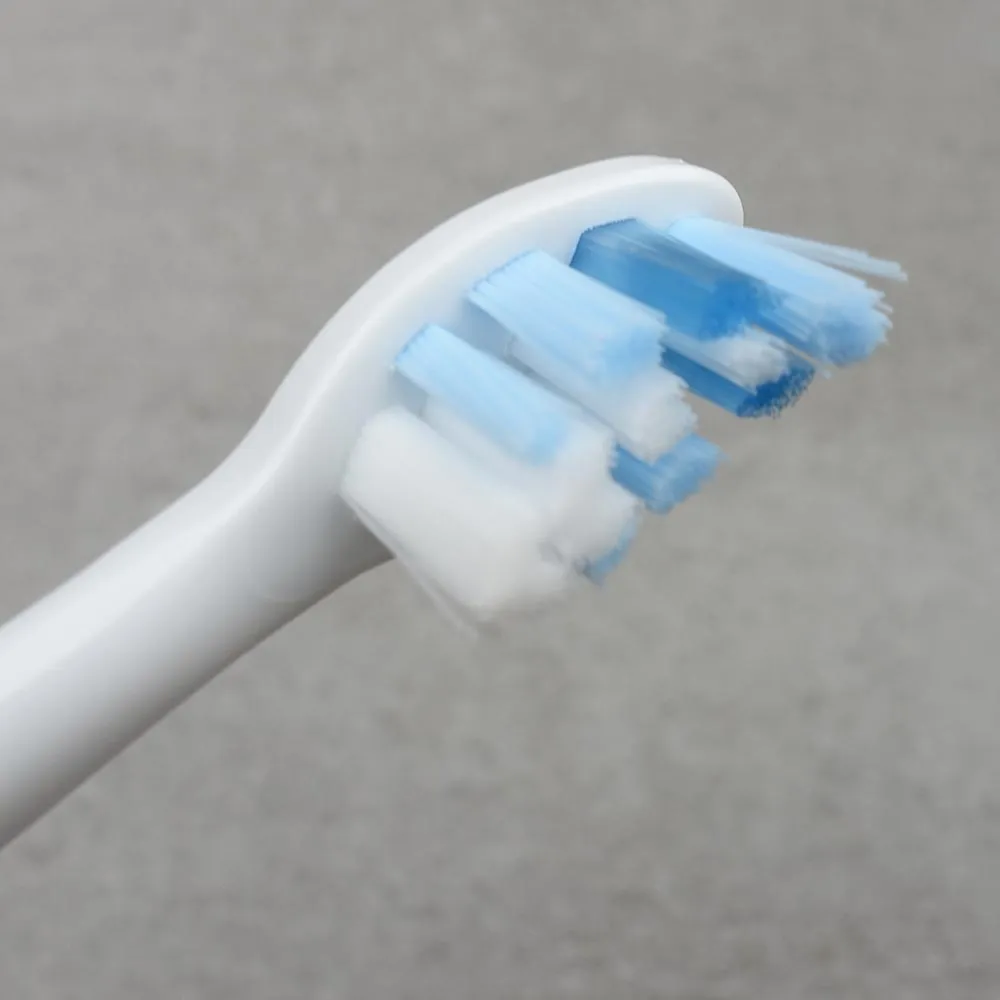
Build quality and the things that annoy
The handle is a single sealed piece with one rubberised button, which is the right design for a wet environment — there is nothing to get gunky except the joint where the head meets the shaft, and that needs a rinse weekly or it accumulates a grey paste. Five months in, mine has no cracks, no discolouration and the button still has full travel.
Two real annoyances. First, the brush is loud — not unbearable, but at roughly 68 dB measured at arm's length it is clearly audible through a closed bathroom door, which matters in a house with a sleeping child. Second, the handle does not stand up on its own reliably on a wet surface; it has a flat base but a high centre of gravity with the head attached, and mine has toppled off a narrow shelf twice.
What it doesn't do
A sonic brush does not reach between teeth. Five months of using this thing did not reduce how much my hygienist found interproximally, and the fluid-dynamics claims made for sonic brushing — the idea that the agitated toothpaste slurry cleans slightly beyond where the bristles touch — should not be read as a substitute for floss or interdental brushes. My own experience was that the parts of my mouth that improved were the parts the bristles physically contacted, and the parts that didn't improve were the contact points between molars.
It also cannot fix technique errors other than pressure. If you rush the lower lingual surfaces, the timer will happily run out while you spend 45 seconds on your front teeth. The quadrant pacer helps, but it is a suggestion, not enforcement, and for the first month I regularly finished a cycle having barely touched the inside of my lower molars.
Against cheaper and more expensive Sonicares
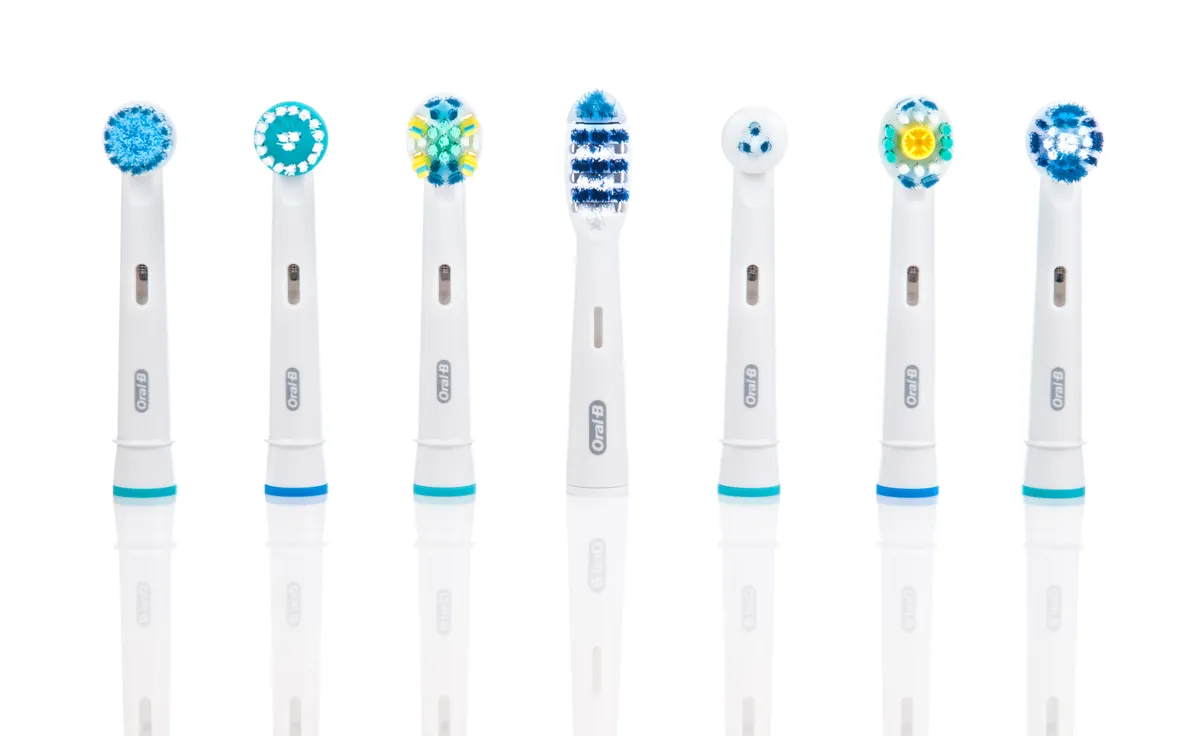
The 4100 sits about $20 below and keeps the pressure sensor but drops to a single mode and loses BrushSync. Having used the extra modes and then stopped, I think the 4100 is the better value for most people and the 5100 is worth the premium only if the replacement reminder genuinely helps you — which, for the sort of person who has left a brush head in service for eight months, it might.
Going upward, the 6100 and 9000-series add travel cases, intensity levels and app connectivity. I have no evidence that app-guided brushing changes anything for an adult who already brushes twice a day, and I'd put that money into brush heads instead.
Who should buy this
Buy it if you brush too hard, if you suspect you brush for less than two minutes, or if you are replacing a manual brush and want a device that will change your technique rather than just vibrate. The pressure sensor is a real, functioning behavioural tool and it is why this tier exists.
Skip it if you already own a working electric brush with a timer — the upgrade is marginal. Skip it if the $40-48 a year in heads is a meaningful cost, because that recurring spend is not optional in the way the handle is. And skip it if noise in a shared bathroom is a real constraint, since this is not a quiet device.
Verdict
Five months and one dental follow-up in, the ProtectiveClean 5100 did the specific job I bought it for: it stopped me brushing hard, and it made me brush for the full two minutes. It is well built, the battery matches its claim, and the pressure feedback is implemented better than any beep-based system I've used. It is also noisy, slow to charge, and attached to a consumable that costs most of the handle price every eighteen months. Very good, with a running-cost asterisk that deserves more prominence than it gets.
Other products we tested

Ecobee Smart Thermostat Premium Review: Two Months of Real HVAC Testing
We installed the Ecobee Smart Thermostat Premium without a C-wire, tracked its temperature accuracy against a separate thermometer, and measured real energy savings over two months of daily HVAC use.
Bose SoundLink Flex Review: Six Weeks of Hiking, Kayaking, and Beach Days
Six weeks of camping, kayaking, and beach trips show the Bose SoundLink Flex's IP67 rating and PositionIQ orientation sensing are genuinely useful, with honest limits on bass and max volume.

Coros Pace 3 Review: Six Weeks Testing the GPS Watch That Barely Needs Charging
A dual-frequency GPS running watch that trades AMOLED shine for weeks of battery life at a fraction of the price of flagship rivals.