
Parker 76R Safety Razor Review: 90 Shaves, $3.10 of Blades, 18 Nicks
Four months of shaving cost $3.10 in blades against roughly $65 in cartridges — after a first fortnight that produced 11 nicks and a real learning curve.
- 26 blades for 90 shaves cost $3.10 total against roughly $65 in cartridges
- Paid back its $39 purchase price in about ten weeks
- Neck irritation and ingrown hairs from multi-blade cartridges stopped by month two
- Butterfly loading means never handling a bare blade edge
- 96 g brass handle with knurling that grips reliably with soapy wet hands
- Chrome plating unmarked after four months with no pitting at the head
- 11 nicks in the first two weeks, including two needing a styptic pencil
- Shave time roughly doubled, from about four minutes to eight
- Needs two or three passes to match a cartridge's single pass
- Blade brand affects the shave more than the razor does — a sampler pack is essential
- Loose blades are a genuine safety hazard and need a blade bank for disposal
- Blades are not permitted in airline hand luggage
The pitch for a double-edge safety razor is two things at once: dramatically cheaper blades and dramatically less waste than a cartridge system. Both claims are true and both are usually presented without mentioning that you will cut yourself in the first fortnight. I switched to a Parker 76R — a butterfly-opening double-edge razor at around $39 — and used it as my only razor for four months, roughly 90 shaves, tracking blade cost and counting the nicks.
The savings figure surprised me and the learning curve was worse than I expected. Here is both, with numbers.
The cost maths, with real numbers
This is the strongest argument and it is not close. A five-pack of modern cartridges runs $16-22 in my area — call it $3.60 per cartridge. Double-edge blades cost $10-14 for a hundred, or roughly 12 cents each.
My measured blade life was three to four shaves before the pull became noticeable, so about 3.5 shaves per blade. Over 90 shaves I used 26 blades: about $3.10 of steel for four months.
The same 90 shaves on cartridges, at a genuinely optimistic five shaves per cartridge, would have been 18 cartridges — about $65. So the razor's $39 purchase price was recovered in roughly the first ten weeks, and everything after that is essentially free shaving. Over five years the gap is several hundred dollars.
The other saving is soap. A $12 puck of shaving soap and a $20 brush replaced canned foam and has lasted the entire four months with perhaps two-thirds remaining. Aerosol cans are the other consumable this system deletes.
The learning curve, counted honestly
I kept a tally. Weeks one and two: 11 nicks across 12 shaves, including two that needed a styptic pencil and one genuinely embarrassing one on the jawline. Weeks three and four: 4 nicks. Month two: 2. Months three and four combined: 1.
Every one of those early cuts came from the same two mistakes. First, applying pressure — a cartridge razor is designed to be pressed against the skin and a safety razor is designed to be rested on it, with the weight of the head doing the work. Second, wrong angle: the blade needs to sit at roughly 30 degrees to the skin, which you find by laying the cap flat against your face and then tilting until the blade just engages.
The other thing nobody says clearly: shave with the grain first, not against it. Going against the grain on the first pass with a fresh blade and no technique is how people end up with the razor burn that makes them quit in week one.
How the shave compares
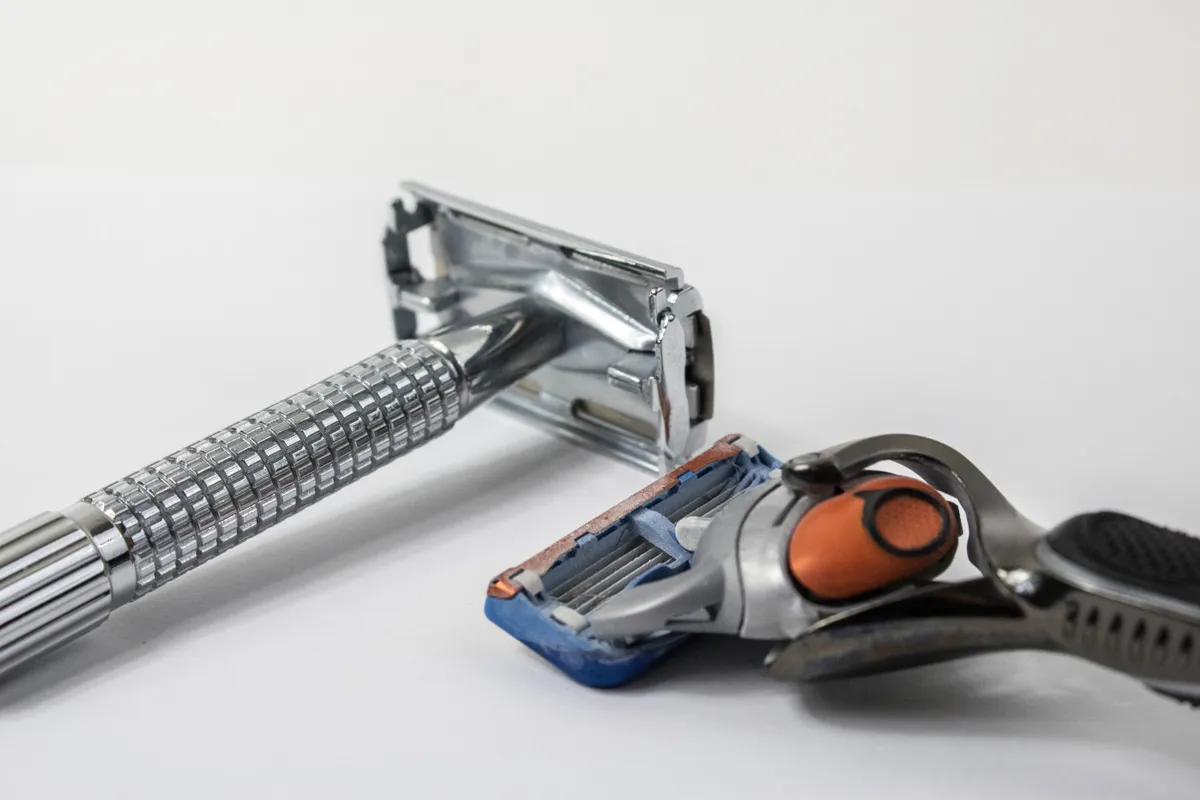
Better, once you can do it. A single-blade shave cuts the hair at the skin surface rather than pulling it slightly proud and cutting below, which is the mechanism behind most ingrown hairs from multi-blade cartridges. I had persistent irritation on my neck with a five-blade cartridge and it stopped almost entirely by month two on the safety razor.
Closeness is comparable but requires more passes. A cartridge gets me smooth in one pass with the grain; the safety razor needs two passes — with the grain, then across it — to reach the same point, and three if I want genuinely smooth. That's time: my average shave went from about four minutes to about eight.
Eight minutes is the real cost of this system, and whether that's a pleasant ritual or a daily annoyance is a personality question rather than a product one. I found it pleasant. I also shave in the evening, which helps.
The Parker 76R specifically
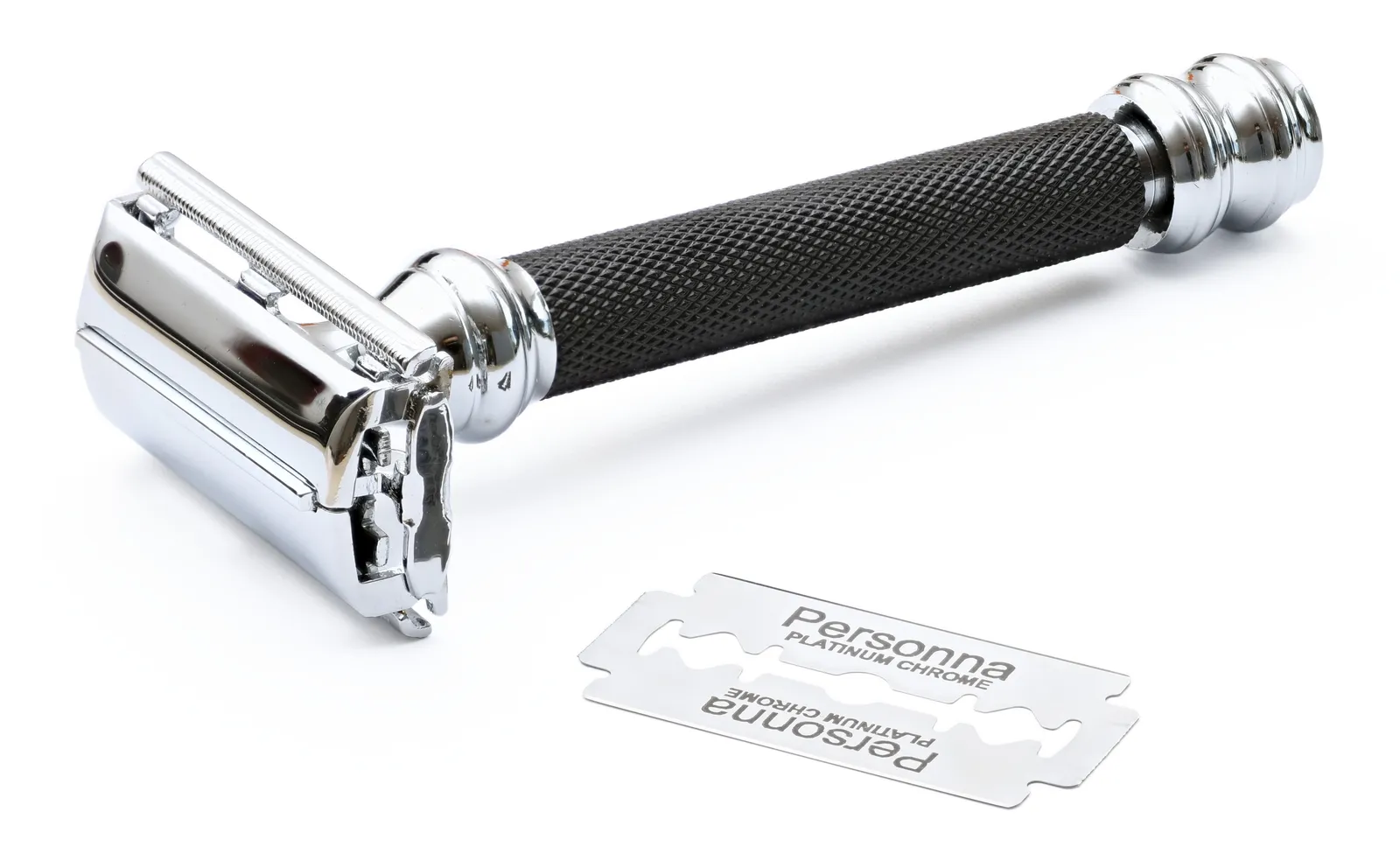
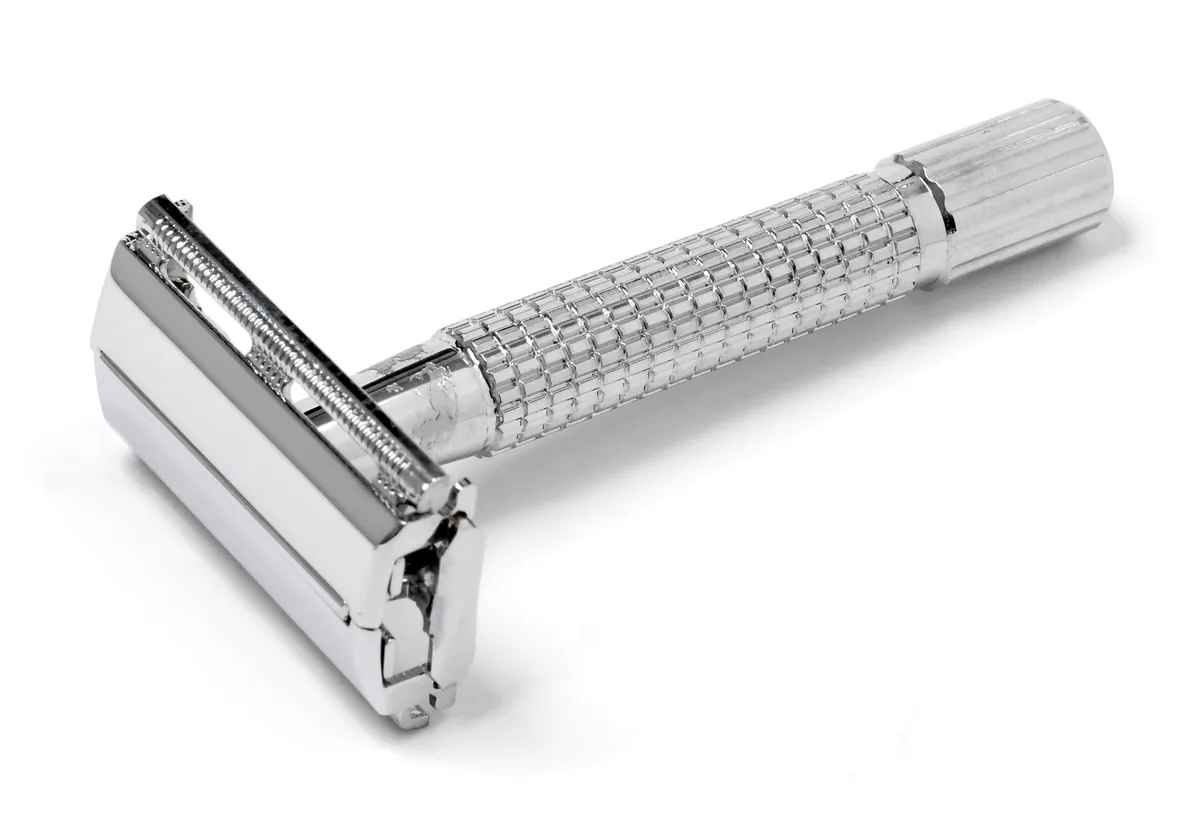
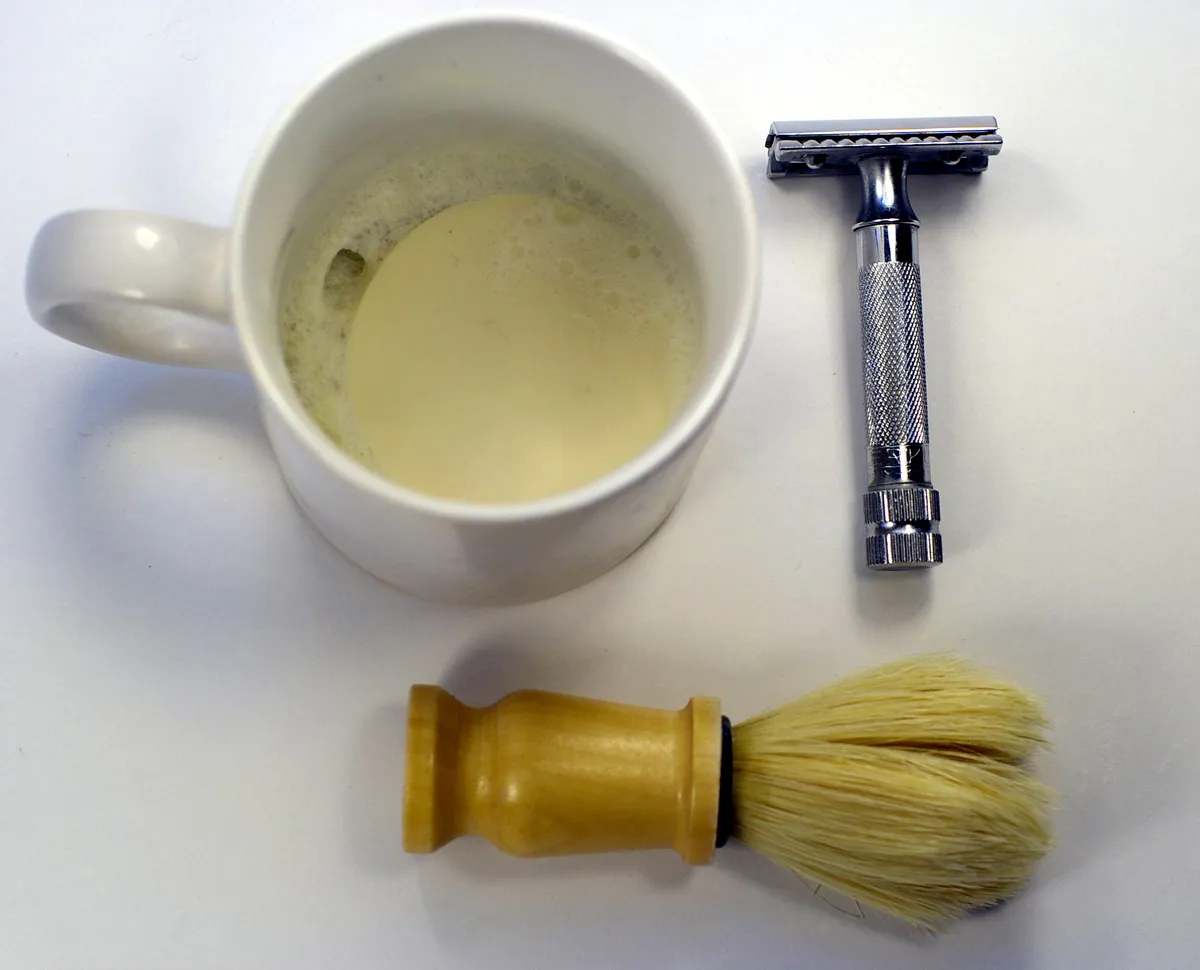
The butterfly or twist-to-open mechanism is the reason to buy this particular razor. Twisting the knob at the base opens the top plate like doors, you drop a blade in, and twisting back closes and centres it. It takes about five seconds and you never handle a bare blade edge.
Three-piece razors, where you unscrew the head into separate parts, cost less and require you to pick up and align a naked blade every three shaves. Having done both, the butterfly is worth the premium purely for that.
The razor weighs 96 g with a 4-inch knurled brass handle. That weight is the point — it's what lets you rest rather than press — and it also means the razor is genuinely dangerous if dropped on a foot or grabbed at wrongly. It is a heavy metal object with a blade in it.
The knurling grips well with wet, soapy hands, which is not a given. Four months of daily use has left the chrome plating unmarked with no pitting at the head where water pools.
Blades: the variable nobody warns you about
Blade brand matters more than razor brand, and this is the single most useful thing I learned. I tested four brands over the four months and the difference was larger than I expected — one was noticeably sharp and slightly harsh, one was smooth and dulled fast, one was mediocre, one suited me clearly better than the rest.
A $12 sampler pack of five or six brands is the right first purchase alongside the razor. Buying a hundred blades of one brand before knowing whether it suits your skin and beard is how people conclude that safety razors don't work for them.
Blades are also, importantly, sharp objects that need disposing of properly. A blade bank — a small metal tin with a slot, a few dollars, or a repurposed tin can with a slit cut in it — is the correct answer. Loose double-edge blades in a household bin are a genuine hazard to whoever handles that bag.
The waste question, examined
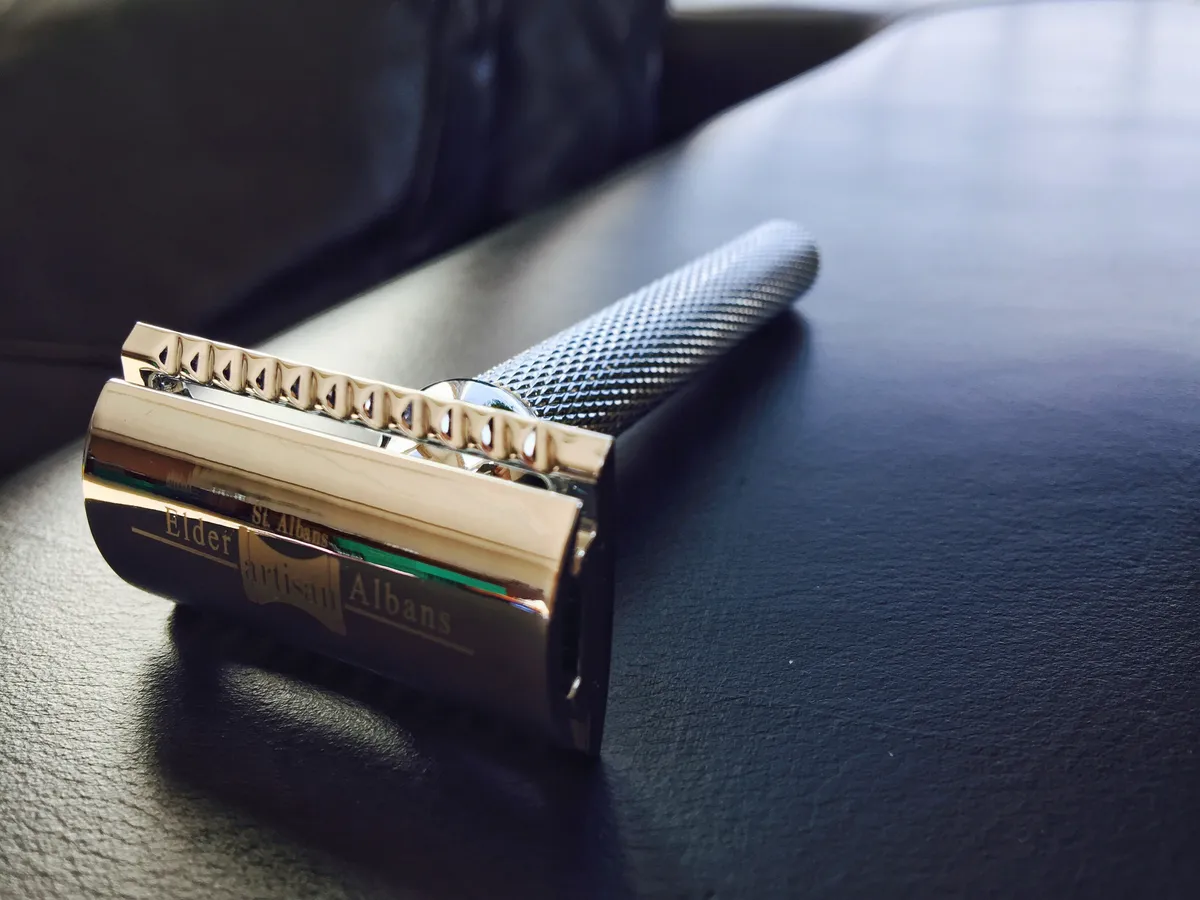
Over four months this system produced 26 used steel blades — recyclable as scrap metal once collected in a tin — plus a paper soap wrapper. The cartridge equivalent would have been 18 plastic-and-steel cartridges that cannot practically be separated for recycling, plus two or three aerosol cans.
That's a real reduction and it's the honest scale of it: a modest amount of household waste, replaced by a smaller amount that happens to be recyclable. Anyone presenting a safety razor as a major environmental intervention is overstating it. As a straightforward, permanent, cost-saving reduction in single-use plastic, though, it's one of the easier swaps available.
Practical warnings
Two things worth stating directly rather than burying.
Double-edge blades are extremely sharp and completely unguarded when out of the razor. Store them in their paper wrappers or in the dispenser, keep the whole lot well out of reach of children, and never leave a used blade on a bathroom shelf. Dispose of them in a sealed blade bank rather than a bin bag.
Blades are also restricted in hand luggage by most airlines — the razor body is generally fine, the blades are not. I forgot this once and surrendered a packet at security.
Soap, brush and the rest of the setup
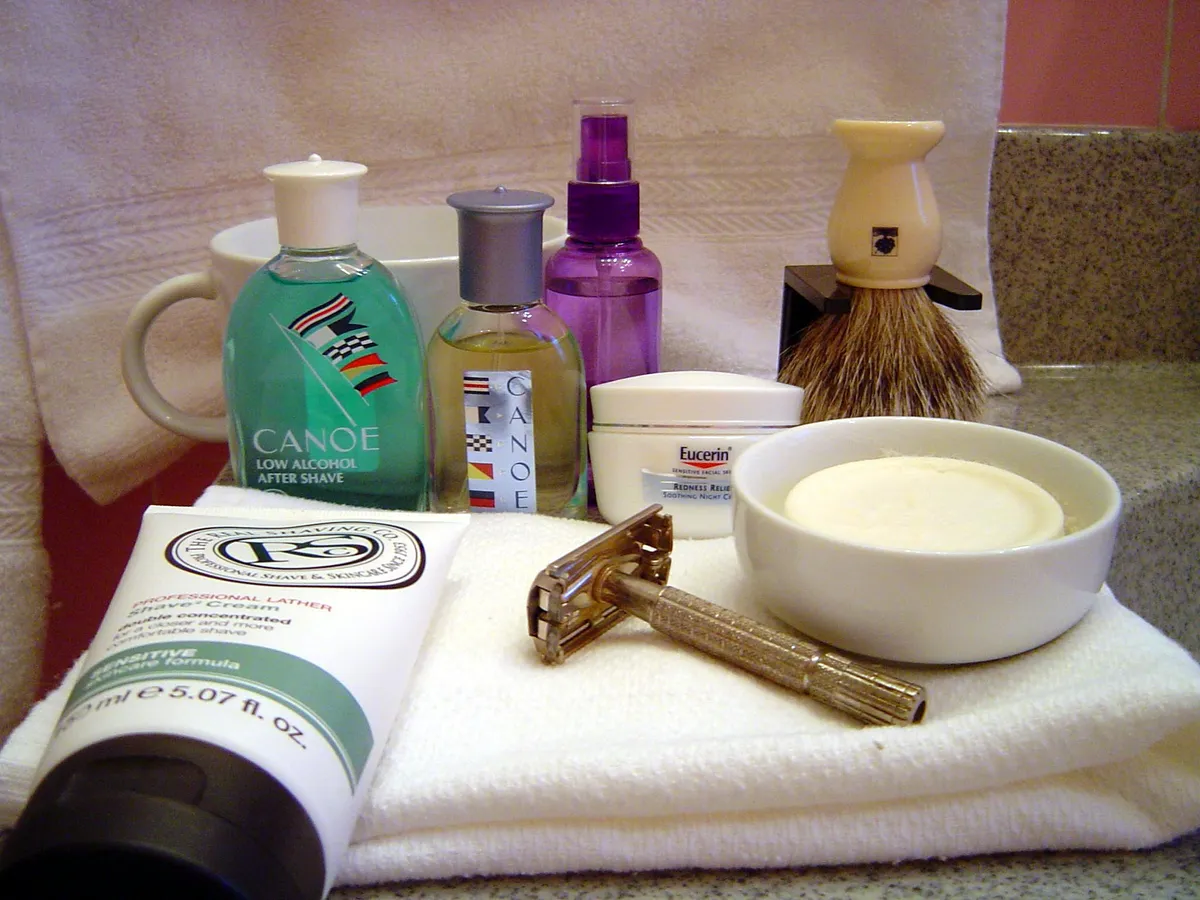
The razor is only part of the system, and the lather matters more than I assumed. Canned foam sits on the skin as bubbles; a brush-built lather from a soap puck works water into the hair and softens it, which measurably reduced pull on the second pass. Switching back to canned foam for three shaves as a test produced noticeably more tugging with the same blade.
Total supporting cost was $12 for the soap and $20 for a synthetic brush. Four months later the puck is about two-thirds remaining, so call it a year and a half per puck. A synthetic brush also dries faster than badger and needs no breaking in, which is the sensible choice for anyone not interested in the hobby side of this.
One practical note: the razor needs somewhere to drip dry with the head down or water sits in the head and around the blade. A cheap stand solves it, or a hook. Leaving it face-up on a shelf is how a blade goes dull in two shaves instead of four.
Against the alternatives
Against a cartridge system, the safety razor wins decisively on cost and waste, loses on speed and on the first two weeks. Against an electric shaver, it gives a much closer shave and takes far longer, and the electric never cuts you.
Against a cheaper $15 three-piece safety razor, the Parker's butterfly loading and heavier handle are worth the difference if you'll use it daily. Against a $120 machined stainless razor, you're paying for materials and adjustability rather than a meaningfully better shave; the 76R is at the sensible end of this market.
Who should buy this
Buy it if you shave regularly, if eight minutes is acceptable, if you get irritation or ingrown hairs from multi-blade cartridges, and if you'd rather spend $3 a year on blades than $65. Buy a blade sampler pack at the same time, and a blade bank.
Skip it if you shave in a hurry every morning, if you travel constantly by air, if you have a household where a loose blade would be a serious risk, or if the prospect of a fortnight of nicks while learning is not something you want to sign up for. That is a completely reasonable position and a good electric shaver is the better answer for those people.
Verdict
Four months and 90 shaves in, the Parker 76R has cost me $3.10 in blades, eliminated the neck irritation I'd had for years, and paid for itself in ten weeks. The butterfly loading means never handling a bare blade, the weight does the work if you let it, and the chrome is unmarked. Against that: 11 nicks in the first fortnight, double the shave time, blade brand matters more than anyone tells you, and there is a genuine sharp-object safety consideration in a shared bathroom. Excellent long-term value that asks for two weeks of patience first.
Other products we tested

Ecobee Smart Thermostat Premium Review: Two Months of Real HVAC Testing
We installed the Ecobee Smart Thermostat Premium without a C-wire, tracked its temperature accuracy against a separate thermometer, and measured real energy savings over two months of daily HVAC use.
Bose SoundLink Flex Review: Six Weeks of Hiking, Kayaking, and Beach Days
Six weeks of camping, kayaking, and beach trips show the Bose SoundLink Flex's IP67 rating and PositionIQ orientation sensing are genuinely useful, with honest limits on bass and max volume.
Coros Pace 3 Review: Six Weeks Testing the GPS Watch That Barely Needs Charging
A dual-frequency GPS running watch that trades AMOLED shine for weeks of battery life at a fraction of the price of flagship rivals.