
Lodge 12-Inch Cast Iron Skillet Review: Five Months of Daily Cooking and One Rust Scare
The Lodge 12-inch sears better than pans costing ten times as much, but the weight, the smoke, and a single night in a wet sink are real ownership costs nobody mentions.
- Recovers heat far faster than clad stainless when cold food hits the pan
- Genuinely oven-safe with no coating, rivets or temperature ceiling
- Cornbread and dutch babies come out better than in any other pan we own
- At roughly $35 it is close to disposable, yet effectively repairable forever
- Factory seasoning improves quickly with normal cooking, no oven marathon needed
- 8 lb 2 oz empty — a real two-hand lift once loaded
- Rusted visibly after a single night left wet in the sink
- Handle stays dangerously hot for about 20 minutes after cooking
- Long-simmered acidic dishes strip the seasoning back to bare metal
- Enough smoke at searing temperatures to trip a detector under a weak hood
- Assist handle is a small nub rather than a proper loop
The 12-inch Lodge skillet is the pan people recommend when someone asks what to buy first, and it is also the pan that ends up shoved to the back of a cabinet six months later, orange with rust, because nobody explained the upkeep. I have been cooking on one almost daily for five months — breakfast eggs, weeknight searing, two Thanksgiving side dishes, more cornbread than any household needs, and one genuinely stupid mistake that left it rusted after a single night. This review is about what that stretch actually taught me, including the parts that don't show up in the marketing copy.
Worth setting expectations first: this is a $35 pan made of a single piece of sand-cast iron, machined roughly, sprayed with soybean oil and baked. It is not a precision instrument. Nothing about it is flat to a tolerance you'd measure, the cooking surface is noticeably pebbled compared to vintage Griswold or modern milled pans, and the raw weight is a real ergonomic factor. What it does have is thermal mass, an oven ceiling limited only by your oven, and a price low enough that treating it as a consumable is genuinely reasonable.
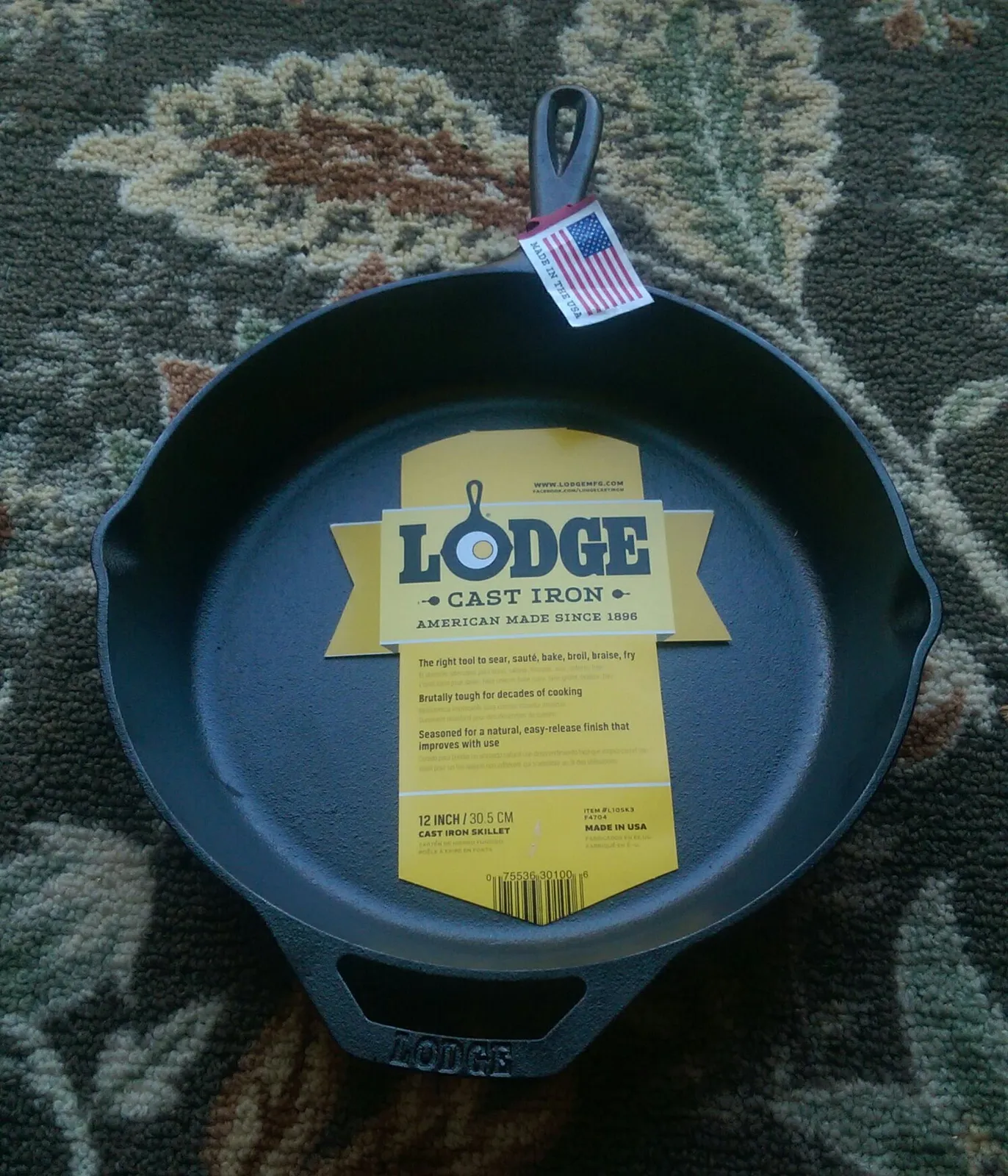
What you actually get for $35
Out of the box the pan measures 12 inches rim to rim, which sounds larger than it cooks: the sloped walls mean the flat cooking floor is closer to 9.5 inches. That distinction matters more than any spec on the box. Four chicken thighs fit with room to render; six do not, and crowding them turns a sear into a steam. The pan weighs 8 pounds 2 ounces on my kitchen scale — before food. Loaded with a whole roast chicken and vegetables it is a genuine two-hand lift, and if you have any wrist issues at all, that is the single most important number in this review.
The factory seasoning arrives thin, matte, and slightly grey-brown rather than the black people expect. It is enough to keep the pan from rusting on the shelf and not much else. My first fried egg stuck badly enough that I scraped it out in pieces. That is normal and not a defect, but it does mean a $35 pan carries a hidden cost of two or three weeks of deliberate cooking before it behaves.
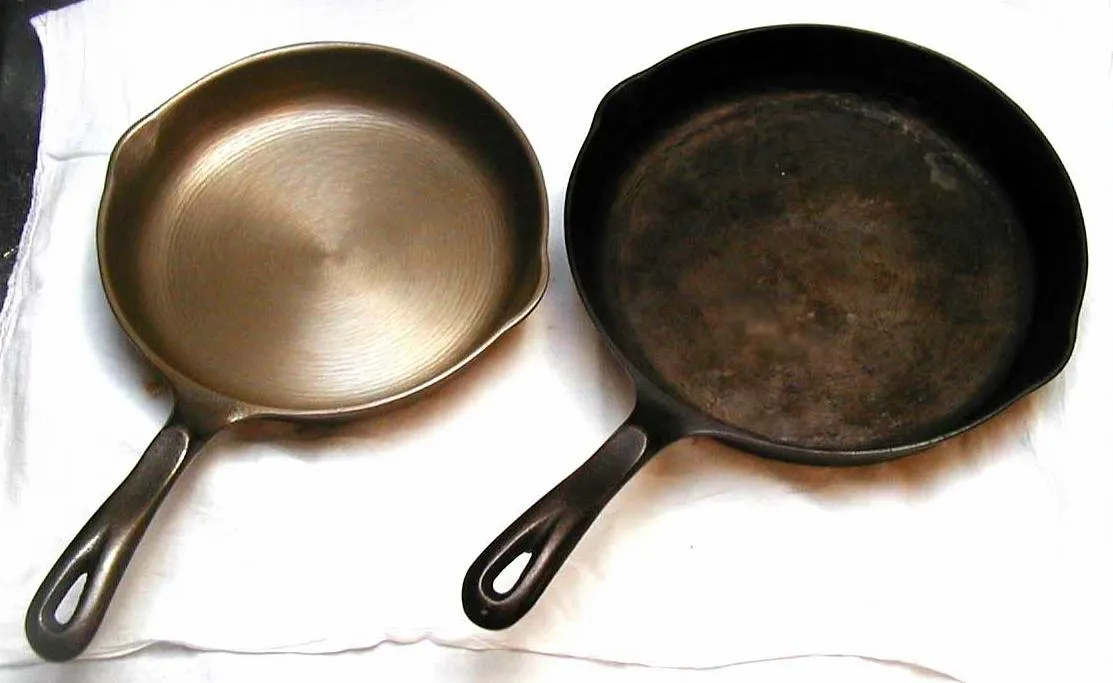
The seasoning curve, week by week
I did not do a dedicated seasoning marathon in the oven. I cooked bacon in it four times in the first ten days, wiped it hot with a paper towel each time, and let it build. By week two the surface had gone from grey to a dull brown-black and eggs released with a nudge instead of a scrape. By week five it was reliably non-stick for eggs cooked in butter over medium-low, though never as forgiving as PTFE — you still need fat, and you still need the pan properly preheated.
The thing nobody warns you about is that seasoning is not a one-time achievement. Cooking a long-simmered tomato sauce in it during week six stripped a visible patch back to grey. Acidic food does that. Cast iron partisans will tell you a well-seasoned pan handles tomatoes fine; in my experience it handles fifteen minutes of tomatoes fine and forty-five minutes of tomatoes badly. I now use stainless for anything acidic that simmers, which means this pan replaced fewer of my other pans than the internet promised.
Searing: the thing it is genuinely best at
Preheated for eight minutes over medium on a gas burner, the pan surface read 445°F on an infrared thermometer at the center and about 390°F an inch from the wall. That gradient is worth knowing — the middle of a Lodge is meaningfully hotter than the edge, so a steak sitting off-center browns unevenly. Rotating the pan halfway through preheating narrowed the spread to roughly 25 degrees, which is close enough to not matter.
What the mass buys you is recovery. Dropping a cold 14-ounce ribeye into a preheated aluminum-clad stainless pan tanked the surface temperature by about 130 degrees in my side-by-side; the Lodge dropped roughly 70 and climbed back within ninety seconds. That is the entire argument for cast iron in one sentence, and it holds up. Crust formation on the Lodge was faster and more even every time I ran the comparison.
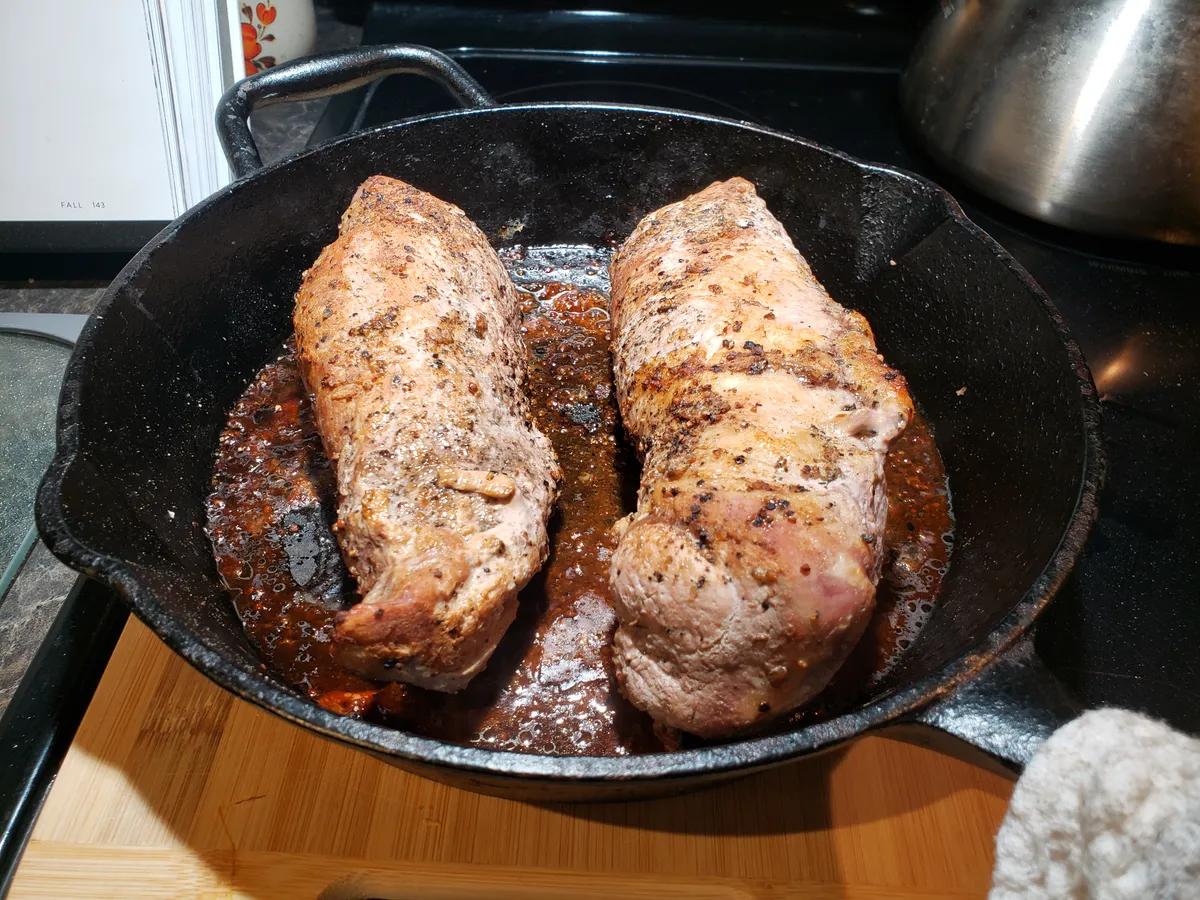
The corollary is smoke. Getting a proper sear in this pan sets off a smoke detector in a small kitchen with an under-cabinet recirculating hood. That happened to me twice before I started opening a window as step one of any searing recipe. If your ventilation is weak, factor that in honestly — it is the most common reason people stop using cast iron indoors.
Oven work: cornbread, dutch babies, and roast chicken
The pan has no plastic, no rivets, no coating and no upper temperature limit that your oven can reach, so the sear-then-roast workflow is seamless. Roast chicken at 425°F for 55 minutes, pull, rest, deglaze the fond into a pan sauce on the burner — all in one vessel, no transfer. Over five months this is what earned it permanent counter space rather than cabinet storage.
Cornbread is the best demonstration of the thermal mass. Batter poured into a screaming-hot buttered pan sets the crust instantly and produces an edge that a glass or aluminum pan simply cannot match. I baked eleven batches. The only failures were mine — under-preheating the pan gives you a pale, slightly gummy bottom, and there is no recovering from that once the batter is in.
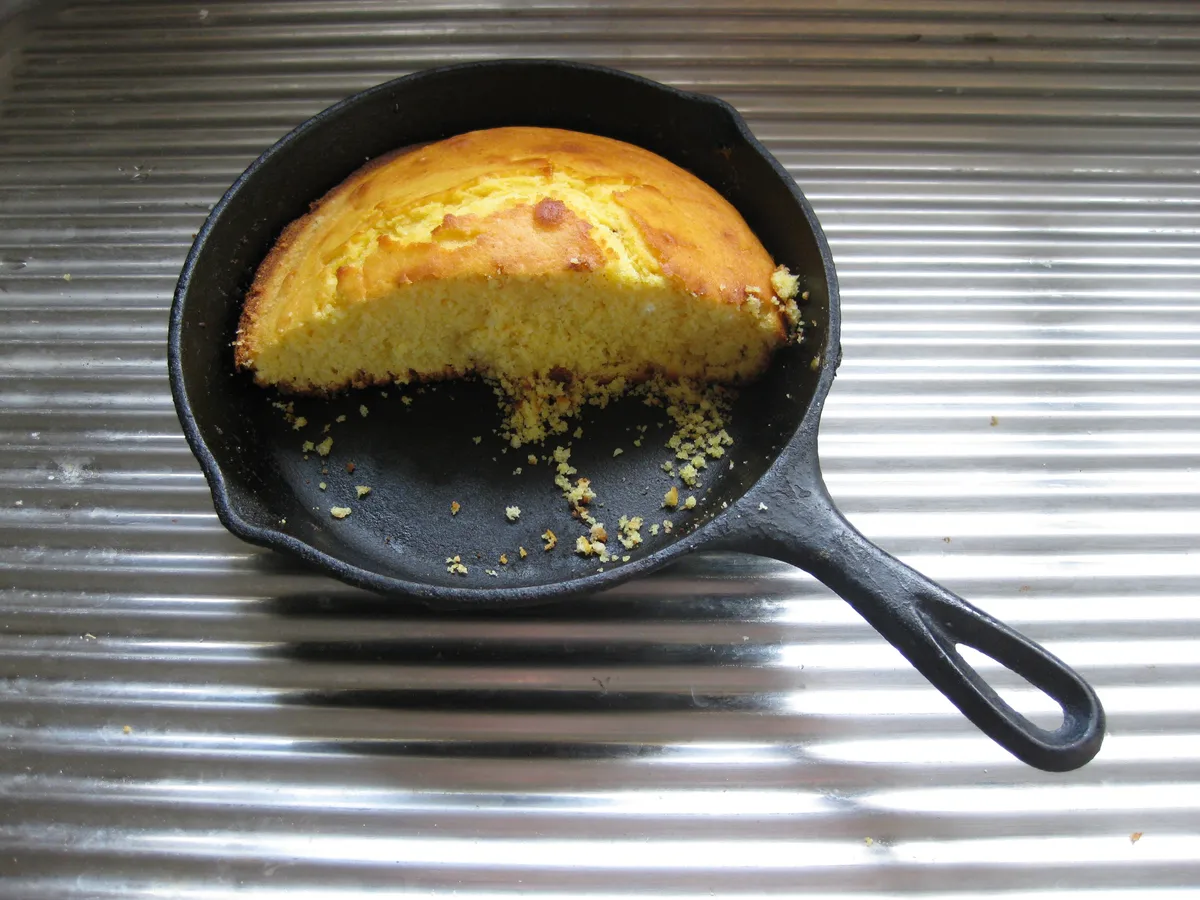
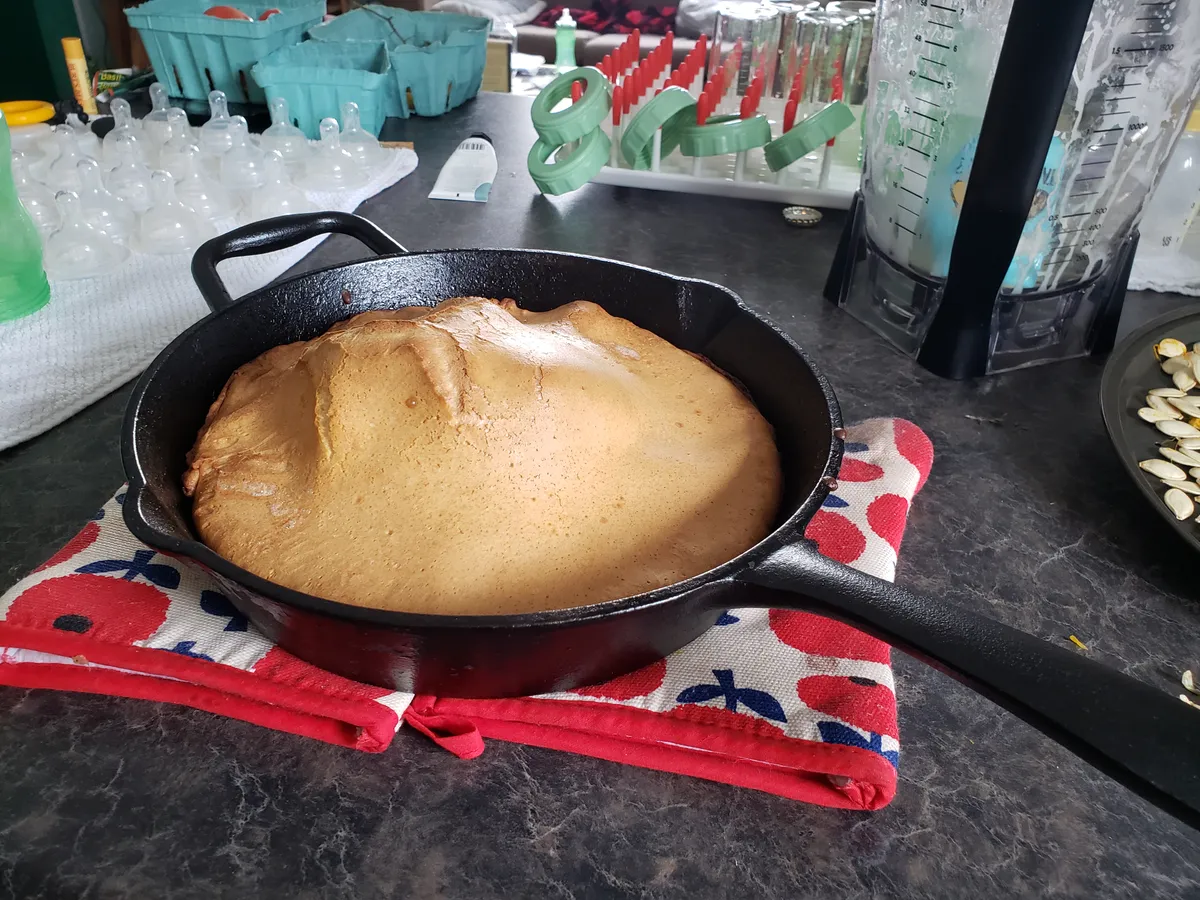
Dutch babies were the surprise. A 425°F pan, three eggs, and a batter poured in fast produce a puff that climbs the walls in about eight minutes. It is a party trick, but it is a party trick that works every single time, which is more than I can say for most of what this pan does.
The rust scare
Week nine. I deglazed with wine, got distracted, and left the pan wet in the sink overnight. By morning there was a dull orange bloom across roughly a third of the cooking surface. Not pitting, not structural, but unmistakably rust after one night — that is how thin the margin is on a pan whose seasoning is still young.
Recovery took about forty minutes of actual attention: chainmail scrubber and coarse salt to take the rust back to bare grey metal, a rinse, a hard dry over the burner until it stopped steaming, then a wipe of grapeseed oil so thin the pan looked dry, and an hour at 450°F upside down over foil. Two more cooking sessions and it was back to where it had been. Nothing was lost but time — but this is a real ownership cost, not a hypothetical, and it is the single reason I would not recommend this pan to someone who genuinely will not change their dish-drying habits.
Handle, spouts, and other physical annoyances
The handle gets hot. Obviously it gets hot, it is the same piece of iron — but the specific problem is that it stays hot for close to twenty minutes after the pan leaves the stove, long enough that you forget. I burned two fingers in month one and now keep a leather handle sleeve on it permanently. The assist handle opposite is a small nub rather than a proper loop; with 8 pounds of pan plus food, three fingertips on a nub is not a confident grip.
The two pour spouts work about as well as pour spouts stamped into thick iron ever do, which is to say bacon fat pours cleanly and a thin pan sauce dribbles down the outside. Minor, but it means the outside of the pan gets grubby in a way that requires occasional attention.
The cleaning routine that finally stuck
After trying several approaches, the one that survived daily use is boring: while the pan is still warm, hot water and a stiff plastic brush, no soaking. A drop of dish soap when something greasy needs it — modern dish soap does not strip polymerized seasoning, and the people insisting otherwise are working from 1970s lye-based soap advice. Then straight back onto a burner for ninety seconds to drive off every trace of water, and a half-teaspoon of oil buffed until the surface looks matte rather than wet. Total: under two minutes, every time. Skipping the burner-dry step is what caused my rust, and it is the step people skip.
Compared to a milled pan and to nonstick
I cooked alongside a milled-surface cast iron pan from a boutique brand costing roughly five times as much. The milled pan is genuinely smoother, released eggs sooner in its seasoning life, and is about a pound and a half lighter. It is not five times better. If you cook eggs in cast iron every morning, the upgrade is defensible; if you mostly sear and roast, the Lodge does the same job and you will care less when it gets scratched.
Against a $40 nonstick pan, the honest answer is that they are not competitors. Nonstick is easier for eggs, fish, and anything delicate, and it will be dead in three years. The Lodge is worse at those and will outlive you. Most kitchens want one of each, and anyone telling you cast iron replaces nonstick entirely has either far more patience than average or is not cooking much fish.
Who should buy this
Buy it if you sear meat regularly, bake anything that benefits from a hot pan, own a working oven you're willing to use, and can commit to drying the pan on a burner every time. At $35 the risk is close to zero — even a badly neglected one can be stripped and re-seasoned indefinitely.
Skip it if you have wrist, shoulder or grip limitations, if your only ventilation is a recirculating hood in a small apartment, if you cook a lot of long-simmered acidic dishes, or if you are honest with yourself about leaving pans in the sink. There is no shame in that last one — but this is not the pan for it.
Verdict
Five months in, the Lodge 12-inch has earned a permanent spot on my stovetop, with an asterisk. It sears better than anything else I own at any price, it moves to the oven without a thought, and it cost less than two takeout meals. It also weighs a great deal, punishes carelessness within a single night, smokes enough to matter in a small kitchen, and quietly demands two minutes of attention after every use. Score it on value and capability and it is outstanding; score it on how many people will still be using it happily in a year and it drops. Go in knowing which of those two groups you're in.
Other products we tested

Ecobee Smart Thermostat Premium Review: Two Months of Real HVAC Testing
We installed the Ecobee Smart Thermostat Premium without a C-wire, tracked its temperature accuracy against a separate thermometer, and measured real energy savings over two months of daily HVAC use.

Bose SoundLink Flex Review: Six Weeks of Hiking, Kayaking, and Beach Days
Six weeks of camping, kayaking, and beach trips show the Bose SoundLink Flex's IP67 rating and PositionIQ orientation sensing are genuinely useful, with honest limits on bass and max volume.

Coros Pace 3 Review: Six Weeks Testing the GPS Watch That Barely Needs Charging
A dual-frequency GPS running watch that trades AMOLED shine for weeks of battery life at a fraction of the price of flagship rivals.