
Hydro Flask 32 oz Wide Mouth Review: Fourteen Weeks and a Thermometer
Measured ice retention beat the 24-hour claim, but the weight, the two-handed lid, and a $10 straw-lid upgrade make the real price higher than the sticker.
- Averaged 41.5°F after 24 hours with ice, beating the advertised claim
- Exterior stays completely dry with ice water inside — vacuum seal intact after 14 weeks
- 2.25 in wide mouth takes full ice cubes and cleans easily with a brush
- Flex Cap is genuinely leakproof, tested inverted in a pack for two hours
- Lighter than most direct rivals at the same 32 oz capacity
- 15.2 oz empty, 3 lb 1 oz full — noticeable on any real climb
- Flex Cap needs two hands and three turns, which measurably cut how often we drank
- Straw lid costs roughly $10 more, pushing the real price to about $55
- Powder coat chipped in three places within 14 weeks of ordinary use
- Hot retention is mediocre: 131°F at 12 hours from boiling
- Wide mouth is not compatible with common squeeze-filter threads
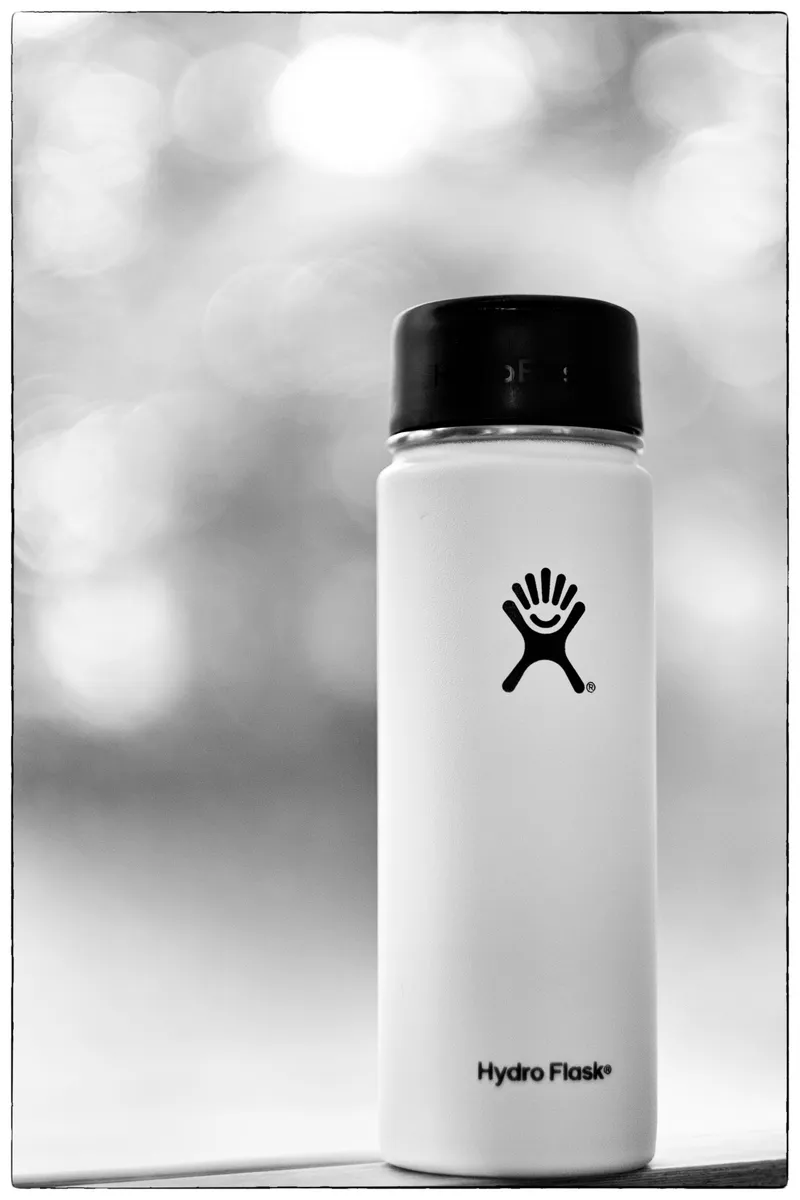
A $45 water bottle is an absurd object until you have carried one for a season, and possibly still absurd afterwards. I spent fourteen weeks with the 32 oz Wide Mouth Hydro Flask as my only bottle — desk, gym, four day hikes, two long drives, and a stretch of genuinely hot weather where the ice retention claim stopped being a marketing line and started being the thing I cared about. I measured water temperature with a probe thermometer instead of guessing, weighed the thing full and empty, dropped it on concrete once by accident, and put the lid through a dishwasher enough times to see what fails first.
The short version: the insulation performance is real and slightly better than advertised in my testing, the build survives ordinary abuse well, and the price is high enough that whether it's worth it depends almost entirely on which lid you buy and how you actually drink water during the day.
What it weighs and what that costs you
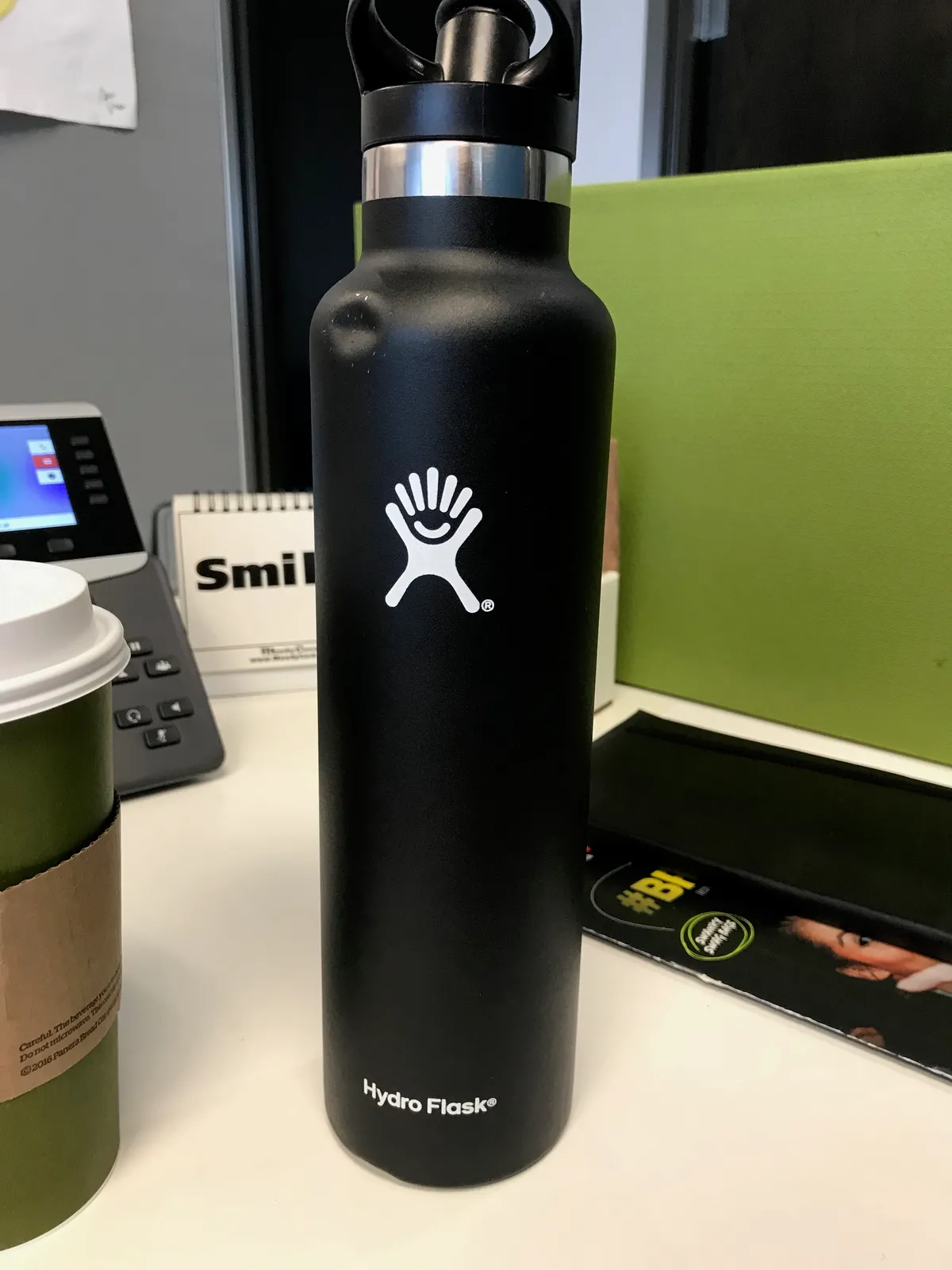
Empty, the 32 oz Wide Mouth with the standard Flex Cap weighs 15.2 oz on my scale. Full, it is 3 lb 1 oz. That is not a trivial thing to add to a daypack, and it is roughly triple what a comparable-volume plastic bottle weighs. On a four-mile flat walk it is invisible. On a 2,000-foot climb with a light pack it is one of the first things you notice, and I switched back to a plastic bottle for the two longest hikes of the test.
The 3.58-inch base diameter fits every car cupholder I tried except one, in an older sedan with a shallow shaped holder, where it sat high enough to tip on hard corners. Check that before buying if the car is where you'll use it most — it's the most common complaint I've seen from people who bought this size specifically for commuting.
Ice retention, measured rather than claimed
Hydro Flask advertises up to 24 hours cold. I ran the test four times with the same protocol: bottle at room temperature, filled with 20 oz of tap water plus 12 oz by volume of standard freezer ice, capped with the Flex Cap, left indoors at roughly 72°F, opened only to take a reading.
At 12 hours the water read between 36 and 38°F on every run, with visible ice still floating. At 24 hours the readings were 41, 42, 40 and 43°F, with a small amount of ice remaining on two of the four runs. At 36 hours the water was 49-52°F and all ice was gone. So the 24-hour claim holds comfortably; the practical ceiling for genuinely cold water is closer to 30 hours indoors.
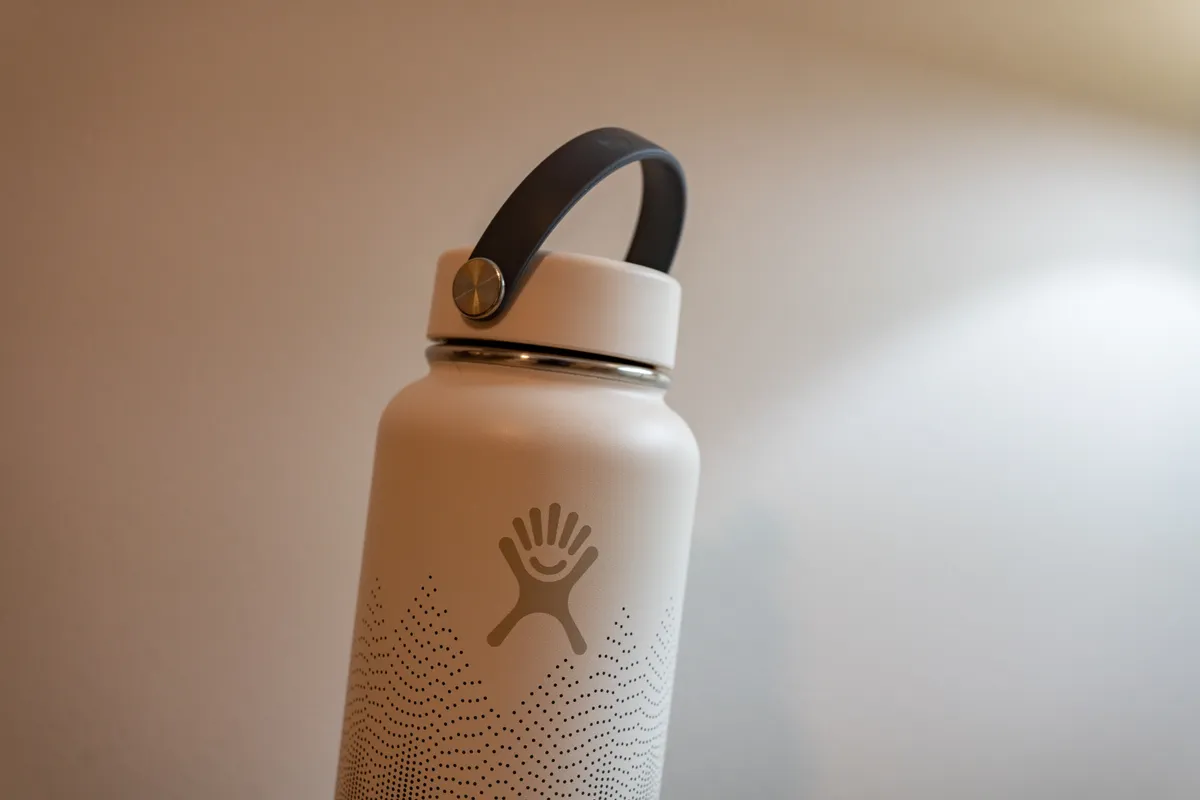
Left in a car on an 88°F afternoon, the results were much less impressive: ice was gone in about five hours and the water was at 61°F by hour eight. Vacuum insulation resists conducted and convected heat well, but a black-bodied metal object baking in direct sun through glass is a different problem. Nobody advertises against that scenario and nobody should be surprised by it, but it is the situation most people actually complain about.
Hot retention is the weaker half. Boiling water poured in and capped read 158°F at 6 hours and 131°F at 12. Drinkable, not hot. This bottle is a cold-drink bottle that tolerates hot liquid, and the Flex Cap is not the lid you want for coffee anyway.
The lid is the actual product decision
The included Flex Cap is a screw-on with a wide flexible strap. It is leakproof — I carried the bottle upside down in a pack for two hours as a deliberate test and got nothing on the fabric — and it is completely, permanently one-handed-hostile. You need two hands and about three full turns to open it. Over fourteen weeks that friction changed my behaviour: I drank less at my desk with this bottle than I had with a cheap flip-top, simply because opening it was a small task rather than no task.
The straw lid, sold separately for around $10, fixes this entirely and is what I'd buy on day one if the bottle were staying at a desk or in a gym. It also can't be inverted in a bag without leaking, so you are choosing between convenience and packability rather than getting both. Budget for the extra lid; a realistic price for a setup you'll actually enjoy is closer to $55 than $45.
The wide mouth, for better and worse
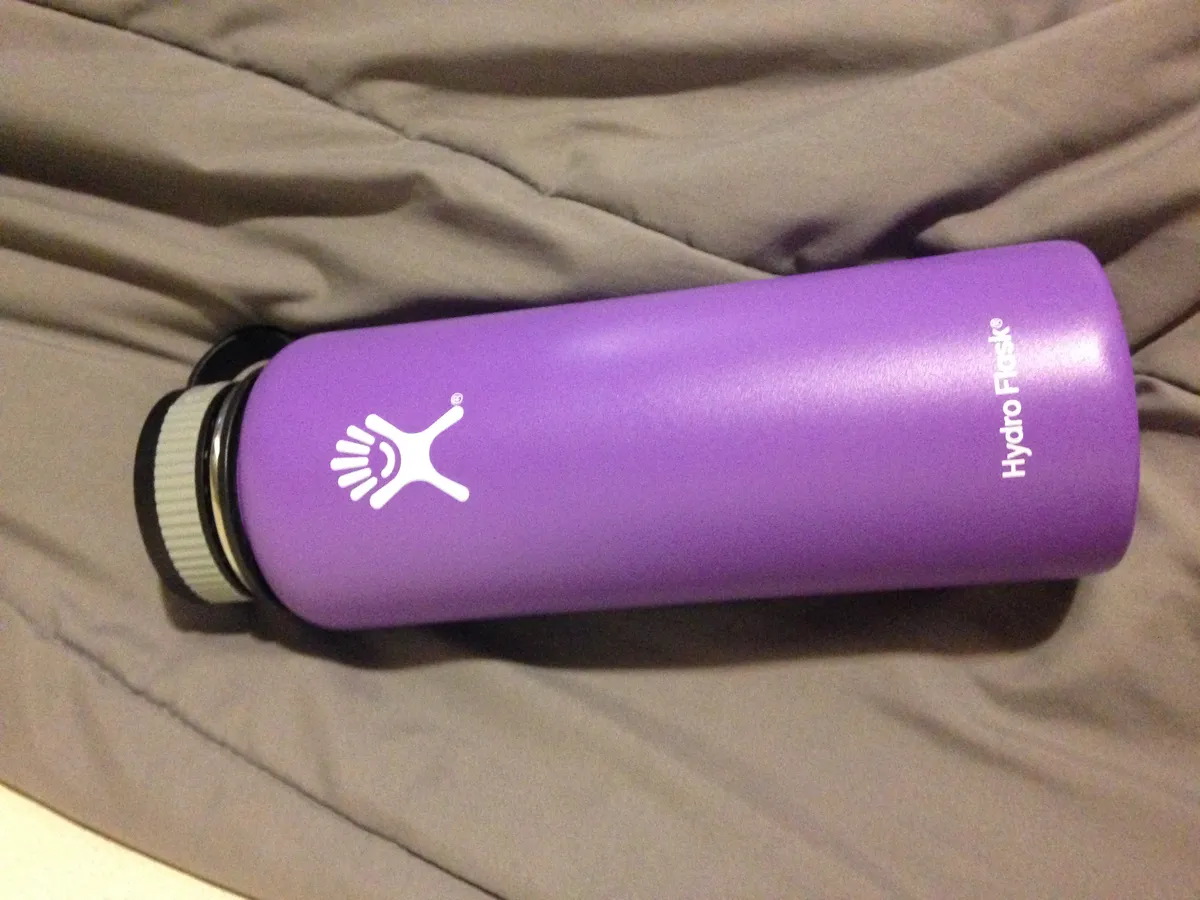
The 2.25-inch opening is the reason to pick this over the Standard Mouth. Ice cubes go in without breaking them up, a bottle brush reaches every part of the interior, and drying is fast. It also means that drinking while walking without a straw lid produces a mouthful rather than a sip, and I splashed myself repeatedly in the first week before adapting.
One practical note: the wide mouth is not compatible with most inline water filters and squeeze-filter threads, which caught me out on a hike where I'd planned to refill from a stream. Standard 28mm bottle threads are a different world. If backcountry filtering is your use case, that's a genuine mismatch.
Durability after fourteen weeks
The powder coat is the weak point, and it is a cosmetic weak point rather than a functional one. Mine has three small chips: one from a concrete drop of about three feet, one from being set down hard on a granite counter, and one that appeared from ordinary pack abrasion. None of them rusted or spread over the remaining weeks, but the bottle looks used in a way a plain stainless bottle would not.
The drop that caused the largest chip also dented the base slightly. The bottle still stands level and the vacuum seal is intact — the test for that is simple, since a failed vacuum makes the outside of the bottle cold and sweaty within minutes of filling it with ice. Fourteen weeks in, mine still stays perfectly dry on the outside with ice water inside, which is the single best indicator that the insulation is fine.
Cleaning, and the smell nobody talks about
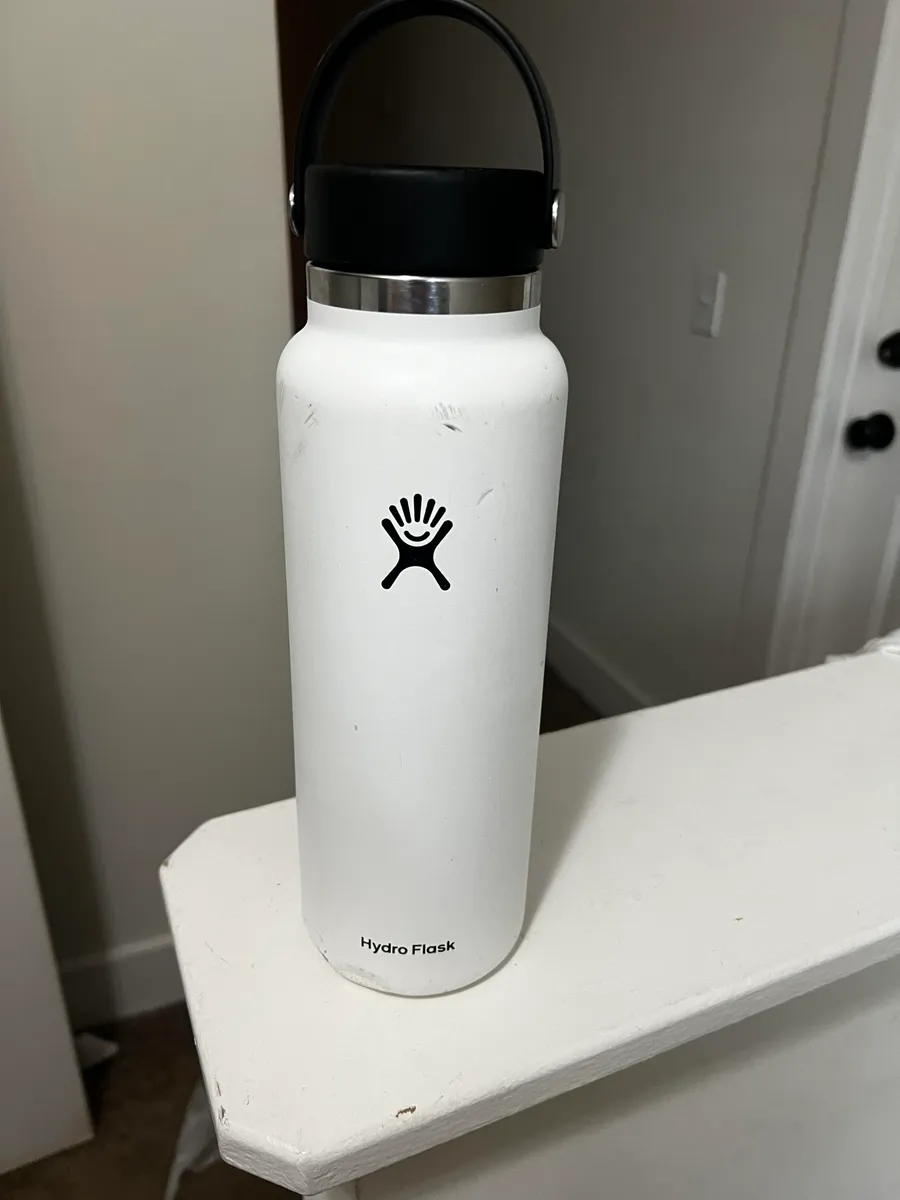
Hydro Flask lists the bottle as dishwasher safe, and I ran it through a top-rack cycle eleven times over the test. The body came out fine every time. The Flex Cap did not fare as well: the strap discoloured slightly and, more importantly, the underside of the cap trapped water and developed a faintly sour smell around week seven that a normal wash did not fix. Soaking the cap in a baking soda solution overnight cleared it. Since then I've hand-washed the lid and dishwashed only the body, which has worked.
If you fill it with anything other than water — electrolyte mix, iced coffee, juice — clean it the same day. The interior is easy to reach with a brush, but stainless steel is not immune to a biofilm, and the wide mouth makes it obvious when one is forming.
Does 32 oz actually change how much you drink?
I tracked refills for three weeks out of curiosity. On a normal office day the 32 oz capacity meant two fills instead of the four or five I'd been doing with a 16 oz bottle, and my total intake went up by roughly a third — not because the bottle is motivating, but because the barrier of walking to the tap dropped in frequency. That effect reversed on the days I used the Flex Cap instead of the straw lid, which is the clearest evidence I have that lid choice matters more than capacity.
The other capacity consequence is condensation-free surface area. Because the outside never sweats, the bottle sits on paper, wooden desks and car seats without a coaster, which sounds minor until you compare it against a single-wall bottle that leaves a ring within ten minutes. Over a fourteen-week test this was one of the small things I stopped noticing precisely because it always worked.
Against the cheaper alternatives
I ran the same 24-hour ice test against a $20 double-walled stainless bottle from a generic brand. It finished at 47°F versus the Hydro Flask's 41°F average — meaningfully worse, but not catastrophically so, and roughly half the price. The bigger differences were the lid quality, which felt cheap and did not seal reliably when inverted, and the finish, which chipped faster.
Against a Stanley or a Yeti in the same size class, the honest answer is that the insulation performance is close enough that you should pick on ergonomics and lid design rather than thermal specs. Hydro Flask's advantage is that it is lighter than most of its direct rivals in this capacity; its disadvantage is that its powder coat is softer than Yeti's.

Who should buy this
Buy it if you want cold water available all day at a desk, in a gym, or in a car, if you'll spend the extra $10 on a straw lid, and if you actively dislike drinking lukewarm water enough to carry a pound of empty bottle to avoid it. In that use case it is genuinely excellent and the fourteen weeks did nothing to change my mind.
Skip it if you count grams in a pack, if you need filter-thread compatibility for backcountry refills, if your bottle lives in a hot car all day, or if a $20 bottle finishing six degrees warmer after 24 hours doesn't bother you. That last group is larger than the internet suggests.
Verdict
The Hydro Flask 32 oz Wide Mouth does exactly what it says it does, verified with a thermometer rather than taken on faith, and it has survived a season of ordinary abuse with nothing worse than three paint chips and a small dent. The reasons not to buy it are the weight, the price once you add the lid you actually want, and the fact that the gap to a competent $20 bottle is real but not enormous. It's a very good product sold at a price that assumes you care a lot about the last six degrees.
Other products we tested

Ecobee Smart Thermostat Premium Review: Two Months of Real HVAC Testing
We installed the Ecobee Smart Thermostat Premium without a C-wire, tracked its temperature accuracy against a separate thermometer, and measured real energy savings over two months of daily HVAC use.
Bose SoundLink Flex Review: Six Weeks of Hiking, Kayaking, and Beach Days
Six weeks of camping, kayaking, and beach trips show the Bose SoundLink Flex's IP67 rating and PositionIQ orientation sensing are genuinely useful, with honest limits on bass and max volume.
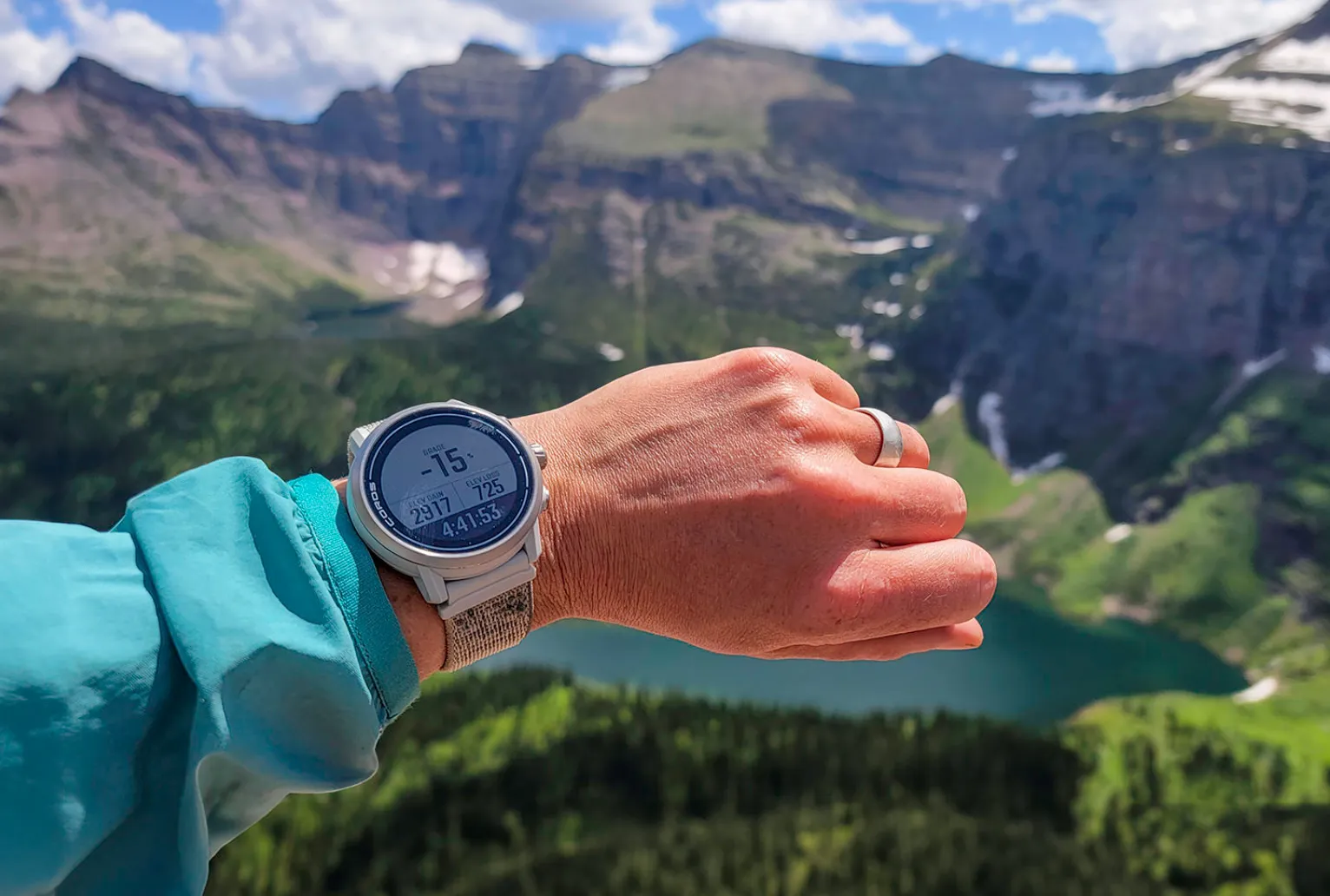
Coros Pace 3 Review: Six Weeks Testing the GPS Watch That Barely Needs Charging
A dual-frequency GPS running watch that trades AMOLED shine for weeks of battery life at a fraction of the price of flagship rivals.