
Graco 4Ever DLX All-in-One Car Seat Review: One Seat, Four Growth Stages
We lived with the Graco 4Ever DLX through rear-facing, forward-facing, and booster conversions to see whether one seat can genuinely replace three separate purchases.
- Genuinely spans rear-facing, forward-facing, high-back booster, and backless booster
- Anti-rebound bar and multi-position recline improve rear-facing stability
- Booster mode routes the seatbelt correctly across chest and collarbone
- Machine-washable cover doesn't require re-threading the harness
- Longer rear-facing and forward-facing limits than many standalone seats
- Large and heavy; hard to fit three across a back seat
- First install takes significantly longer than a simpler infant-only seat
- Harness buckle needs periodic cleaning to avoid sticking
- LATCH fit consistency varies noticeably between vehicles
- Cupholders are a separate add-on, not included standard
Buying one car seat that's supposed to last from infancy through the booster years sounds like a marketing gimmick until you actually price out the alternative: three separate seats bought and discarded as a child outgrows each stage. The Graco 4Ever DLX promises to be the one purchase, converting through four modes from rear-facing harness to forward-facing harness to a high-back booster and finally a backless booster, all in a single shell. We installed one in a family sedan and lived with it through a rear-facing infant, then reconfigured it as our older child moved into forward-facing and eventually booster mode, to see whether a seat built to do everything actually does any one stage well.
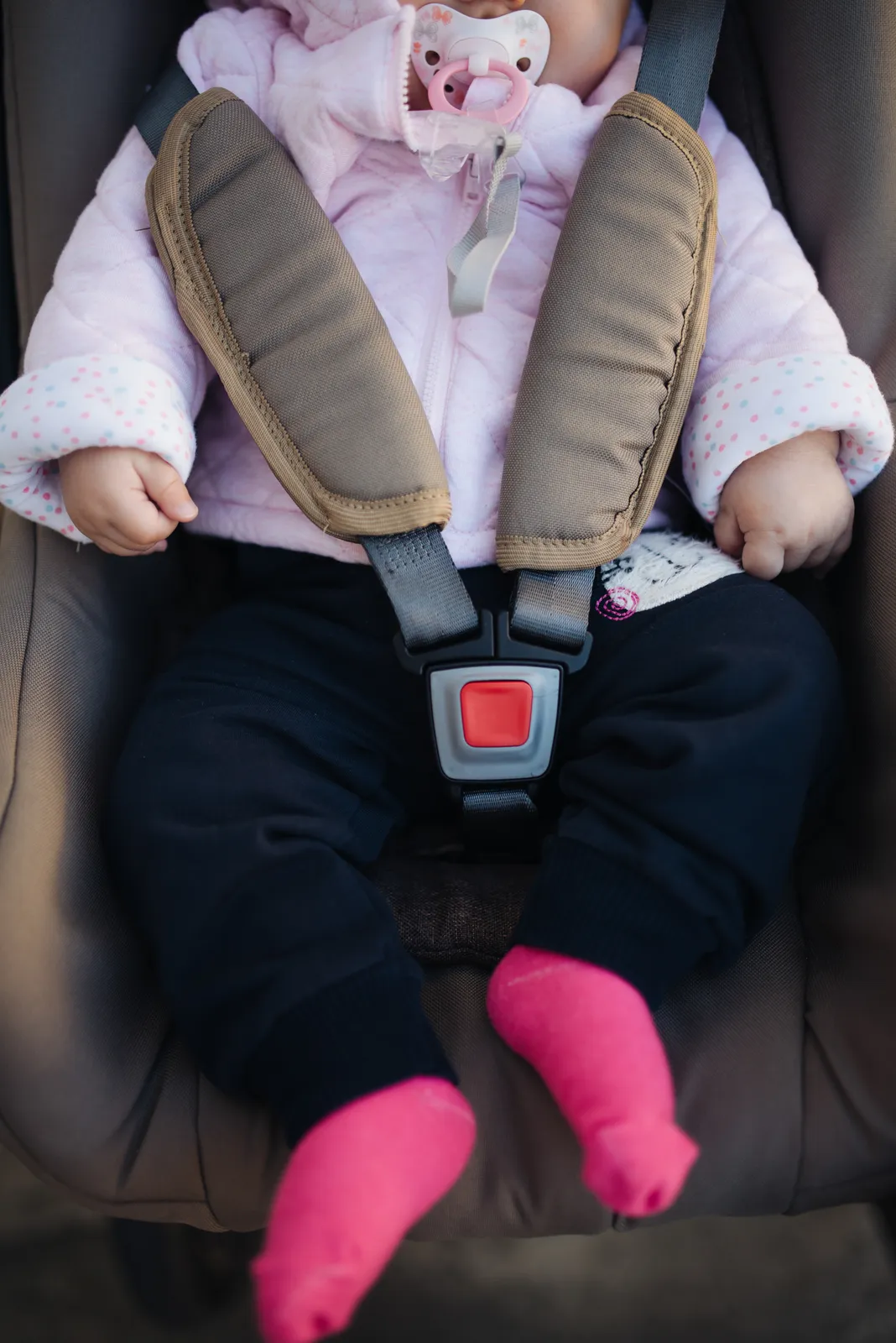
First impressions: a genuinely big piece of furniture
The 4Ever DLX is large. Even before installation, it's noticeably heavier and bulkier than a dedicated infant seat or a standalone booster, and that size is the direct tradeoff for covering four different growth stages in one shell. Getting it out of the box and into the car for the first time took close to forty minutes, working through the manual's rear-facing harness routing, the recline angle adjustment, and the anti-rebound bar that Graco includes for extra stability in rear-facing mode, none of which are difficult individually but which add up to a genuinely longer first install than a simpler infant-only seat. The fabric and padding feel appropriately premium for the price point, with a machine-washable cover and harness pads that held up to spills and the inevitable car-sickness incident without staining permanently.
Rear-facing mode: the infant and toddler years
We installed the seat rear-facing using the vehicle's LATCH anchors, which the 4Ever DLX supports up to a stated weight limit before requiring a switch to seatbelt installation, a detail worth checking against your specific vehicle's LATCH weight limits since many cars cap combined child-plus-seat weight lower than the seat's own rated maximum. The recline adjustment has multiple positions specifically for rear-facing use, and getting the correct angle for a younger infant versus an older rear-facing toddler required actually consulting the built-in bubble level and adjusting between visits to the pediatrician, rather than a "set it once and forget it" install. In practice, rear-facing lasted well over a year in our test vehicle before the child approached the seat's rear-facing height and weight limits, which is longer than several dedicated infant seats manage and one of the real practical arguments for buying this style of convertible seat rather than a smaller infant carrier that gets outgrown faster.
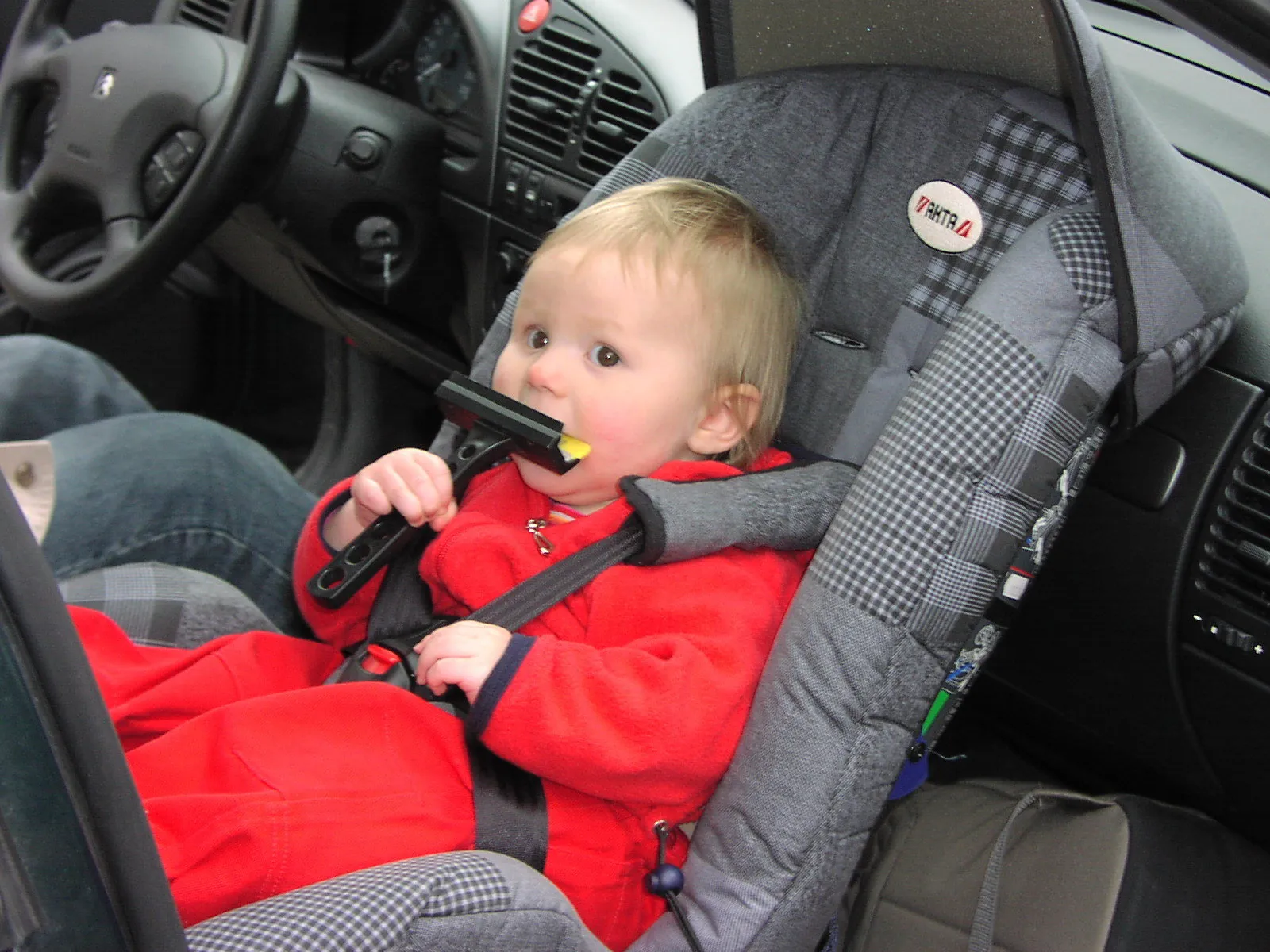
Forward-facing mode: the conversion and the tether question
Switching to forward-facing mode meant reconfiguring the harness routing through a different set of slots, repositioning the headrest, removing the anti-rebound bar, and attaching the top tether strap to the vehicle's dedicated tether anchor, a step that's easy to forget and that a genuinely alarming number of parents skip according to the child-passenger-safety literature we read while researching this review, since an unused tether meaningfully increases forward head movement in a crash. The conversion itself took about fifteen minutes once we'd done it, faster than the initial rear-facing install simply because we understood the harness system by then. Forward-facing, the 4Ever DLX supports a child up to a considerably higher weight and height limit than most standalone forward-facing seats, which again is the core value proposition: fewer total seat purchases as a child grows, provided you're diligent about re-checking the harness position as they grow taller between adjustments.
The booster conversion: where the seat earns or loses its keep
Converting to booster mode means removing the internal harness system entirely and switching to the vehicle's own seatbelt routed through the seat's built-in belt guides, and this is the step that separates a seat that's genuinely useful for four stages from one that's just a bigger, more expensive booster with extra steps. The high-back booster mode kept the same shell height and side-impact wings as the harnessed modes, which meaningfully improved comfort for a child who wanted to nap on longer drives compared to a bare booster cushion, and the belt guides positioned the shoulder belt correctly across our child's chest and collarbone rather than across the neck, a common complaint with cheaper booster-only seats that don't account for a range of torso heights.
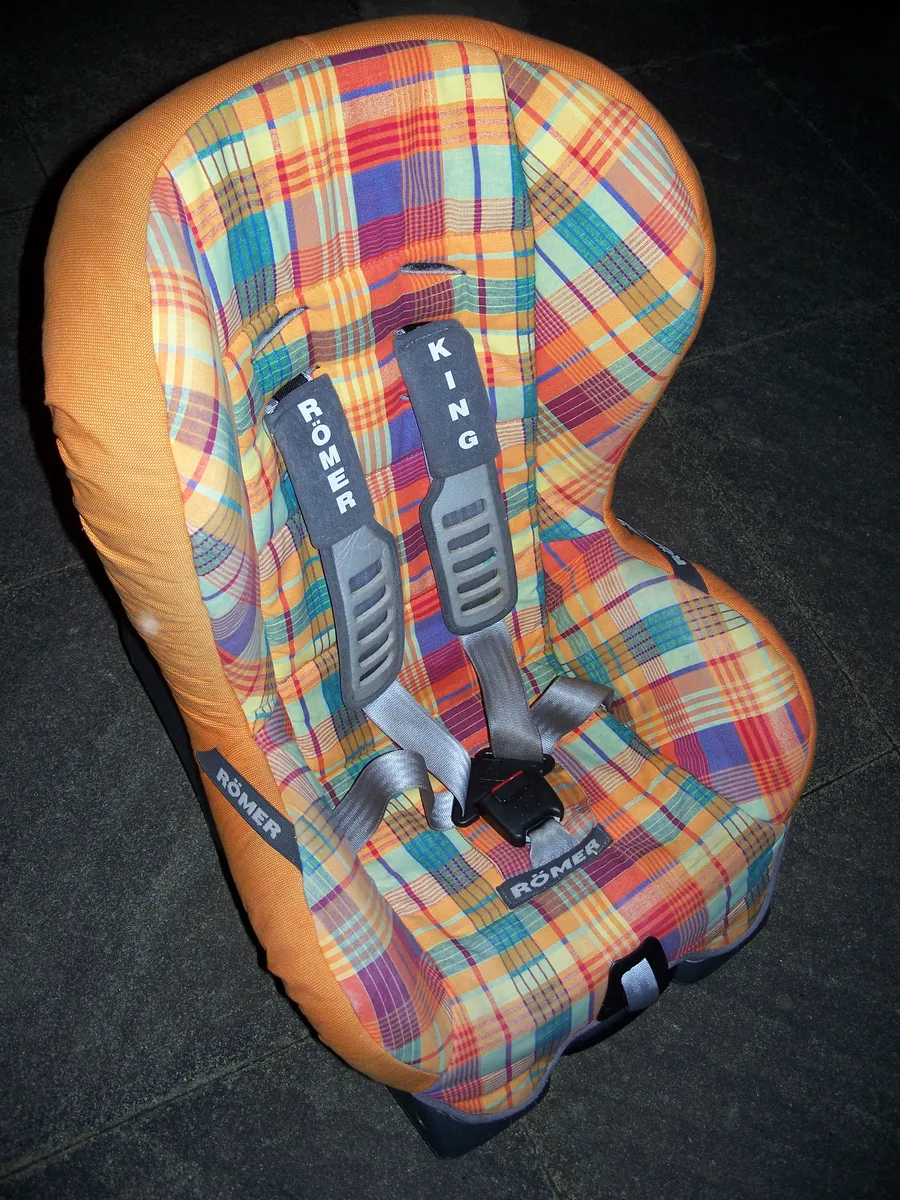
Eventually removing the back and headrest entirely for backless booster mode, the fourth and final stage, turned the same shell into a slim cushion that raises a bigger child enough for the seatbelt to fit correctly across their body without the bulk of a full seat back. This is meant for the oldest kids the seat serves, generally once they're tall and mature enough to sit properly upright for a whole trip without the side support of a high-back mode, and it's the stage where the size advantage that felt like a liability during the bulky rear-facing install finally pays off, since you're not buying a fourth separate product for this final stage.
Fit, size, and the three-across problem
The 4Ever DLX's size, an asset for growing with a child, is a real liability for anyone trying to fit three car seats across a back seat, or even two of these alongside a third narrower seat. In our mid-size sedan test vehicle, two 4Ever DLX seats side by side in the back row left almost no usable space for a middle passenger, and families with three children needing car seats simultaneously should measure their specific vehicle's back seat width carefully before buying more than one of these; a narrower, more compact convertible seat is often the better choice for exactly this multi-child, single-vehicle scenario, even at the cost of one extra seat purchase down the line.
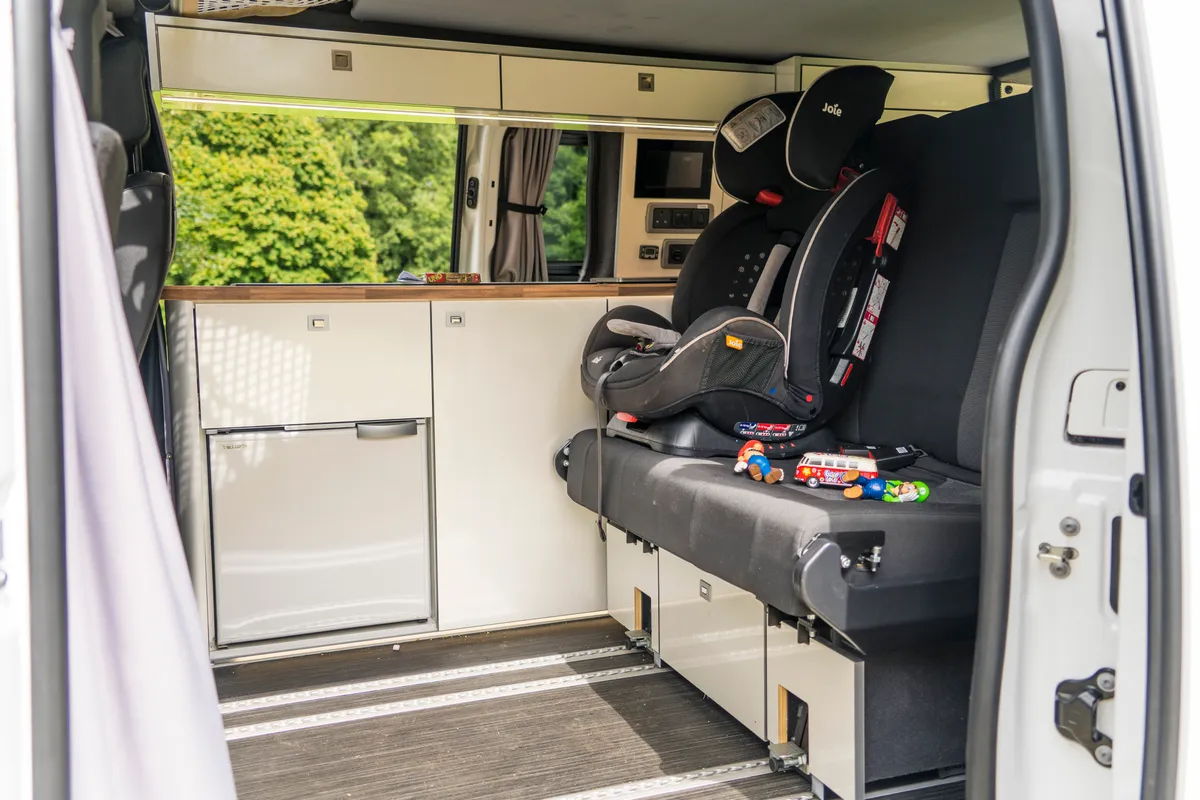
Cleaning, spills, and long-term wear
Across roughly a year and a half of testing spanning multiple conversion stages, the seat weathered the predictable indignities of raising small children in a car: spilled juice boxes, a memorable motion-sickness incident on a mountain road, crushed crackers ground into every crevice of the harness buckle. The cover comes off for machine washing without needing to fully re-thread the harness system, a genuinely useful design detail that some competing seats get wrong by requiring a full harness re-strap every time the cover needs cleaning. The harness buckle itself did require the occasional rinse-and-dry cycle to clear out sticky residue that briefly made it harder to click closed, a known maintenance point on nearly every harnessed car seat rather than a defect specific to this one, but worth building into your routine cleaning rather than ignoring until the buckle actually sticks in the middle of a parking lot.
Installation consistency across vehicles
We also tested the same seat installed in a second, smaller vehicle partway through the review period, and the LATCH installation was noticeably harder to get a fully tight fit in the smaller car's more compact anchor spacing, requiring more of the seatbelt-locking-clip technique than the LATCH system in our primary test vehicle. This is a reminder that "how easy is this seat to install" doesn't have one universal answer independent of the specific vehicle it's going into, and prospective buyers whose household includes multiple cars or regular grandparent-vehicle transfers should ideally test-fit before committing, rather than assuming an install that's easy in one car will be equally easy in another.
Comfort on long drives
Beyond pure safety mechanics, comfort matters more than most car seat reviews admit, since a genuinely uncomfortable seat means more fighting and more crying on long trips regardless of how well it protects in a crash. The padding in both harnessed modes is noticeably thicker than a budget convertible seat we'd previously used, and the recline range in rear-facing mode meant our infant could actually nap without their head slumping forward uncomfortably, something the anti-rebound bar's stability seemed to help with indirectly by keeping the whole seat steadier over highway expansion joints and rougher pavement. In forward-facing and booster modes, the cupholder attachments, sold as an add-on rather than included standard, turned out to be one of the more genuinely useful accessories we added partway through testing, cutting down on spilled drinks that would otherwise end up soaked into the seat's fabric and padding.
Who this seat is actually for
The 4Ever DLX makes the most sense for a family with one car seat slot to fill per vehicle over many years, who want to buy once and reconfigure rather than repurchase at each growth stage, and who have the back seat space to accommodate a genuinely large shell through its early rear-facing and forward-facing stages. It's a weaker fit for families needing to fit three seats across one row, for anyone prioritizing the lightest, most portable seat for frequent installs and removals across multiple cars or rideshares, or for a grandparent's car used only occasionally, where a simpler, smaller seat dedicated to one stage is easier to manage.
The verdict
Living with the 4Ever DLX across rear-facing, forward-facing, and booster conversions confirmed the core pitch: it genuinely covers a child's full car seat life in one purchase, with solid safety-relevant details like the anti-rebound bar, correct booster belt routing, and washable covers that don't require a full harness re-strap. The size and weight that make it a long-term value are a real downside for tight back seats or multi-child households needing three seats across one row, and the harness buckle needs occasional cleaning to stay reliable, but as a single seat meant to grow with one child from infancy through the booster years, it delivers on a promise a lot of "convertible" seats only partially keep.
Other products we tested
Ecobee Smart Thermostat Premium Review: Two Months of Real HVAC Testing
We installed the Ecobee Smart Thermostat Premium without a C-wire, tracked its temperature accuracy against a separate thermometer, and measured real energy savings over two months of daily HVAC use.

Bose SoundLink Flex Review: Six Weeks of Hiking, Kayaking, and Beach Days
Six weeks of camping, kayaking, and beach trips show the Bose SoundLink Flex's IP67 rating and PositionIQ orientation sensing are genuinely useful, with honest limits on bass and max volume.
Coros Pace 3 Review: Six Weeks Testing the GPS Watch That Barely Needs Charging
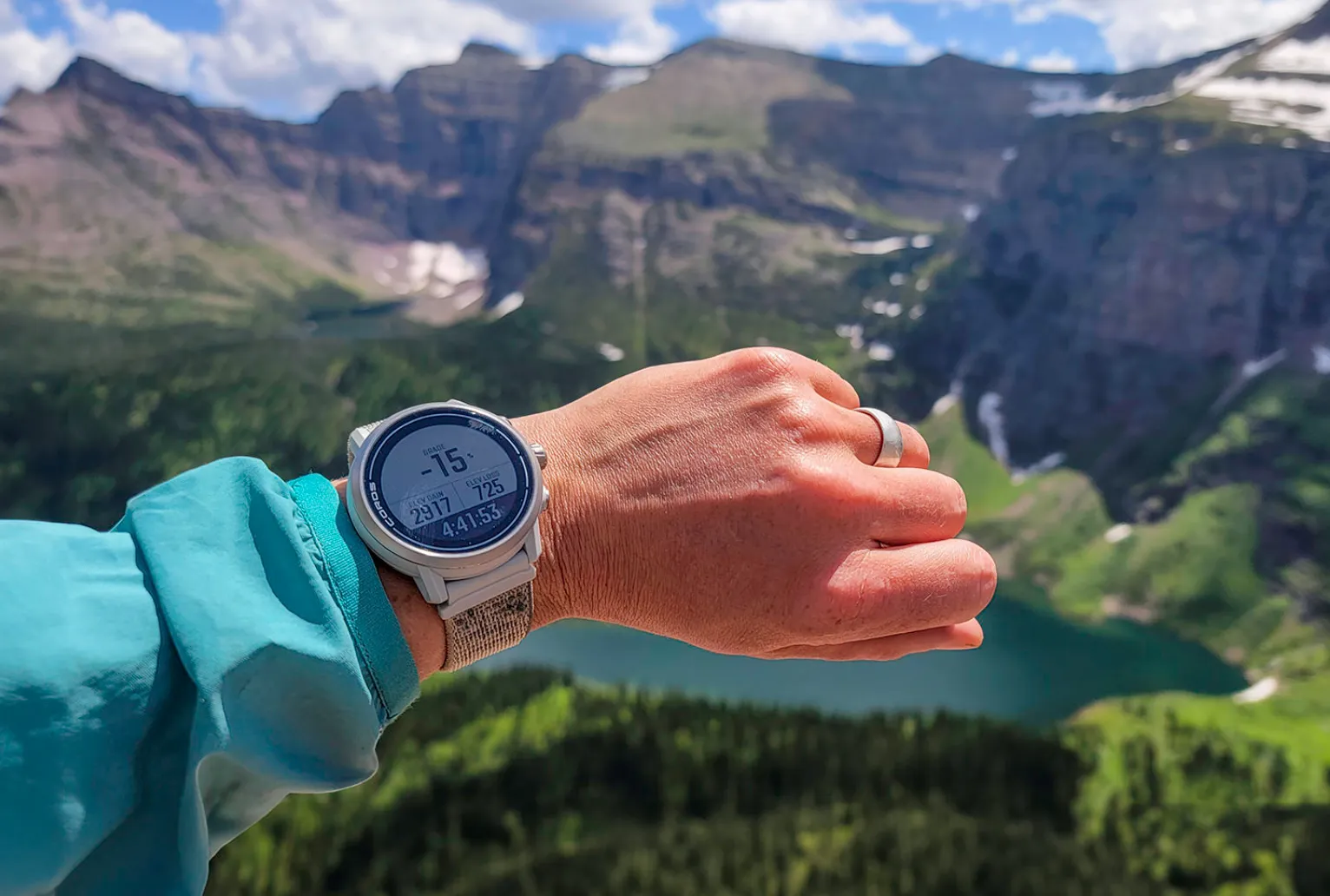
A dual-frequency GPS running watch that trades AMOLED shine for weeks of battery life at a fraction of the price of flagship rivals.