
CeraVe Moisturizing Cream Review: An 8-Week Test Across Two Skin Types
CeraVe's Moisturizing Cream earns its dermatologist reputation for dry, sensitive skin, but the rich tub formula is the wrong pick for oily or combination skin — reach for the lighter lotion instead.
- Ceramide-plus-hyaluronic-acid formula noticeably reduced dry-skin flaking
- Fragrance-free and non-comedogenic — zero irritation across two testers
- Among the cheapest ceramide moisturizers per ounce we've found
- Layers cleanly under makeup and sunscreen once absorbed
- Performs identically on body use, not just facial skin
- Heavy tub formula is too rich for daytime use on oily or combination skin
- Wide-mouth jar isn't ideal for shared-bathroom hygiene without a pump
- Takes weeks, not days, to visibly improve rough patches
- Contains phenoxyethanol, an occasional irritant for some users
- Lighter lotion version is sold separately and often overlooked
CeraVe's Moisturizing Cream has become the internet's default answer to "what moisturizer should I use," recommended by dermatologists on social media almost as reflexively as sunscreen. That kind of universal praise makes us suspicious — a product that's supposedly perfect for everyone usually isn't perfect for anyone in particular. We used it as a daily face and body moisturizer for eight weeks across two testers with different skin types (one dry and sensitive, one combination/oily-prone) to see if the reputation holds up outside of comment sections.
The formula, and why dermatologists actually recommend it
The core of CeraVe's pitch is three ceramides (1, 3, and 6-II) plus hyaluronic acid, developed with input from dermatologists rather than purely a marketing formulation. Ceramides are lipids your skin barrier needs to retain moisture and block irritants, and they're genuinely depleted by things like harsh cleansers, over-exfoliation, and cold weather — which is why a lot of dermatologists reach for ceramide-based creams as a default recommendation rather than something more exotic. The cream also uses CeraVe's patented MVE delivery technology, which releases the moisturizing ingredients gradually over time rather than all at once, and is the reason the brand markets it as "24-hour hydration" rather than an immediate, short-lived cooling effect.
How it actually performed on dry, sensitive skin
For our dry-skin tester, the difference was noticeable within about a week: flaking around the nose and eyebrows that had been a persistent low-grade issue for months visibly reduced, and the tight, uncomfortable feeling after washing the face was gone almost immediately after application. Applied to rough patches on elbows and knees, it took closer to three weeks of twice-daily use before visible improvement, which tracks with how slow-acting ceramide repair genuinely is compared to something like a lactic acid lotion that resurfaces skin faster but doesn't address the underlying barrier issue the same way.
How it performed on combination and oily-prone skin
This is where the internet's blanket recommendation gets more complicated. Our combination-skin tester found the standard jar formula noticeably heavy for daytime use under makeup — it sat on top of the skin for a good 10-15 minutes before fully absorbing, and on warmer days it contributed to visible shine by midday. CeraVe sells a separate "Facial Moisturizing Lotion" (not the cream tested here) specifically formulated lighter for exactly this skin type, and after switching our combination-skin tester to that lighter version for daytime, the shine and sit-time issue mostly resolved. The lesson: the famous CeraVe Moisturizing Cream in the tub is genuinely built for dry to very dry skin, and recommending it universally without mentioning the lighter lotion versions is where a lot of the internet advice oversimplifies.
Fragrance, irritation, and sensitivity testing
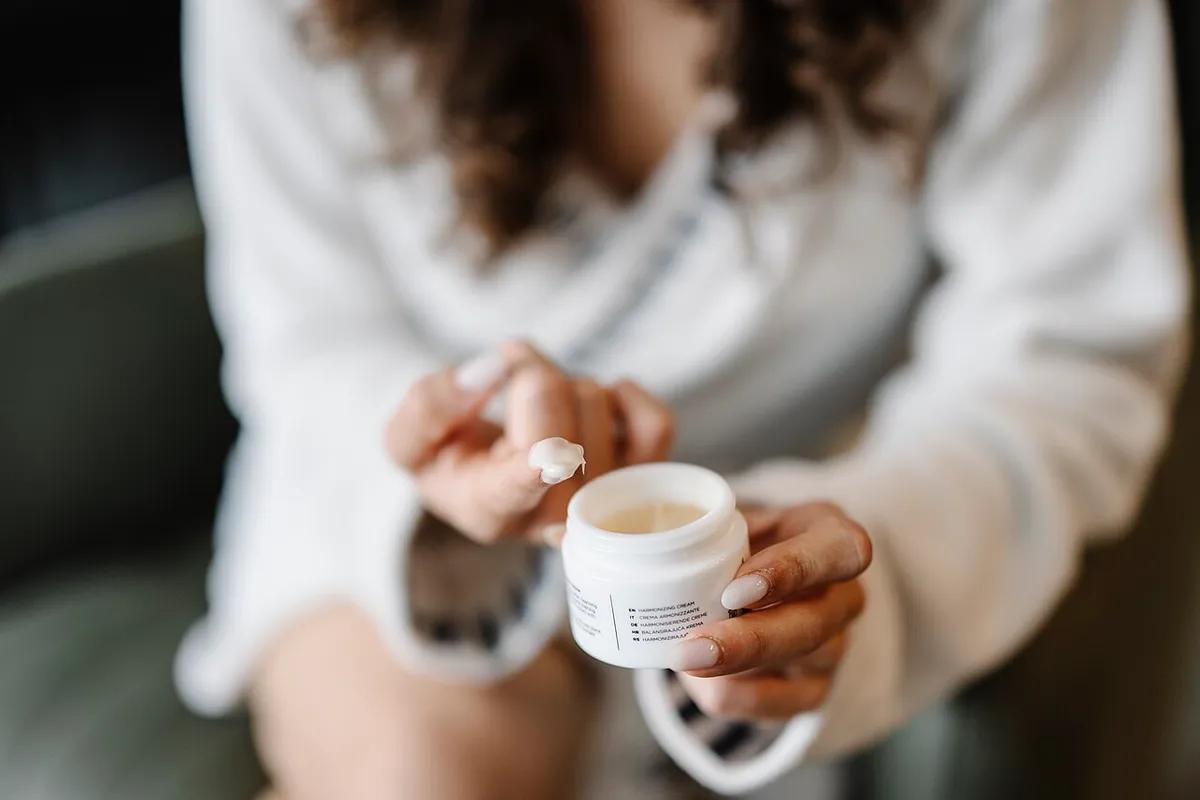
The formula is fragrance-free and non-comedogenic, and over eight weeks neither tester experienced breakouts attributable to the cream, including the combination-skin tester who is normally cautious about heavier moisturizers clogging pores. Our sensitive-skin tester, who reacts to several common preservatives, had no irritation, redness, or stinging on application — a meaningfully different experience than a retinol-adjacent moisturizer we tested previously that caused mild tingling for the first two weeks. If you have a known sensitivity to specific preservatives, it's still worth checking the ingredient list (it contains phenoxyethanol, a common but occasionally reactive preservative), but broadly this is one of the more universally tolerated formulas we've tested.
Packaging and getting the product out of the tub
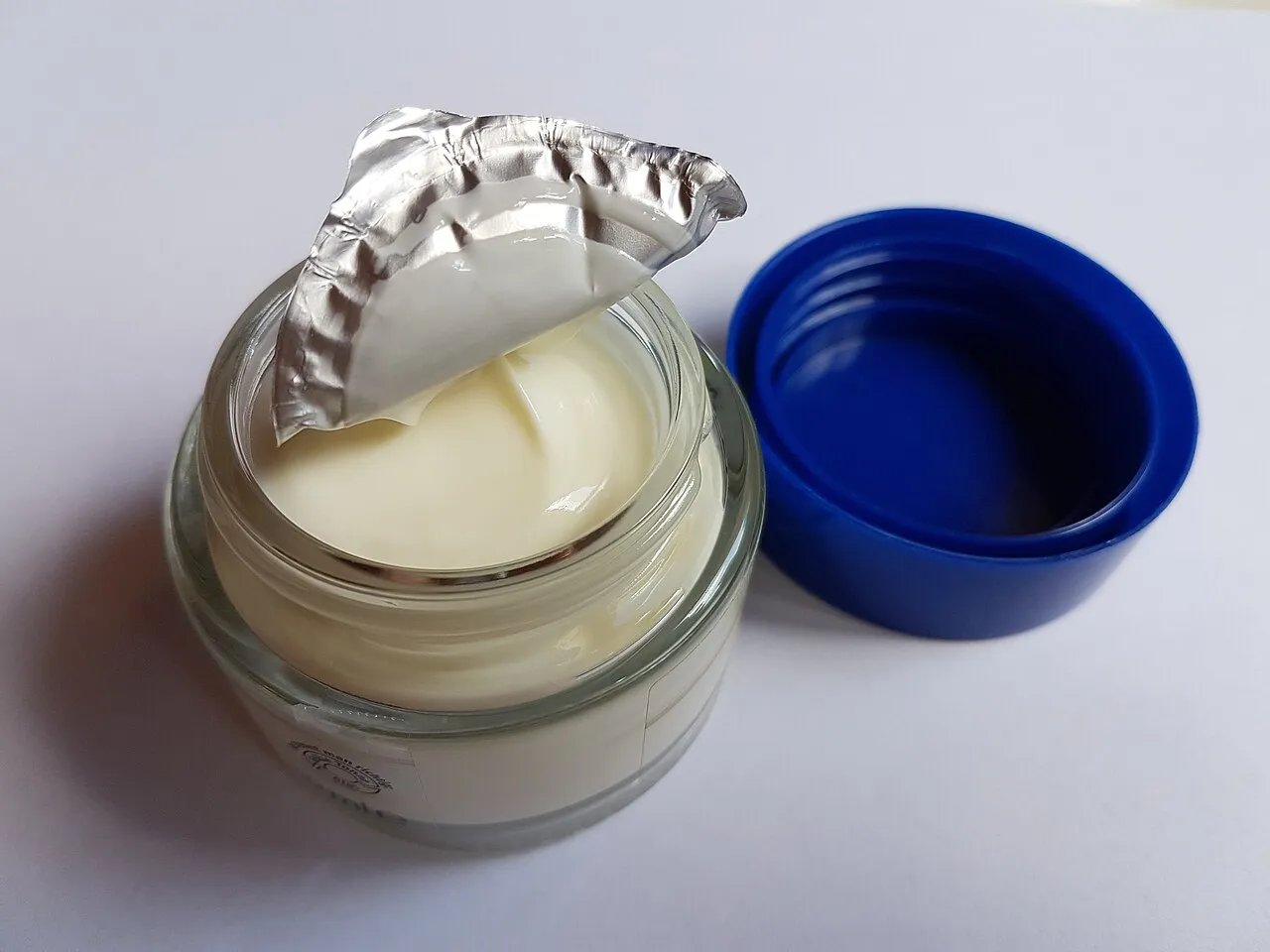
The 16 oz and larger tub sizes use a wide-mouth jar rather than a pump, which is a genuine usability downside: fingers going in and out of a shared jar isn't ideal from a hygiene standpoint, especially in a household bathroom used by more than one person. CeraVe does sell pump-top versions in smaller sizes and a dedicated pump dispenser accessory that screws onto the tub, and after switching to the pump accessory partway through testing, application became noticeably cleaner and easier to portion consistently — we'd consider that pump a near-mandatory add-on rather than an optional nicety.

Price versus comparable ceramide moisturizers
At roughly $1-1.20 per ounce depending on tub size and retailer, CeraVe undercuts most other ceramide-based moisturizers we're aware of by a meaningful margin — competitors with similar ceramide-plus-hyaluronic-acid formulations often run two to three times the per-ounce price for marketing and packaging rather than a meaningfully different formula. For the specific combination of ingredients and the dermatologist-backed formulation approach, we didn't find a comparable product at a lower price point during our research.
Using it under makeup and sunscreen
For our dry-skin tester, applying makeup over the cream roughly 15 minutes after application worked without noticeable pilling, a common frustration with heavier moisturizers where foundation balls up and slides rather than sitting flat. Layering under a chemical sunscreen produced no pilling issues either, though layering under a mineral (zinc-based) sunscreen did occasionally pill slightly if applied before the cream had fully absorbed — waiting the full 15 minutes rather than rushing the routine solved this consistently across a week of deliberately testing the combination.
Body use versus face-only use
Beyond the face, we used the same tub as a body moisturizer on rough patches — elbows, heels, and shins during a dry winter stretch — and found it performed comparably to dedicated body lotions costing significantly more per ounce, without the greasy after-feel some heavier body butters leave on clothing. The trade-off is the same one that limits it for oily-skin facial use: the lack of a pump on larger sizes makes scooping a full-body amount out of the jar more of a production than a pump-dispensed lotion, so factor the pump accessory cost into body-use plans as well, not just facial use.
Shelf life and how the formula held up over eight weeks
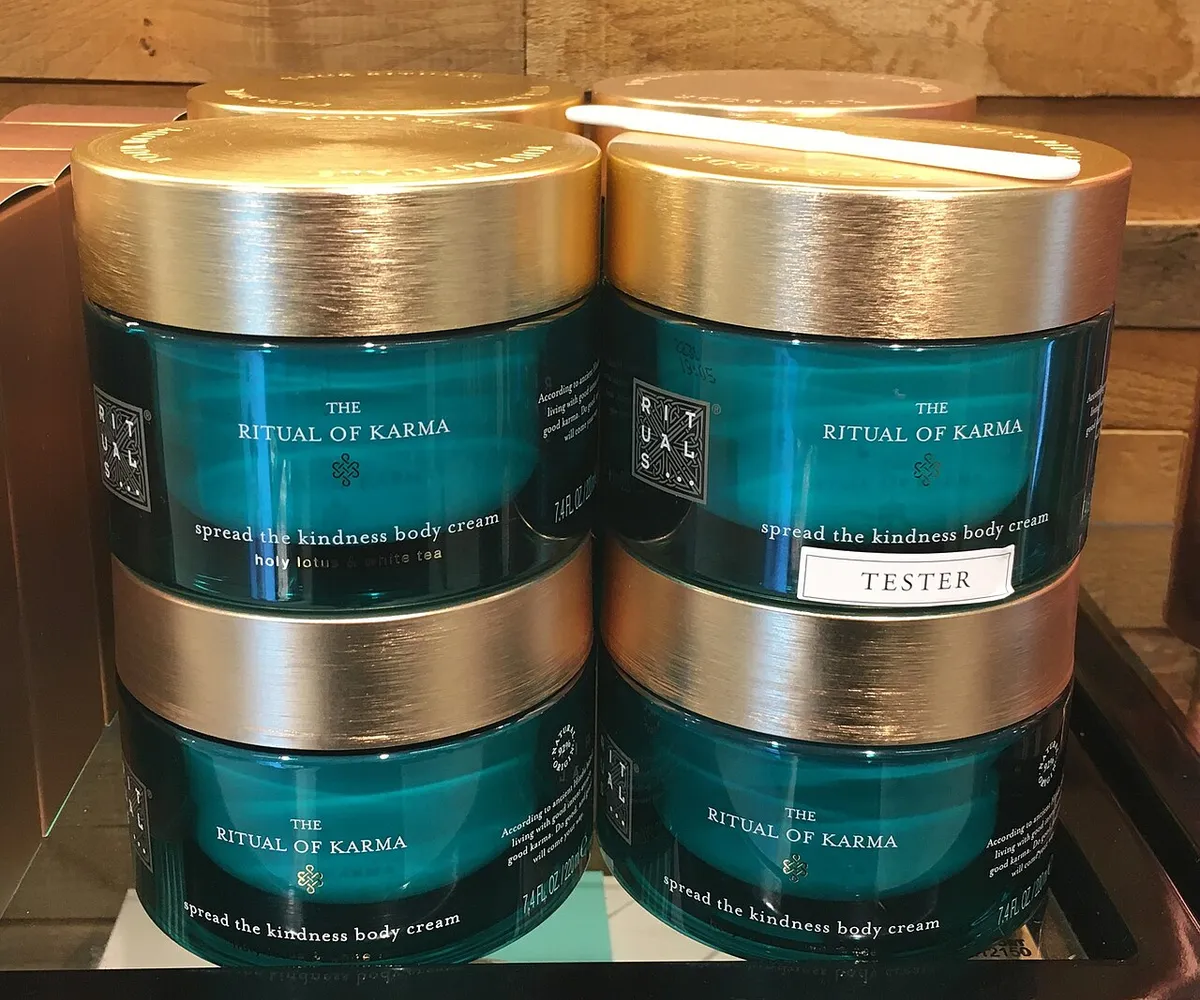
We saw no separation, discoloration, or scent change in the tub over the full eight-week test, consistent with a well-preserved, shelf-stable formulation rather than one that degrades quickly once opened. Storage in a humid bathroom rather than a cooler, drier cabinet didn't visibly affect texture or performance either, for what it's worth to anyone worried about typical bathroom storage conditions degrading the product faster than the printed expiration date suggests.
What dermatologists say versus what we observed
The dermatologist endorsement this product enjoys online is broadly consistent with the barrier-repair mechanism ceramides are understood to provide, and our sensitive-skin tester's lack of any irritation over eight weeks is consistent with that reputation. Where we'd push back gently on the online consensus is the implication that this exact formula is the right choice for every skin type without qualification — our own side-by-side testing between the heavier cream and the lighter lotion line makes clear that CeraVe itself designed different viscosities for different skin types, and skipping that distinction is where a lot of secondhand recommendations oversimplify a genuinely good product line into one-size-fits-all advice it was never meant to be.
Travel size and testing it away from home
CeraVe sells a 3 oz travel-friendly tube alongside the tub sizes, which we carried on a work trip specifically to test whether the formula performed the same outside a home bathroom's humidity and temperature. Performance was identical to the tub at home, and the tube's flip-cap format was meaningfully more convenient than the jar for a hotel bathroom counter — if you're already a fan of the formula but dislike the jar, the tube sizes solve the dispensing complaint entirely, just at a slightly higher per-ounce cost than the large tub.
Patch testing and how we'd recommend trying it yourself
Even with a fragrance-free, dermatologist-developed formula and zero reactions across two testers, we'd still recommend anyone with a history of sensitive or reactive skin patch-test on the inner forearm for 48 hours before full facial use, simply because no eight-week, two-person test can substitute for your own skin's specific history. That's not a knock on this product specifically — it's the same advice we'd give for any new skincare product regardless of its reputation, and it costs nothing but a couple of days of patience before committing a full tub to your daily routine.
Who should buy it, and who should look elsewhere
If your skin runs dry, tight, or flaky — especially through winter months or after harsh cleansing routines — this is a legitimately well-formulated, well-priced option that lived up to eight weeks of daily testing on sensitive skin without a single irritation incident. If your skin runs combination to oily, skip the tub and go directly to CeraVe's lighter facial lotion instead; the ceramide benefits are the same, but the weight and sit-time on skin are a much better match. The blanket "everyone should use CeraVe" advice floating around online is directionally right about the brand, but oversimplified about which specific product in the lineup you actually want.
Other products we tested

Ecobee Smart Thermostat Premium Review: Two Months of Real HVAC Testing
We installed the Ecobee Smart Thermostat Premium without a C-wire, tracked its temperature accuracy against a separate thermometer, and measured real energy savings over two months of daily HVAC use.

Bose SoundLink Flex Review: Six Weeks of Hiking, Kayaking, and Beach Days
Six weeks of camping, kayaking, and beach trips show the Bose SoundLink Flex's IP67 rating and PositionIQ orientation sensing are genuinely useful, with honest limits on bass and max volume.

Coros Pace 3 Review: Six Weeks Testing the GPS Watch That Barely Needs Charging
A dual-frequency GPS running watch that trades AMOLED shine for weeks of battery life at a fraction of the price of flagship rivals.