
Apple Watch Series 10 Review: A Month of Daily Wear
A month of daily wear with the Apple Watch Series 10 shows a thinner case and a genuinely improved wide-angle display, even if the new health features are niche for most owners.
- Thinnest Apple Watch case yet, noticeably better for sleep tracking
- New wide-angle display fixes the old off-axis dimming problem
- Faster on-device Siri processing
- New sleep apnea detection and water temperature sensing
- Broad compatibility with existing Apple Watch bands and accessories
- Battery life still requires daily charging, around 18 hours typical use
- Improvements are evolutionary, not compelling for Series 8/9 owners
- New health features are niche for many users
- Case edge still shows cosmetic wear over time
- iPhone required, no standalone Android compatibility
The Apple Watch has settled into a yearly cadence where each new model is a genuine but incremental refinement rather than a reinvention, and the Series 10 is very much that pattern: a thinner case, a bigger and brighter display, and a couple of new health features layered onto a formula that's been iterating for close to a decade. We wore the Series 10 daily for a month, swapping it in as our primary watch from an older Series 7, through workouts, sleep tracking, swimming, and ordinary daily wear, to see whether the changes add up to a meaningful upgrade or just another yearly refresh.
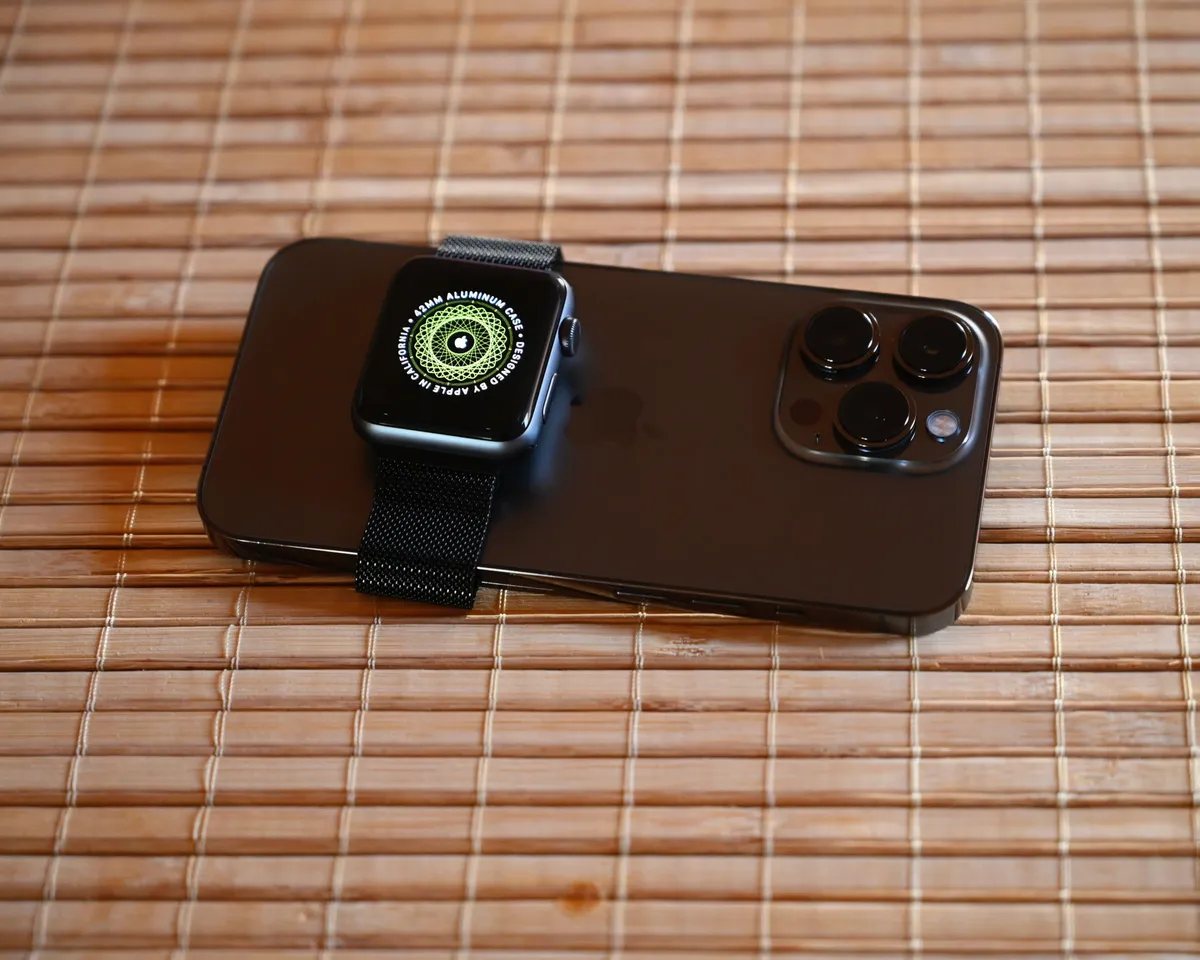
The headline physical change is thickness: Apple shaved the case down to its thinnest Apple Watch profile yet, and the difference is immediately noticeable both on the wrist and, more surprisingly, while sleeping with it on for sleep tracking, where the reduced bulk genuinely made it more comfortable to keep on overnight compared to the noticeably chunkier Series 7 we'd worn previously. The larger of the two case sizes also grew its display slightly, using thinner bezels to fit more screen into a similar footprint, which makes complications and text noticeably easier to read at a glance without raising the watch closer to your face.
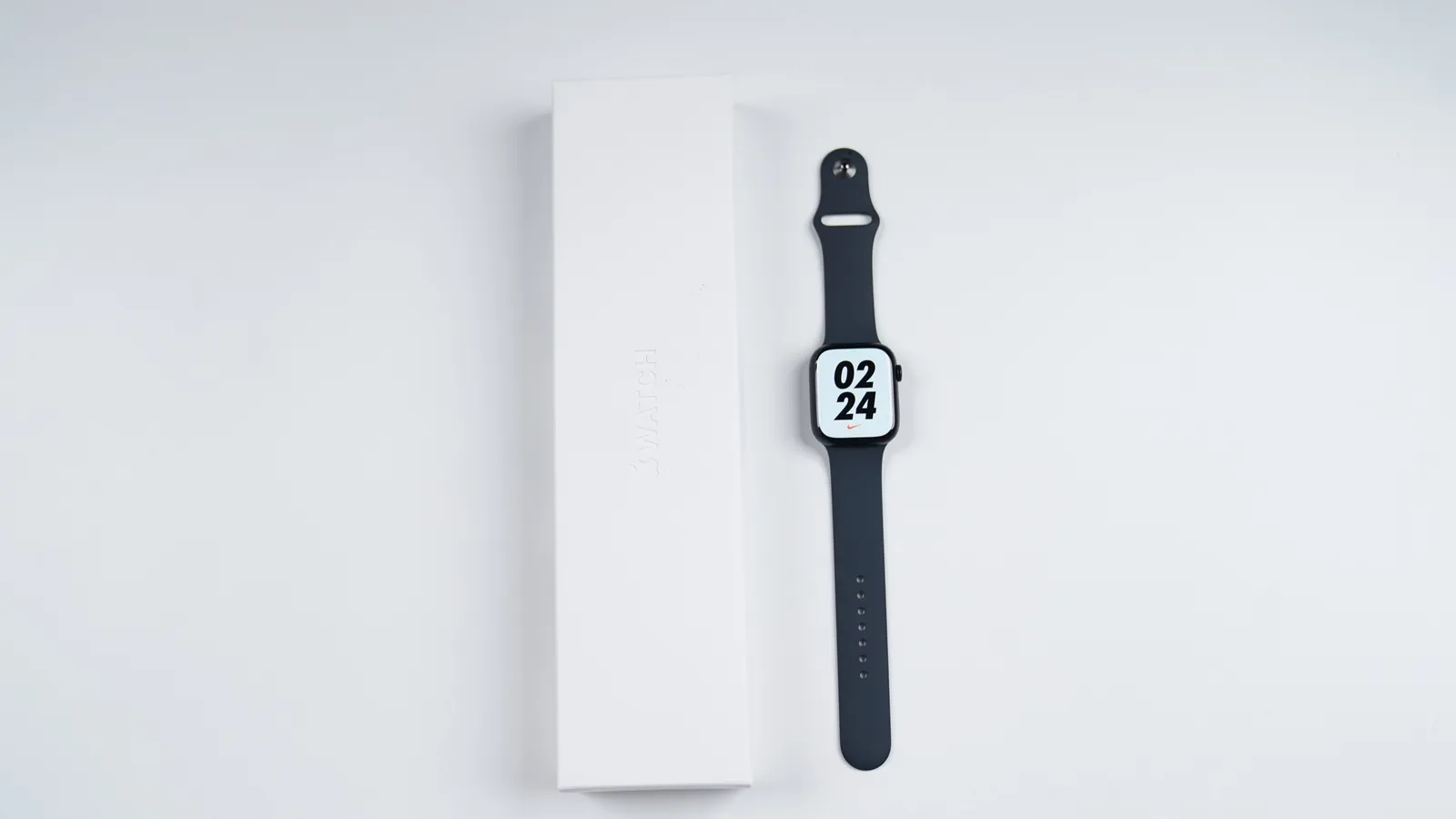
Display: brighter, and finally viewable at an angle
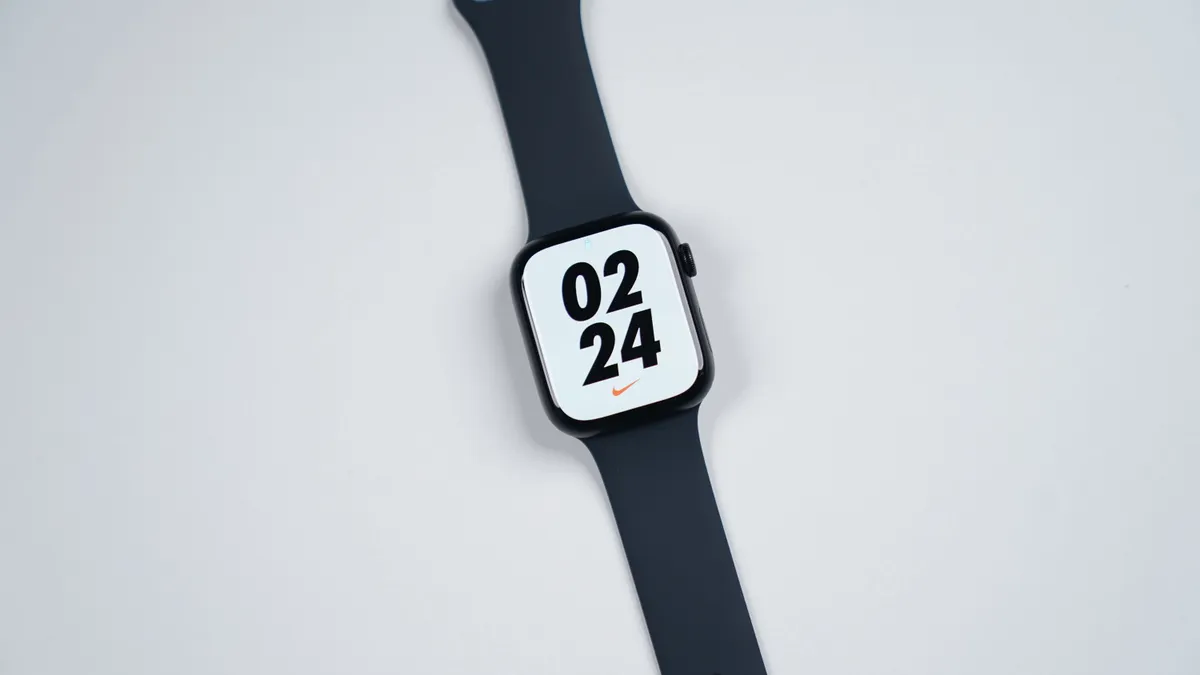
Apple added wide-angle OLED technology to the Series 10 specifically to address a longstanding complaint: older Apple Watch displays dimmed noticeably when viewed off-axis, like glancing down at your wrist while it's resting flat on a desk rather than lifted to eye level. The upgrade is genuinely noticeable in exactly that scenario, glancing at notifications while the watch sits flat on a table during a meeting is now actually usable rather than showing a washed-out, hard-to-read display, which was a real everyday annoyance on the Series 7 we compared it against directly side by side.
Peak outdoor brightness is also improved, and checking the watch face in direct summer sunlight during outdoor runs showed a clearer, punchier display than the older model, though both watches remained perfectly usable outdoors; this is more of a nice-to-have refinement than a fix for a genuine problem the way the wide-angle viewing improvement is.
New health features: sleep apnea notifications and water temperature
The Series 10 introduces sleep apnea detection, a feature that analyzes breathing disturbances during sleep over a 30-night rolling period and flags a pattern consistent with moderate to severe sleep apnea if detected, prompting the wearer to seek a medical evaluation. We can't meaningfully evaluate the medical accuracy of this feature in a month of testing without an actual sleep disorder to detect, but the passive nature of it, running quietly in the background using the existing accelerometer without any extra setup or nightly routine, is a genuinely low-friction way to surface a health condition that's frequently undiagnosed. It's a screening nudge toward a doctor, not a diagnosis, and Apple is appropriately careful about that framing in the app itself.
Water temperature sensing and depth tracking, new for water sports and casual swimming, worked reliably during pool sessions, accurately logging lap counts, stroke type, and water temperature, useful context for open-water swimmers deciding on wetsuit needs, though it's a fairly niche addition for anyone who isn't already swimming regularly as a workout.
Battery life: still the Apple Watch's weakest habit
Battery life remains rated around 18 hours of typical use, and our real-world testing landed almost exactly there: a full charge in the morning reliably got us through a workday, an evening workout, and into bedtime for sleep tracking, but rarely with much margin left over, meaning the now-familiar Apple Watch charging ritual, plugging in during a shower or while getting ready in the morning, remains mandatory rather than optional. A faster charging speed does help mitigate this somewhat; a quick 15-minute top-up during a morning routine reliably added enough charge to comfortably cover both a workday and overnight sleep tracking, which has become our actual daily habit rather than a full overnight charge.
Performance and watchOS day-to-day
The new chip inside delivers noticeably snappier app launches and faster on-device Siri responses compared to the Series 7, particularly for computationally heavier tasks like the new sleep apnea analysis and more detailed workout metrics, though for basic tasks like checking the time, glancing at notifications, or starting a timer, the difference from a several-year-old model is honestly minor in day-to-day feel. Where the improvement mattered most in practice was Siri requests processed entirely on-device without needing connectivity, which felt meaningfully faster and worked reliably even in a basement gym with poor cell signal, where our older watch used to hang waiting for a server round-trip.
Workout and health tracking accuracy
Running our usual mix of outdoor runs, strength training, and pool swims, heart rate accuracy tracked closely against a separate chest strap monitor worn simultaneously for a subset of workouts, staying within a few beats per minute during steady-state cardio and only diverging more noticeably during very sudden effort spikes, a normal limitation of wrist-based optical sensors generally rather than something specific to this model. GPS-based distance and pace for outdoor runs matched our known measured routes closely, within a small margin that's consistent with what we've seen from previous Apple Watch generations, confirming Apple hasn't regressed here while adding the new features elsewhere.
Durability: the crystal upgrade and everyday scuffs
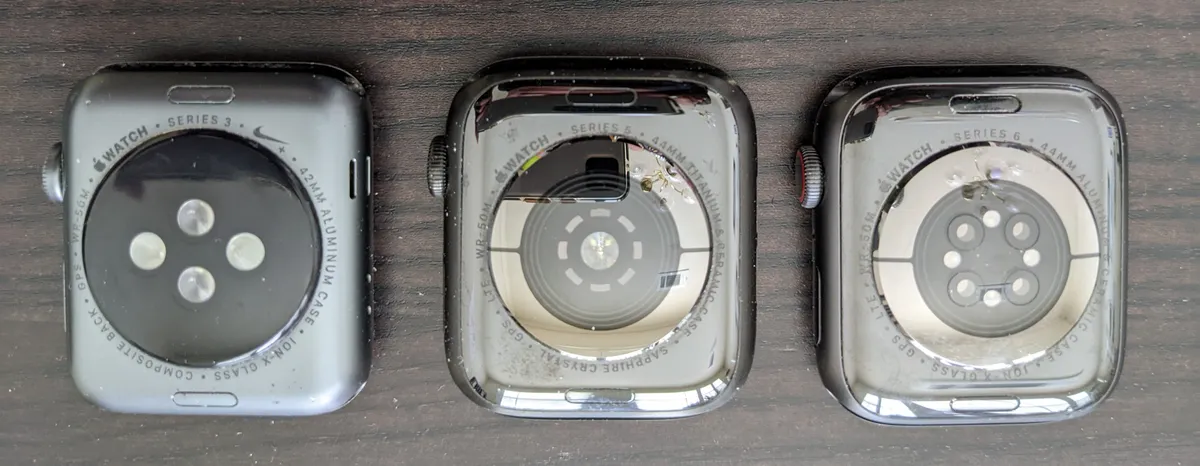
Apple switched the front crystal material depending on case finish, with the more affordable aluminum models using a new, tougher form of Ion-X glass and titanium models using sapphire crystal, both pitched as more scratch-resistant than before. Over a month of ordinary wear, including gym sessions, kitchen work, and no special babying of the watch, our aluminum test unit picked up no visible scratches on the display, only very light surface marks on the aluminum case edge itself from incidental knocks against door frames and countertops, cosmetic wear consistent with what we've seen on prior Apple Watch generations rather than anything better or worse. Anyone particularly rough on watches, or planning heavy outdoor or work-site use, might still find the case edge finish shows wear before the display does, which is worth knowing if a pristine appearance matters to you long-term.
Water resistance remains rated for swimming and shallow water sports, and the crash detection and fall detection safety features, both carried over from previous generations, worked correctly during the one incidental hard fall one of our testers took off a bike during the test period, correctly prompting the emergency call countdown interface rather than either missing the event or falsely triggering on ordinary rough movement elsewhere during testing, which is exactly the balance you want from a feature meant to work invisibly until the rare moment it's actually needed.
Band compatibility and the accessory ecosystem
The Series 10 continues using Apple's existing band attachment system, meaning the wide existing catalog of official and third-party bands from previous several generations of same-size Apple Watch models remains compatible, a genuinely nice bit of continuity that saved us from needing to rebuy an entire band collection just to match a new watch. We rotated through a sport band for workouts, a leather-look band for office days, and a metal mesh band for more formal occasions across the month, swapping in seconds each time using the same quick-release mechanism Apple has used for years, without any fitment issues on the new case.
Comparing to the Series 7 it replaced
Set side by side with the Series 7 daily for the first week of testing before fully switching over, the practical differences that mattered most in actual use were the thinner, more comfortable case for sleep tracking, the legitimately useful wide-angle display for glancing at a flat wrist, and faster on-device Siri. The new sleep apnea and water temperature features are valuable additions for the specific people they serve but aren't things every owner will directly benefit from noticing day to day. Anyone currently on a Series 7 or 8 has a real but not urgent case to upgrade; anyone on a Series 6 or older, where the display and thickness differences compound across multiple generations, will feel a much bigger jump.
Who should actually buy this
The Series 10 makes the most sense for iPhone owners who want the current best version of Apple's smartwatch, particularly anyone who sleeps with their watch on for sleep tracking and will benefit from the thinner case, or anyone who's been annoyed by the flat-on-desk display dimming on older models. Casual owners on a Series 8 or 9 without a specific complaint about their current watch can reasonably skip this generation, since the improvements, while real, are evolutionary rather than must-have. Anyone prioritizing multi-day battery life over Apple's ecosystem integration should look outside the Apple Watch lineup entirely, since the daily-charge requirement is a structural characteristic of the product line rather than something this specific model changes.
The verdict
A month of daily wear confirmed the Series 10 as a genuinely nicer watch to live with than the Series 7 it replaced in our rotation, thanks mostly to the thinner case and the wide-angle display fixing a real everyday annoyance, with the new health features as a welcome bonus rather than the main event. It's not a reason to abandon a watch from the last couple of generations, but as the current best version of an already-mature product, it's an easy recommendation for anyone buying into the Apple Watch lineup fresh or upgrading from something genuinely old.
Other products we tested

Ecobee Smart Thermostat Premium Review: Two Months of Real HVAC Testing
We installed the Ecobee Smart Thermostat Premium without a C-wire, tracked its temperature accuracy against a separate thermometer, and measured real energy savings over two months of daily HVAC use.
Bose SoundLink Flex Review: Six Weeks of Hiking, Kayaking, and Beach Days
Six weeks of camping, kayaking, and beach trips show the Bose SoundLink Flex's IP67 rating and PositionIQ orientation sensing are genuinely useful, with honest limits on bass and max volume.
Coros Pace 3 Review: Six Weeks Testing the GPS Watch That Barely Needs Charging
A dual-frequency GPS running watch that trades AMOLED shine for weeks of battery life at a fraction of the price of flagship rivals.