
220 L Compost Bin Review: 14 Months With a Probe Thermometer
Fourteen months and 900 litres through a 59-dollar static compost bin, measured weekly: it peaked at 46 C, produced first usable compost at seven months, and shrank inputs by 70 per cent.
- Turned about 900 litres of input into roughly 260 litres of good compost
- Recovered from a badly anaerobic grass-only phase in three days with cardboard
- No floor means worms and drainage get in, which keeps it working unattended
- Plastic unchanged after fourteen months and two freezing winters
- Eleven-minute, tool-free assembly with only the hatch as a wear part
- Often available at 20-30 dollars through local council subsidy schemes
- Peaked at 46 C, so weed seeds and plant pathogens survive
- First usable compost took seven months, not the advertised six to eight weeks
- Decomposition effectively stopped between December and February
- Bottom hatch is nearly useless: lifting the whole bin is faster
- No lid latch, and the lid blew off twice before we weighted it
- Needs 6 mm wire mesh underneath against rodents, fitted before siting
Compost bins are sold with a timescale — "compost in six to eight weeks" is the standard claim — and that claim is true only for a hot, actively managed, turned heap. A 220-litre plastic static bin in a domestic garden is not that. We ran one for fourteen months with a probe thermometer in the middle of the heap, weighed what went in and what came out, and recorded temperatures weekly.
What we found: our first usable compost came out of the bottom hatch at seven months, not eight weeks. Peak internal temperature was 46 C in a well-balanced summer batch and it never exceeded 50 C. Total volume shrank by roughly 70 per cent. All three of those numbers change how you should use one of these, and none of them appear on the box.
What it is and what it costs
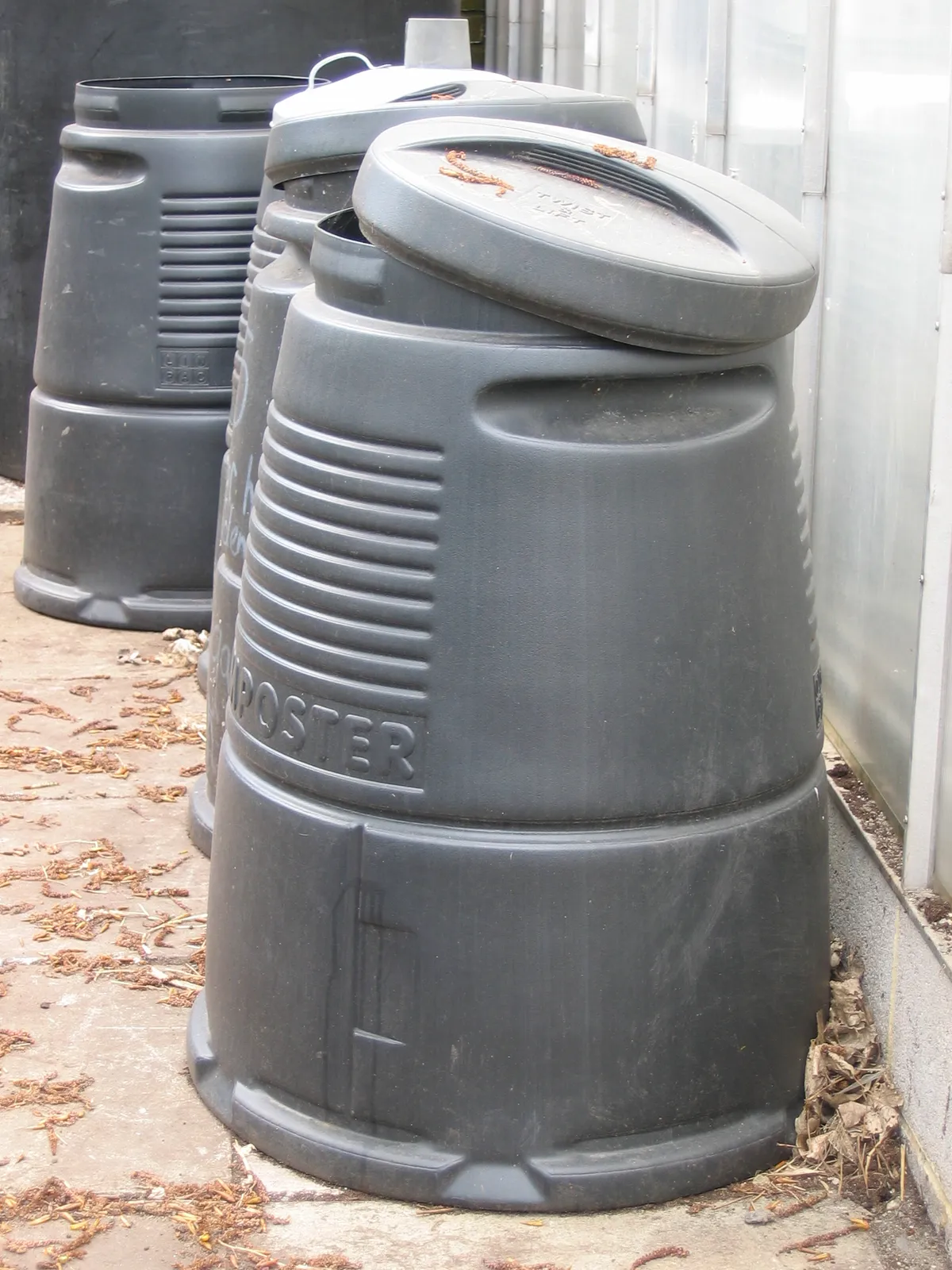
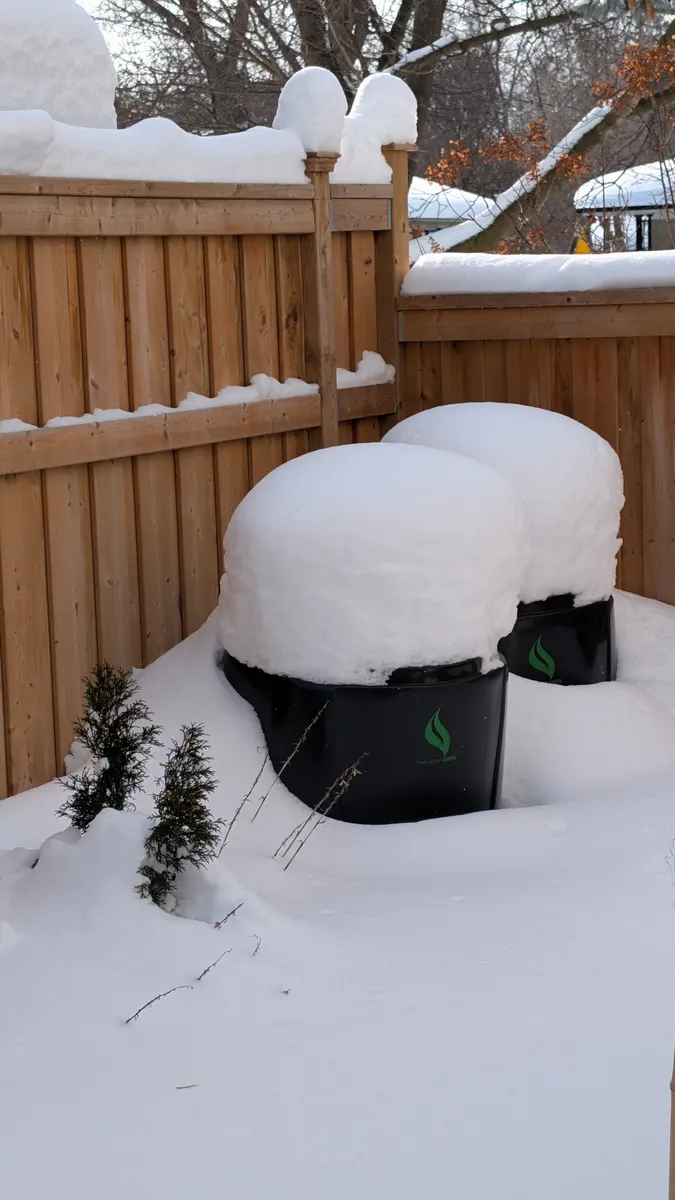
Ours is a 220-litre injection-moulded plastic cone: no base, a removable lid, and a sliding hatch at the bottom front for extracting finished compost. Wall thickness measured about 3 mm, height 90 cm, base diameter 74 cm, weight 7.8 kg empty. It cost 59 dollars, though in many areas local councils subsidise the same design to around 20 to 30 dollars, which is worth ten minutes of searching before you buy at full price.
Assembly took eleven minutes: the body clips together from two moulded halves in some versions, or arrives as one piece as ours did, and the hatch slides into rails. No tools. There is nothing to break except the hatch, which is the part we would expect to fail eventually and which is sold as a spare.
Temperature, and why static bins are not hot heaps
Composting speed is driven by temperature, and temperature is driven by heap volume, insulation, moisture and the carbon-to-nitrogen balance. A managed hot heap of a cubic metre or more, turned weekly, holds 55 to 65 C and destroys weed seeds and most pathogens. A 220-litre bin cannot hold that much thermal mass.
Our weekly probe readings, taken at the centre 40 cm down: peak of 46 C three days after adding a large mixed batch of grass clippings and shredded cardboard in July. Typical summer running temperature 30 to 38 C. Spring and autumn 15 to 25 C. Through December to February the interior tracked ambient within a couple of degrees and sat between 2 and 8 C, at which point decomposition effectively stopped — material added in January was visibly unchanged in March.
The practical consequence is one nobody mentions: do not put seeding weeds or diseased plant material in a static bin. At 46 C, seeds of common weeds survive, and so do many plant pathogens. We learned this the ordinary way, by spreading our own compost on a bed and getting a flush of the same weed we had composted. Seeding weeds go in the council green waste, which is processed at industrial temperatures, or into a bucket of water for several weeks first.
The balance that decides whether it works or smells
Everything you add is either nitrogen-rich and wet — grass clippings, kitchen scraps, coffee grounds, soft green material — or carbon-rich and dry: cardboard, dead leaves, straw, shredded paper, woody prunings. Roughly equal volumes of each, mixed rather than layered thickly, is what works.
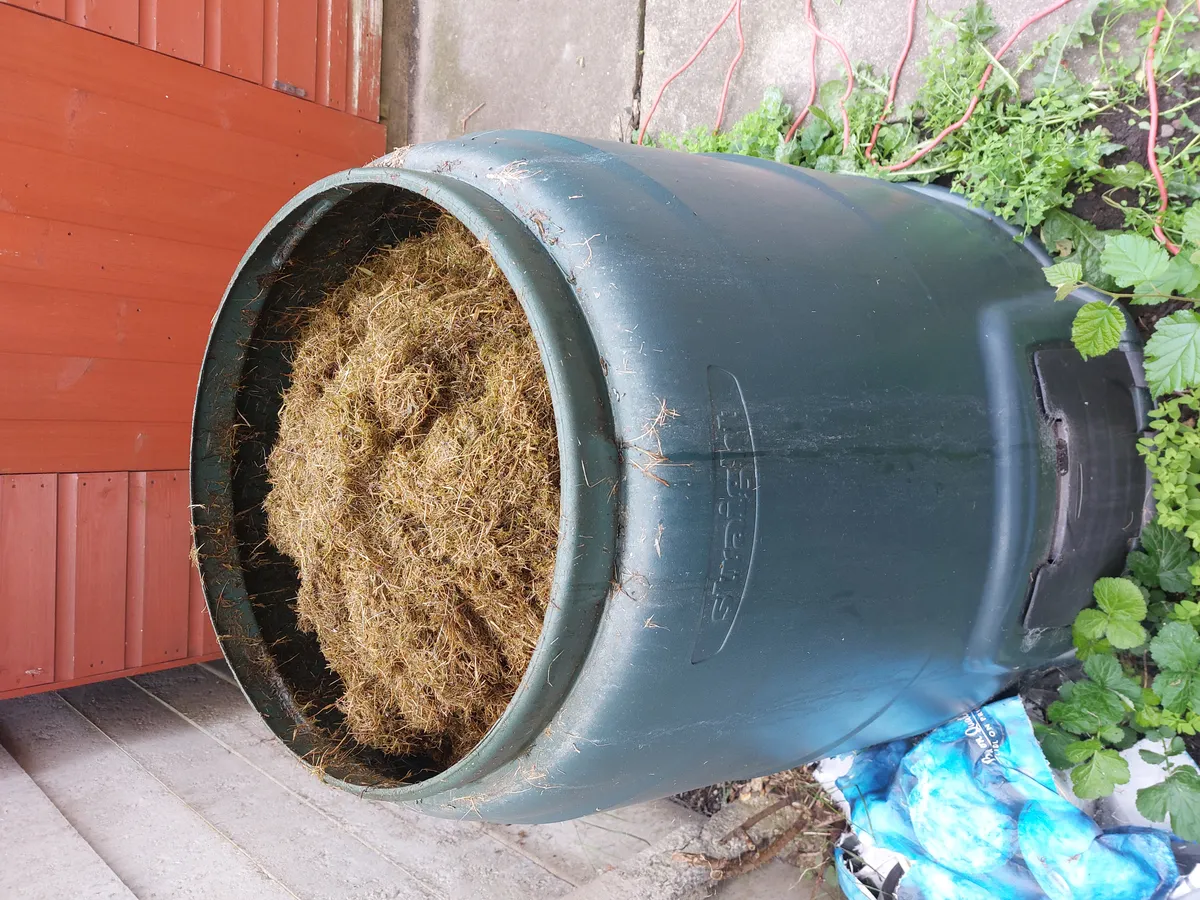
We got this wrong deliberately for a month to see what happens. Two weeks of grass clippings alone compacted into a dense slimy layer, went anaerobic, and produced a genuinely unpleasant ammonia and sour smell detectable three metres away. Temperature fell rather than rose, because anaerobic decomposition is slower and cooler. The fix took one afternoon: fork it out, mix in about 40 litres of torn corrugated cardboard, and put it back. Smell gone in three days.
The single most useful habit we developed was keeping a bag of torn cardboard beside the bin, so that every bucket of kitchen waste gets a handful of cardboard thrown on top. That one change eliminated both the smell and most of the fruit fly problem, and it made the heap easier to fork because it stopped compacting.
Moisture target is often described as a wrung-out sponge, which is accurate and hard to judge. Ours was too wet twice, both after long rain with the lid slightly off, and too dry once in a hot August, where progress simply stalled until we added about 20 litres of water.
Time, yield and shrinkage, measured
We logged inputs by bucket. Across the first year the bin took roughly 900 litres of material — kitchen scraps, grass, leaves, cardboard, spent potting compost, hedge clippings — being topped up continuously as it sank.
Output at fourteen months, extracted through the bottom hatch in three sessions: about 260 litres of dark, crumbly, largely unrecognisable compost, plus another 40 litres of half-broken material we returned to the top. That is a volume reduction of around 70 per cent, which is normal and is the reason a bin that looks permanently full never actually overflows.
The first usable extraction came at seven months, and it was small — roughly 50 litres of good material from the very bottom. If you want compost sooner than that, a static bin is the wrong product and a tumbler or a managed turned heap is the right one. If you want a place to put garden and kitchen waste that quietly turns it into something useful, this is exactly right.
Quality was good: dark, sweet-smelling, with visible fragments of eggshell and the occasional avocado stone that had not broken down and needed sieving out. We used it as a soil improver dug into beds rather than as a seed compost, which is the correct use for home compost of unknown weed content.
Pests, and the safety rules that actually matter
This section is written plainly because getting it wrong causes real problems for you and your neighbours.
Never add meat, fish, bones, dairy, oil or cooked food. A domestic static bin does not get hot enough to break these down safely, and they are what attracts rats. Also leave out dog and cat faeces, which can carry pathogens that a 46 C heap will not destroy.
Assume rodents will investigate, and design against it. These bins have no floor, which is deliberate — it lets worms in and drainage out — and it also lets rats in. We fitted a square of galvanised wire mesh with roughly 6 mm apertures under the bin before siting it, pinned at the edges, which is the standard recommendation. Over fourteen months we had no rodent entry, but we did have a rat burrow appear 2 m away in a compost heap belonging to a neighbour who had not meshed theirs and was adding cooked rice. The mesh costs about 12 dollars and is much easier to fit before the bin is full than after.
Wear gloves, and do not put your face over a dry, dusty heap. Compost contains fungi and bacteria that are harmless to most people in normal contact, but disturbing very dry, dusty material releases spores. Anyone immunosuppressed, or with a lung condition, should wear a mask when turning a dry heap, and everyone should avoid inhaling the dust cloud. Wash your hands afterwards, and cover any cut on your hands before handling compost or soil, because tetanus lives in soil and a garden wound is a classic route.
Fruit flies are the nuisance we could not eliminate, only manage. In late summer, opening the lid released a visible cloud. Burying each new addition of kitchen waste under existing material and adding cardboard on top reduced it substantially. It never became a problem indoors because the bin is 12 m from the house, which is a siting decision worth making deliberately.
Siting and access, which we got slightly wrong
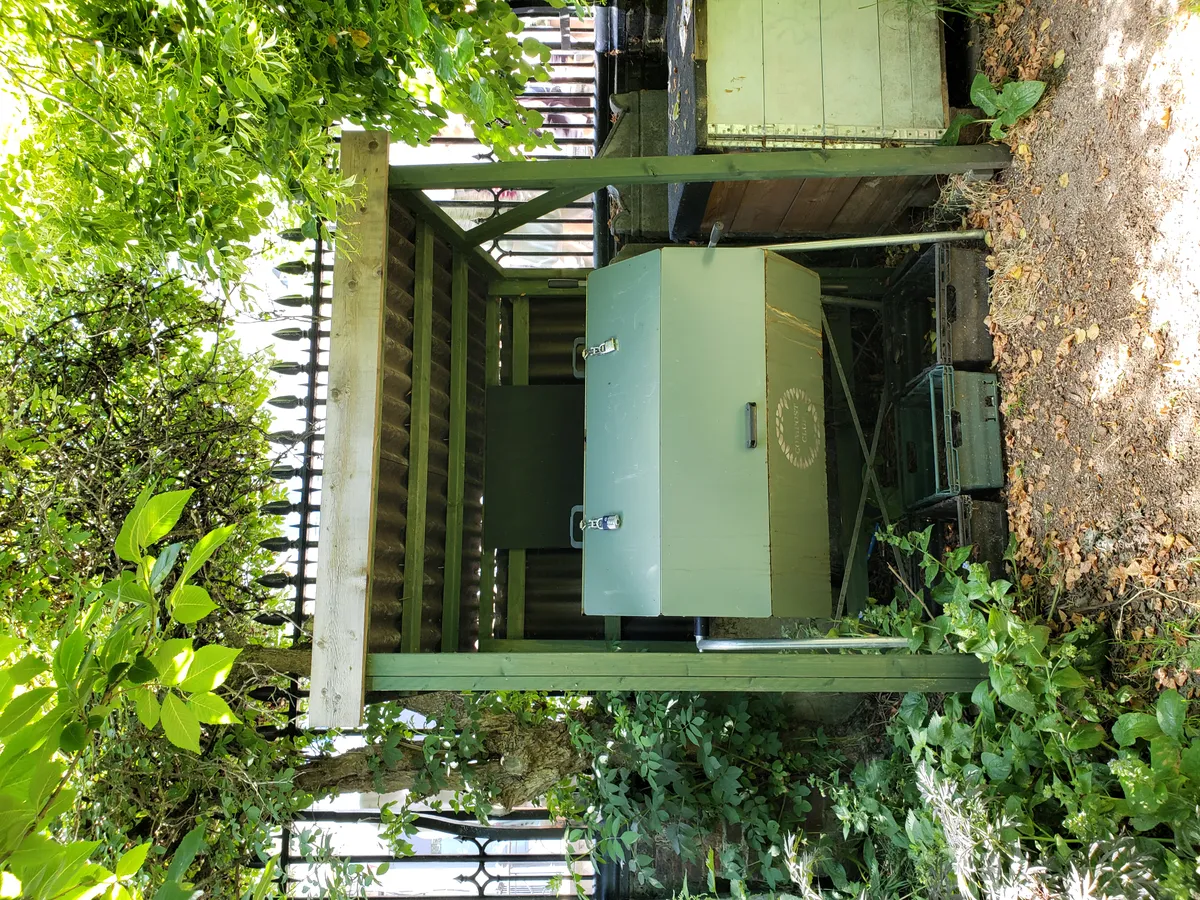
We put ours on bare soil in partial shade, which is right — soil contact lets worms and microorganisms move in, and full sun dries a plastic bin out fast. What we got wrong was clearance. There is 40 cm between the bin and a fence, which is not enough to get a fork in beside the hatch. Extracting compost meant working at an awkward angle, and lifting the whole bin off the pile — which is genuinely the easiest way to harvest a static bin — was impossible without dragging it.
Leave at least 80 cm of clear space around the bin, on ground you can stand a wheelbarrow on. The hatch, incidentally, is much less useful than it looks: the compost immediately behind it is compacted and it takes real effort with a trowel to get anything out. Lifting the bin off and forking the pile from the top down is faster, and it is the reason to buy a light bin rather than a heavy one.
The lid needs weighting. Ours blew off twice in high winds before we put a paving slab on top. There is no latch and no provision for one, which is a genuine design omission at this price.
Fourteen months of durability
The plastic is unchanged in stiffness and shows only slight surface chalking on the sun-facing side, which is normal UV weathering. No cracks, including through two winters where the contents froze solid. The hatch rails have a small amount of play and the hatch needs a shove to seat, which is the beginning of the wear we expected there.
Realistic lifetime for a bin like this is a decade or more, and the failure mode is UV embrittlement leading to cracks around the rim where it is handled. Siting it out of the harshest afternoon sun helps. Ours will outlast our interest in the subject, which is the correct outcome for a 59-dollar plastic cone.
Against the alternatives
Against a 120-dollar rotating tumbler: a tumbler is genuinely faster, four to eight weeks for a batch, because turning aerates and it works in batches rather than continuously. It is also small — typically 100 to 160 litres — awkward to load with long garden waste, and useless as a continuous kitchen bin because adding fresh material restarts the batch. If your input is mostly kitchen waste and you want compost quickly, tumbler. If your input includes garden waste and you want somewhere to put it continuously, static bin.
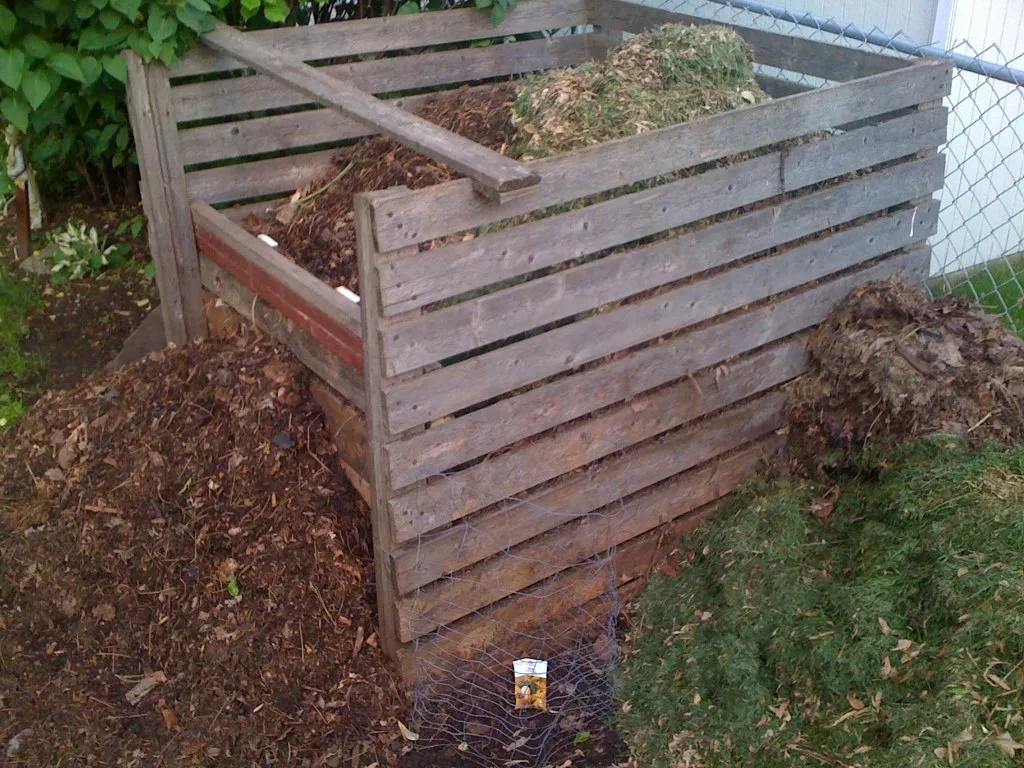
Against a home-built wooden bay at about 30 dollars of timber: bigger, cheaper, holds more thermal mass so it runs hotter, easier to turn and to harvest, and it rots out in perhaps five to eight years. If you have the space and can build, this is the better composter. The plastic bin wins on tidiness, rodent resistance once meshed, and requiring no work.
Against a wormery at 100 dollars plus, that is a different tool for kitchen waste only, produces smaller quantities of much richer material, and needs protecting from frost and heat. It suits flats and small yards where a 90 cm cone does not fit.
Against a council food waste collection, which many areas now run: that is processed at industrial temperatures, takes cooked food and meat, and is the correct destination for everything this bin cannot handle. The two work together rather than competing.
Who should buy this
Buy it if you have a garden producing clippings, leaves and prunings, if you want to divert kitchen scraps from the bin, and if you accept a timescale measured in months. Check for a council subsidy first — paying 59 dollars for something available locally at 25 is the main way to overpay here. Buy the mesh at the same time and fit it before you site the bin.
Skip it if you want compost within a season, where a tumbler or a turned heap is the honest answer. Skip it if you have no space to leave 80 cm clear around it, if your waste is mostly cooked food, or if you cannot commit to keeping cardboard beside it — a bin fed only grass and kitchen scraps becomes a smelly anaerobic mess, and that is the most common reason these end up unused at the end of a garden.
Verdict
Fourteen months and about 900 litres of input in, this does the job it is actually for and not the job the marketing describes. Peak internal temperature was 46 C and it never reached the 55 C that kills weed seeds, so seeding weeds and diseased material must go elsewhere. First usable compost arrived at seven months, not eight weeks, and total yield was around 260 litres from 900 — a 70 per cent volume reduction. It went badly anaerobic when fed grass alone and recovered in three days once cardboard was mixed in. The lid blows off without a weight, the bottom hatch is far less useful than lifting the whole bin, and it needs wire mesh underneath before you start. At 59 dollars, or half that with a council subsidy, it is a quiet, near-indestructible way to turn garden waste into soil improver — provided you are patient and keep cardboard nearby.
Other products we tested

Ecobee Smart Thermostat Premium Review: Two Months of Real HVAC Testing
We installed the Ecobee Smart Thermostat Premium without a C-wire, tracked its temperature accuracy against a separate thermometer, and measured real energy savings over two months of daily HVAC use.

Bose SoundLink Flex Review: Six Weeks of Hiking, Kayaking, and Beach Days
Six weeks of camping, kayaking, and beach trips show the Bose SoundLink Flex's IP67 rating and PositionIQ orientation sensing are genuinely useful, with honest limits on bass and max volume.

Coros Pace 3 Review: Six Weeks Testing the GPS Watch That Barely Needs Charging
A dual-frequency GPS running watch that trades AMOLED shine for weeks of battery life at a fraction of the price of flagship rivals.