
Turntable Buying Guide: What Beginners Get Wrong About Vinyl
A practical first-turntable guide covering belt-drive vs. direct-drive, phono preamps, cartridge basics, and realistic budgets so you avoid the mistakes that make new turntables sound broken.
Vinyl has been back for over a decade now, and every year a new wave of first-time buyers walks into the hobby the same way: they buy whatever turntable has the most reviews on a big-box retailer's site, plug it into a bookshelf speaker, and wonder why the sound is either dead silent, painfully quiet, or blown out with hum. None of that is bad luck. It is almost always one of a handful of predictable mistakes — buying a turntable with no way to connect to normal speakers, skipping the phono preamp question entirely, or assuming every deck sounds the same because "it's just a record player." This guide exists to walk through the decisions that actually matter before you spend money, in plain language, without assuming you already know what a phono preamp is or why belt-drive and direct-drive turntables are built differently in the first place.
This is not a review of one product. It is the buying framework we wish existed before we bought our first turntables — the kind of thing a knowledgeable friend at a record shop would tell you if you asked "what should I actually buy?" We will cover drive type, preamps, cartridges and styluses, speed accuracy, USB turntables for digitizing your collection, and what a realistic budget looks like at each tier.
Quick answer: what most beginners should actually buy
If you want the short version before the details: for most people getting into vinyl for casual home listening, a belt-drive turntable in the $100-$250 range with a built-in switchable phono preamp and a factory-installed cartridge is the right starting point. It removes two of the three most common failure points (no preamp, cartridge alignment mistakes) while leaving room to upgrade later. If you plan to scratch, beat-match, or DJ, that calculus flips toward a direct-drive deck instead, and you should expect to spend more up front on a proper cartridge and mixer setup.
Our own hands-on review of the Audio-Technica AT-LP60X covers one specific, widely-recommended example of this "safe first turntable" category in detail — belt-driven, built-in preamp, pre-mounted cartridge — if you want to see how one specific model executes on these fundamentals rather than the general theory.
Belt-drive vs. direct-drive: what the difference actually changes
A turntable's motor has to spin the platter at a constant speed — 33 1/3 or 45 RPM — without introducing vibration into the stylus, which is reading grooves measured in microns. There are two common ways manufacturers solve this, and the choice affects durability, sound, and price in ways that matter to a beginner.
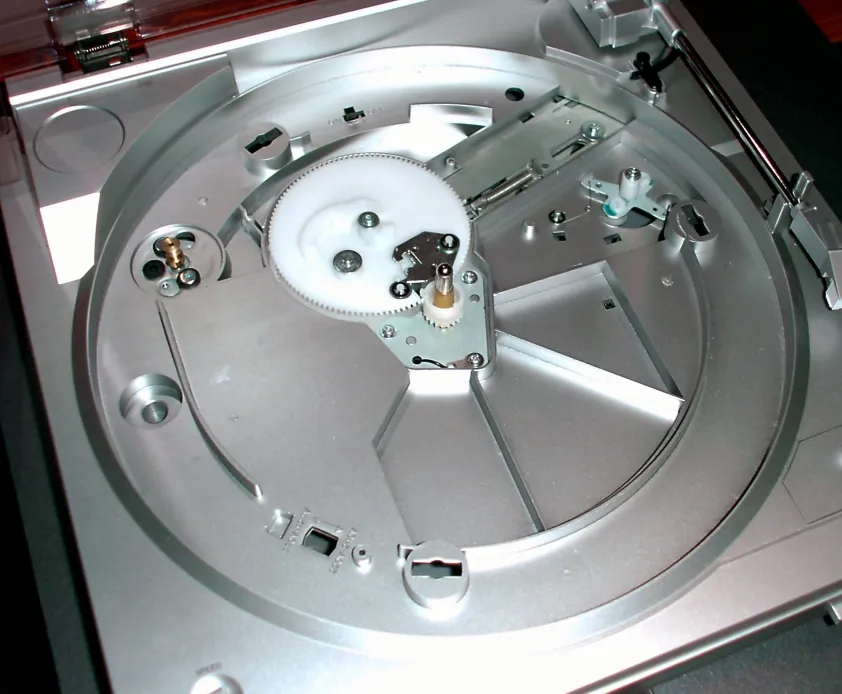
Belt-drive turntables use a small motor offset from the platter, connected by a rubber or silicone belt. The belt physically absorbs motor vibration before it reaches the platter, which is why belt-drive decks are generally quieter and preferred for pure listening. The tradeoffs: the belt stretches and wears out over roughly 3-7 years of regular use (replacements are cheap, usually $10-20, and easy to swap yourself), and belt-drive platters take a second or two to reach full speed after you hit start — which rules out DJ techniques like backspinning.
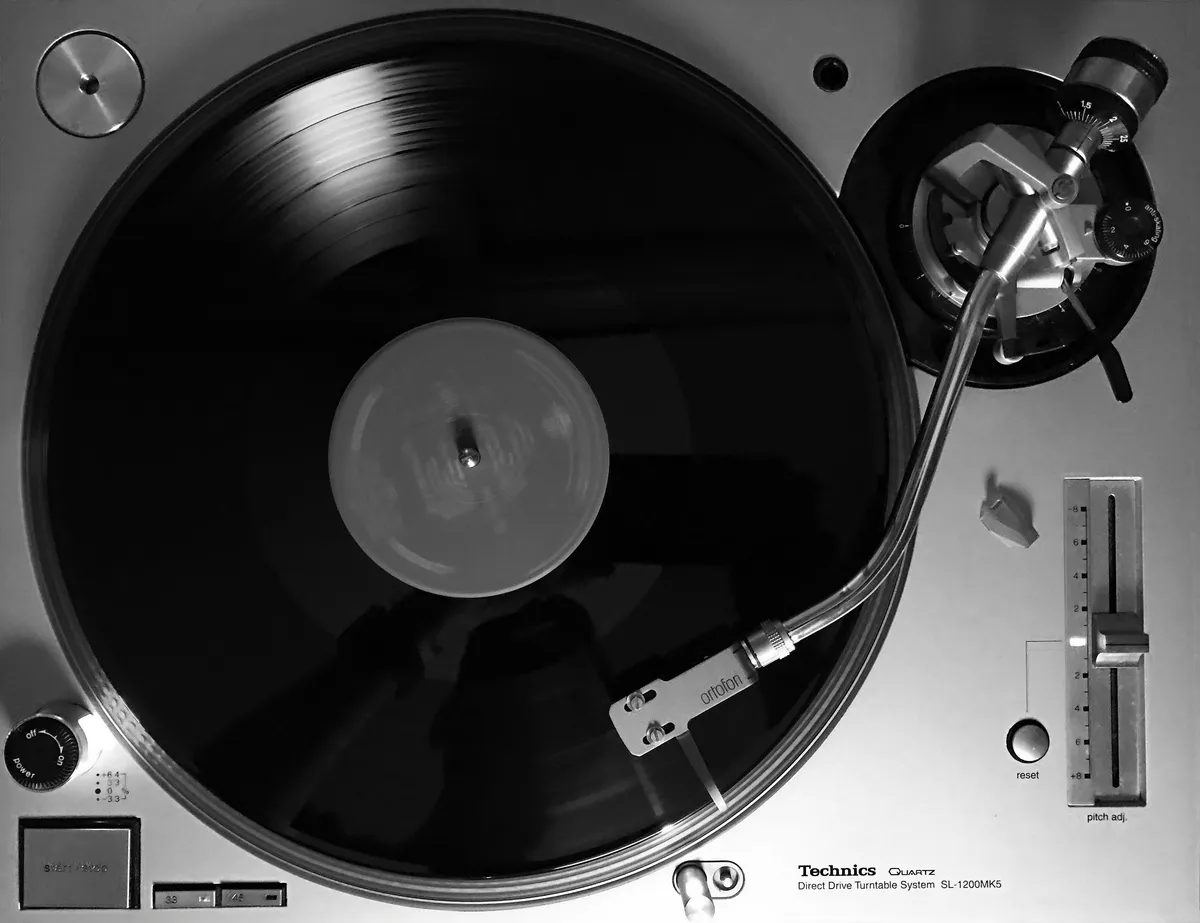
Direct-drive turntables put the motor directly under the platter, with no belt in between. This is the design DJs standardized on decades ago (the Technics SL-1200 series is the reference example) because the platter reaches full speed almost instantly and can handle backspins, scratching, and the physical stress of manual tempo adjustment without wearing out a belt. Direct-drive motors used to introduce more motor noise into the signal, but modern designs with better motor isolation have mostly closed that gap — it is no longer true that direct-drive automatically sounds worse.
For a beginner buying one turntable for home listening, belt-drive is still the more common and slightly more forgiving choice. For anyone planning to mix, scratch, or who just wants a deck that survives being started and stopped constantly, direct-drive is worth the modest price premium.
The phono preamp question — the single most common beginner mistake
This is the mistake that generates the most "my turntable sounds terrible" complaints online, and it has nothing to do with the turntable's build quality. A cartridge's output signal (called a "phono" signal) is both much quieter and shaped with a different frequency curve (RIAA equalization) than a normal line-level signal from a phone or CD player. Feed a raw phono signal into a regular speaker, receiver input, or powered speaker that expects line-level audio, and you get a thin, quiet, bass-less sound — not a broken turntable, just a missing preamp stage.
There are three ways to solve this:
- Built-in preamp with a switch: many beginner-friendly turntables (including the AT-LP60X reviewed above) have a phono preamp built into the turntable itself, with a switch on the back labeled "Phono/Line." Set it to "Line" and you can plug directly into any powered speaker, receiver, or amp's normal (not "phono") input.
- External phono preamp: a small standalone box ($30-150) that sits between a turntable with no built-in preamp (or one with the built-in stage bypassed for better sound) and your amp or speakers.
- Phono input on a receiver: older receivers and some current ones have a dedicated "Phono" input with the preamp stage built in — in that case you connect a turntable with its internal preamp switched off (or one that never had one) directly to that input.
Before you buy anything, check what you are plugging into. If you already own powered bookshelf speakers or a receiver with no dedicated phono input, you need a turntable with a built-in switchable preamp, or budget for a separate one. This single check prevents the most common "why does this sound broken" support thread on every audio forum.
Cartridge and stylus basics — and when to upgrade
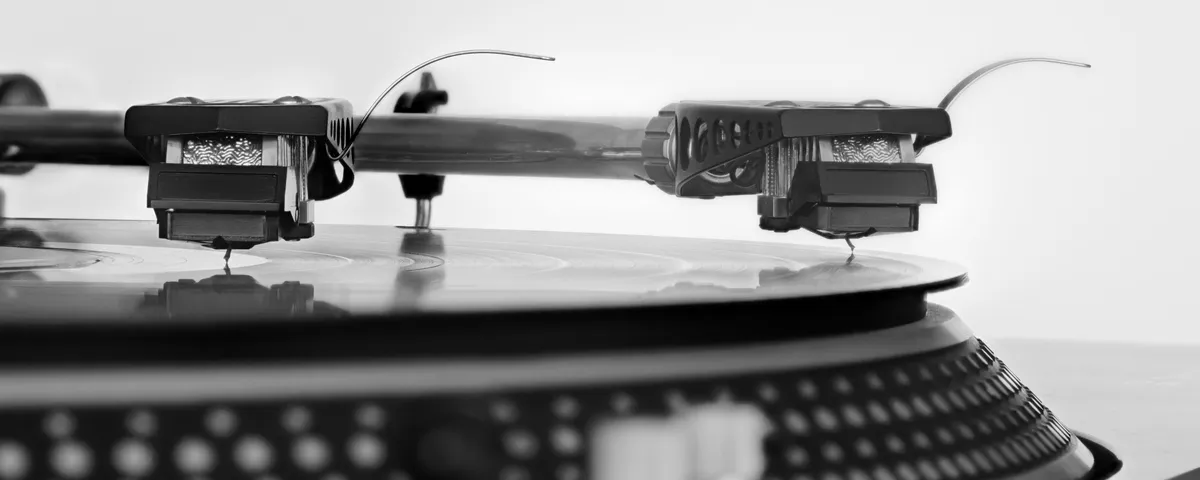
The cartridge is the small unit mounted at the end of the tonearm; the stylus (often loosely called "the needle") is the tiny diamond or sapphire tip that actually sits in the groove. Together they are the single component that most directly determines sound quality — more than the plinth material, more than the motor type, more than most of what gets marketed on the box.
Beginner turntables ship with a pre-mounted, pre-aligned cartridge, which removes a genuinely fiddly setup step (correct overhang, azimuth, and tracking force all affect both sound and record wear if set wrong). This is a real advantage for a first deck — a mis-aligned cartridge can audibly and physically damage records over time by tracking incorrectly in the groove.
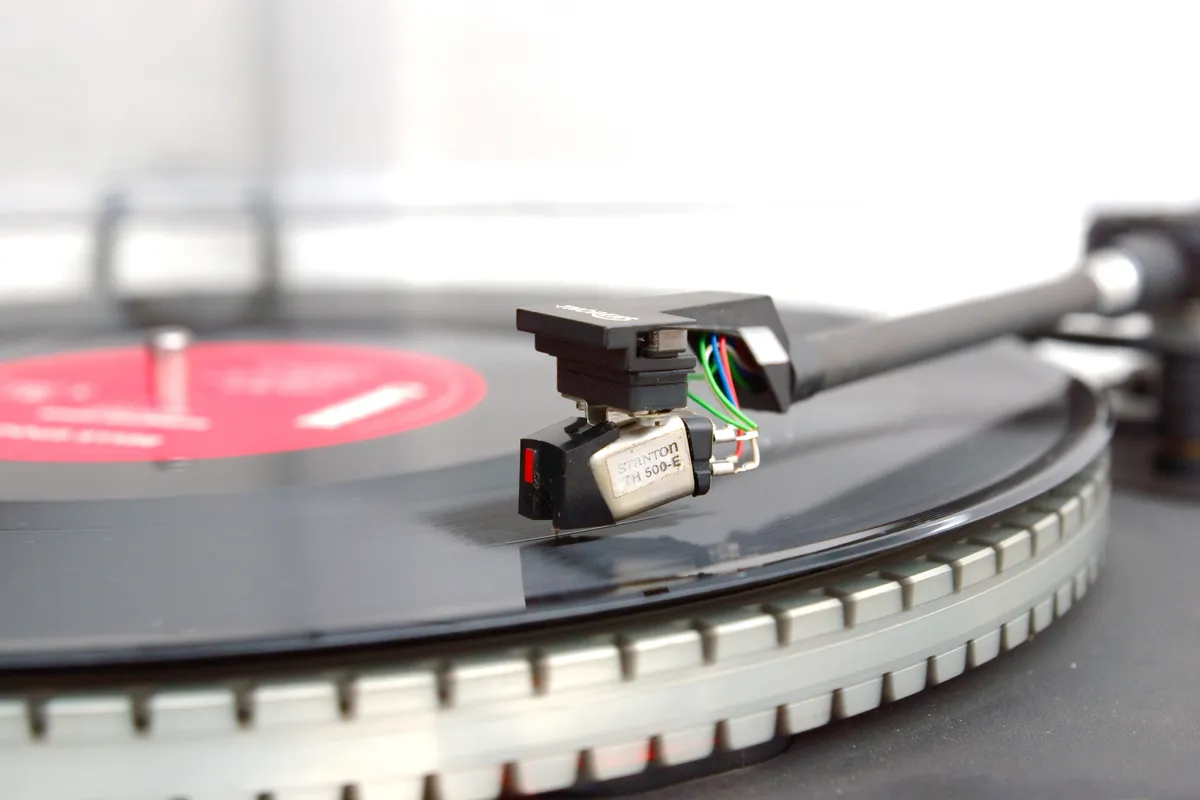
Realistic wear expectations: a stylus typically lasts 800-1,000 hours of play, or roughly 1-3 years for a moderate listener, before it needs replacing — not because it breaks, but because it wears and starts tracking less accurately, increasing distortion and record wear. Replacement styluses for popular models run $30-80. Upgrading the whole cartridge (not just the stylus) to a moving-magnet cartridge in the $75-200 range is the most cost-effective single upgrade path once you have been in the hobby a year or two and want a noticeably cleaner, more detailed sound — it is a bigger jump in perceived quality per dollar than upgrading the plinth, platter, or motor at that price point.
Speed accuracy — the quiet problem nobody warns you about
A record cut at 33 1/3 RPM needs to be played back at exactly that speed, or pitch drifts audibly — vocals sound slightly off, and on sustained piano or vocal notes the wobble (called "wow and flutter") becomes noticeable even to non-audiophile ears. Cheap turntables, especially ones with AC synchronous motors tied to unstable power or worn belts, can drift measurably. Better decks use quartz-locked or precisely governed DC motors that hold speed within a fraction of a percent regardless of platter load or belt tension.
You do not need a test record to catch a real speed problem — if a piano note or sustained vocal has a slow, seasick wobble that a CD or digital copy of the same track does not have, that is wow and flutter, not the recording. A stretched or slipping belt is the single most common cause on an older or budget belt-drive deck, and it is usually a $15 fix. If you buy secondhand, this is worth checking in person before you pay: play a track with sustained piano or vocal and listen specifically for pitch wobble.
USB turntables for digitizing your collection
Some turntables add a USB output specifically for ripping vinyl to digital files on a computer — useful if you have inherited or thrifted records you want as MP3 or WAV backups, or want to sample from vinyl into production software. Two honest caveats before buying one for this reason alone: first, most USB turntables in the sub-$200 range use the same modest cartridge and preamp as their non-USB siblings, so the digitized file will only sound as good as that base hardware — a USB port does not upgrade sound quality, it just adds a digital output. Second, if digitizing is your primary goal rather than a nice-to-have, it is often better value to buy a good non-USB turntable plus a standalone USB audio interface with a built-in or external phono preamp, since that setup can be reused with better turntables later, whereas a USB turntable's audio circuitry usually cannot be upgraded independently of the whole unit.
That said, for someone digitizing a modest inherited collection who does not want to think about interfaces and drivers, a beginner USB turntable with bundled ripping software (most ship with Audacity or a similar free tool) is a genuinely reasonable, low-friction choice — just set expectations that it is a convenience feature, not a mastering-grade signal chain.
Common beginner mistakes, in order of how often they happen
- Buying a turntable with no preamp and no phono input to plug it into. Covered above — check your speakers/receiver first, buy accordingly.
- Playing records with the stylus guard still on, or a worn stylus, and blaming the turntable for bad sound. A worn or damaged stylus is the most common cause of "my records sound scratchy even though they're clean."
- Never leveling the turntable. An unlevel plinth causes the stylus to track unevenly across the groove, increasing wear and causing the tonearm to drift toward the label or edge on its own during playback. A five-dollar bubble level and a few minutes of adjusting the feet fixes this permanently.
- Setting tracking force by feel instead of with the supplied gauge or a cheap stylus force scale ($15-20). Too light and the stylus skips and skates across grooves, causing damage; too heavy and it accelerates wear. Cartridge manufacturers publish a recommended range (commonly 1.5-2.0 grams) — use it.
- Storing records flat instead of vertical, or near a heat source. This warps records over time in a way no turntable can play back accurately, and beginners often assume a warped-sound issue is the turntable's fault.
- Assuming a higher price always means better sound for their use case. A DJ deck optimized for scratch durability is not "better" than a quiet belt-drive listening deck for someone who only plays records at home — they are optimized for different jobs.
Budget expectations — what you actually get at each price tier
Setting realistic expectations up front avoids both overspending and disappointment:
- Under $100: all-in-one suitcase-style or bookshelf turntables with built-in speakers. Genuinely fine for casual, occasional listening or as a first exposure to vinyl, especially for a kid's room or dorm — but the ceramic cartridges commonly used at this tier track heavier than typical stylus force recommendations and will wear records faster with repeated play. If you plan to build a real collection you care about, this tier is a place to start, not to stay.
- $100-$250: the realistic sweet spot for most first "real" turntables — belt-drive, built-in switchable preamp, a proper (usually moving-magnet) cartridge pre-installed and aligned at the factory. This is where a turntable like the AT-LP60X sits, and for the reasons above, it is a genuinely sound (not just budget-compromise) choice for casual-to-regular listening, not merely an upsell stepping stone.
- $250-$500: better platter materials (acrylic or heavier aluminum instead of thin stamped metal), upgradable headshells and tonearms, higher-quality cartridges, and often a choice between built-in and bypassable preamps so you can add an external preamp later without buying a new turntable.
- $500+: diminishing returns accelerate here for most casual listeners — you are paying for tighter tolerances, better isolation from vibration and footfall, and cartridge upgrade headroom that mostly matters if you already have a resolving amp and speakers to reveal the difference. There is nothing wrong with staying below this tier indefinitely.
A simple decision framework
Rather than starting from "which turntable is best," work through these questions in order:
- What will you plug it into? Powered speakers or a receiver with no phono input → you need built-in preamp or budget for an external one. Receiver with a dedicated phono input → skip the built-in preamp requirement.
- Will you scratch, mix, or backspin? Yes → direct-drive. No → belt-drive is the quieter, more common choice for home listening.
- Do you need to digitize records? Occasional convenience ripping → a USB turntable is fine. Serious digitizing project → a separate USB audio interface with a good non-USB turntable will hold up better long-term.
- What is your actual budget? Be honest about whether you want a casual listening appliance (under $100 is fine) or the start of a collection you will care for over years (budget for the $100-$250 tier minimum, with an upgradable cartridge as your first improvement later).
The closing takeaway
Most of what makes a first turntable experience good or bad has nothing to do with brand prestige and everything to do with a few mechanical fundamentals: does it connect properly to what you already own, is the cartridge tracking at the right force, is the platter level, and is the stylus in good condition. Get those right on a modest belt-drive deck with a built-in preamp, and a $150-$200 turntable will sound genuinely satisfying for years of casual listening — you do not need to spend $500 to enjoy vinyl properly, and nobody should feel talked into it. Spend more only when you have a specific reason to — DJ durability, a resolving stereo system that will actually reveal a cartridge upgrade, or a serious digitizing project — rather than because a bigger number on the price tag feels safer. Start with the fundamentals above, match the turntable to what you are actually plugging it into, and the rest of the hobby — cartridge upgrades, record care, building a collection — can happen gradually, at your own pace and budget.
More coupon shopping advice

Home Security Camera Buying Guide: Local vs. Cloud Storage
A practical, balanced buying guide to home security cameras that weighs local storage against cloud subscriptions, wired versus battery power, camera placement, night vision, smart detection accuracy, and smart home integration.

Beginner Mirrorless Camera Buying Guide
A practical, honest walkthrough of what actually matters when buying your first mirrorless camera, from sensor size and lens mounts to autofocus, video specs, and the real total cost of a beginner-friendly system.

Air Purifier Buying Guide: CADR, ACH, and Filter Costs Explained
A practical walkthrough of the numbers that actually matter when buying an air purifier — CADR and ACH for sizing, true HEPA versus marketing terms, real three-year filter costs, realistic noise levels, and when a purifier won't help at all.