
Home Speaker Buying Guide: Portable, Smart, or a Proper Stereo Pair?
Wattage and frequency range tell you almost nothing. Driver size, connection type, and placement tell you almost everything.
Speaker shopping is unusually resistant to specification comparison. Two boxes can list identical driver sizes, identical wattage, and identical frequency ranges, and sound completely different — and the one that sounds better in a shop may sound worse in your living room, because the room is doing at least half the work.
This guide separates the specifications that mean something from the ones manufacturers print because the box has space. It covers the three real categories — portable, smart, and stereo hi-fi — and the placement decisions that will improve your sound more than any upgrade under $300.
The quick answer
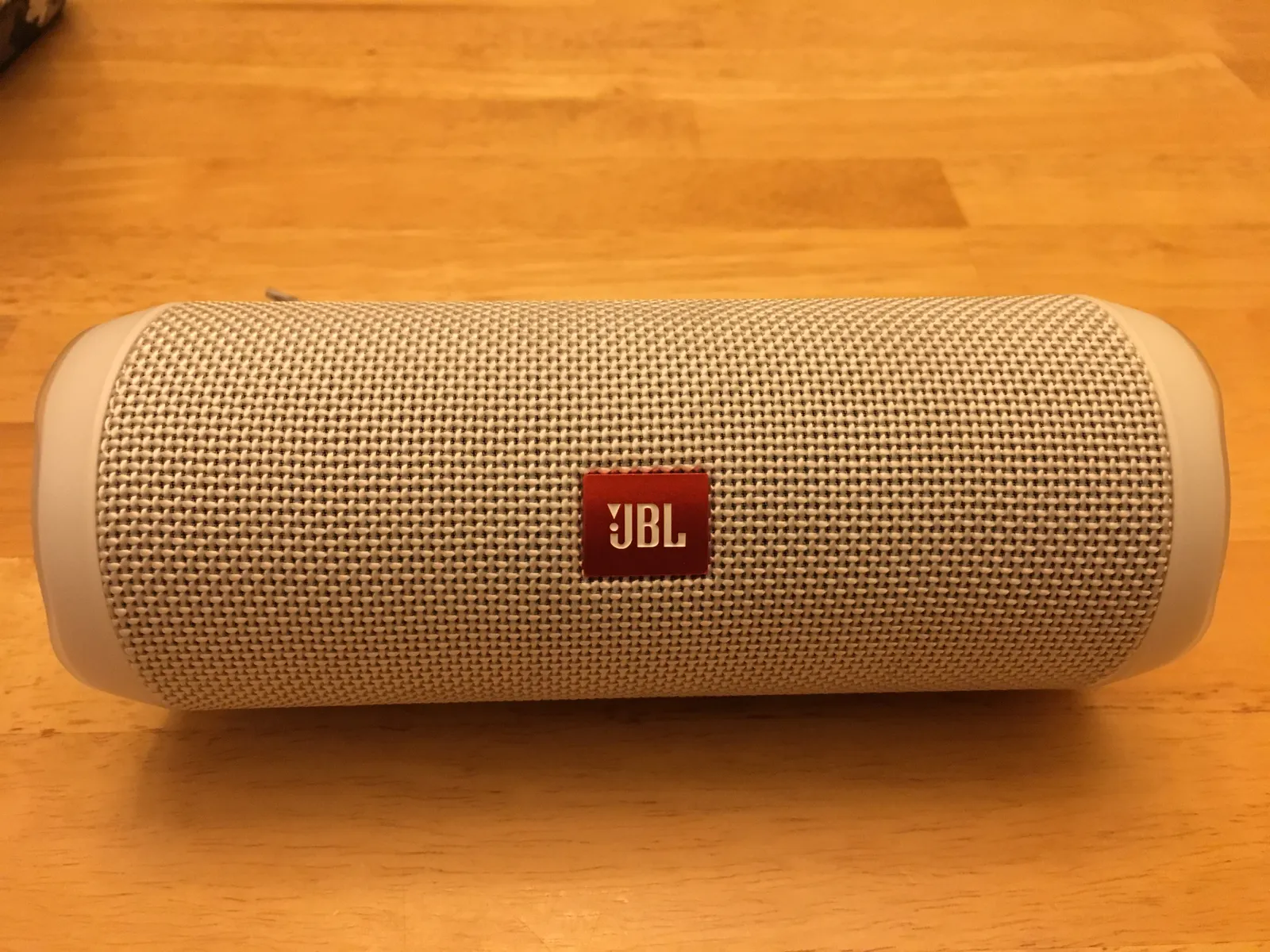
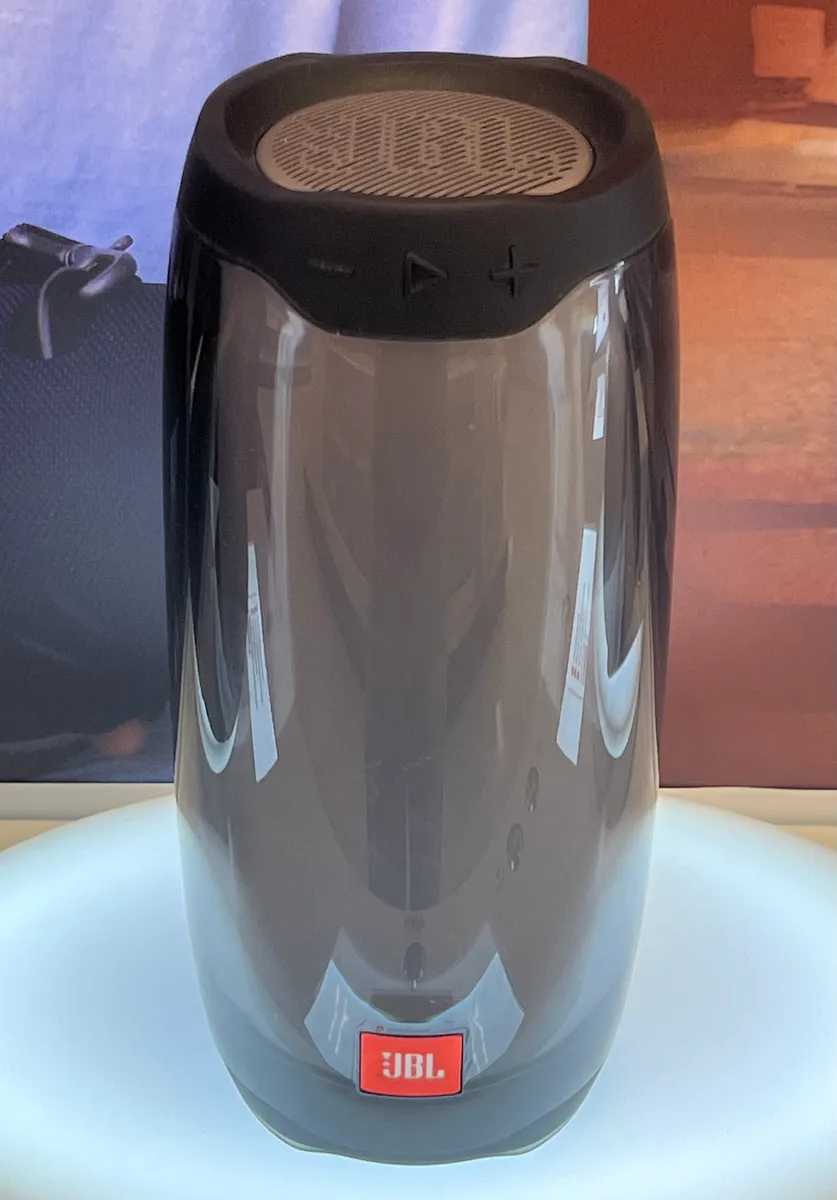
For a kitchen, a shower, or a picnic: a portable Bluetooth speaker with an IP67 rating and 12-plus hours of battery. Budget $60-$150. Do not expect bass; physics prevents it at that size.
For background music around the house, with voice control and multi-room: a smart speaker. Budget $100-$250 each, and understand you are buying into an ecosystem you will find awkward to leave.
For actually listening to music: a stereo pair of powered bookshelf speakers. Budget $300-$600 for the pair. Two speakers separated properly produce a stereo image that no single-box solution can replicate, and this is the largest sound-quality jump available for the money.
For television: a soundbar, because dialogue clarity is the actual problem and TV speakers fire backwards or downwards into furniture.
Specifications that mean something, and ones that do not
Wattage is nearly useless as printed. "100W peak power" describes a momentary electrical figure, not loudness, and manufacturers measure it inconsistently. Amplifier power only becomes comparable when quoted as RMS into a stated impedance, and even then it tells you about headroom rather than quality. Doubling amplifier power buys about 3dB, which is a just-noticeable increase in loudness.
Frequency response quoted as a bare range — "20Hz to 20kHz" — is close to meaningless without a tolerance figure. A speaker technically produces 20Hz if it emits something 30dB down from everything else. A response quoted as "50Hz-20kHz ±3dB" is a real specification, because the tolerance says how flat it actually is. Most manufacturers omit the tolerance, and that omission is informative.
Driver size does mean something, because moving air at low frequencies requires physically displacing it. A 50mm driver in a portable speaker cannot produce genuine bass regardless of processing, and the "big sound from a small speaker" claim is achieved by boosting the upper bass around 100-200Hz, which reads as punchy in a demo and muddy over an album.
Sensitivity, quoted in dB at 1W/1m, matters for passive speakers because it determines how much amplifier you need. An 88dB speaker needs roughly twice the amplifier power of a 91dB one for the same volume.
Bluetooth versus Wi-Fi, and why it matters more than codecs
Bluetooth is a point-to-point link with limited bandwidth, so audio is compressed to fit. Range is around 10 metres with walls degrading it quickly, and the connection follows one device — when your phone leaves, the music stops.
Wi-Fi speakers connect to the network instead. Bandwidth is ample, so they can stream at full quality; range is your whole house; and multiple devices can control the same speaker without re-pairing. Most importantly, playback is independent of your phone, so a call does not interrupt the music.
Codecs receive far more attention than they deserve. SBC, the universal baseline, is genuinely adequate at higher bitrates. AAC and aptX are modest improvements. LDAC carries more data and can sound better on good speakers with good source material. But codec differences are smaller than the difference made by moving a speaker 30cm away from a wall, and both source and receiver must support the same codec for it to apply at all.
The practical rule: if the speaker stays in one place and there is Wi-Fi, buy Wi-Fi. If it moves, Bluetooth. Many speakers do both, which is the safe answer.
Portable speakers: durability specs are the real differentiator
Sound quality across reputable portable speakers in the same size class converges quite tightly. What varies meaningfully is how long they last, and the specification to read is the IP rating.
IPX4 means splash-resistant — fine for a kitchen, not for a poolside. IPX7 means submersible to one metre for thirty minutes, which covers dropping it in a pool. IP67 adds dust protection, which matters at a beach or on a building site. The second digit is water and the first is dust; an X means untested rather than immune.
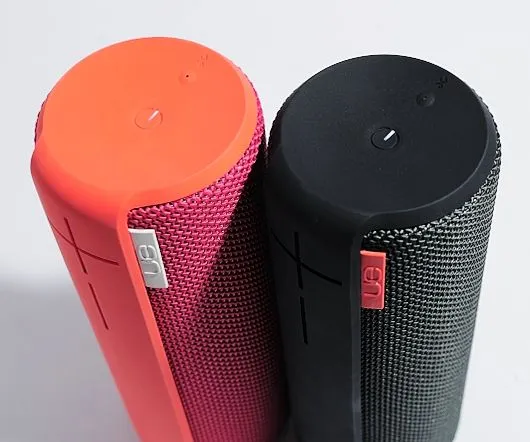
Battery claims follow the usual pattern: quoted at moderate volume, typically around two-thirds. At party volume expect roughly half the stated hours. USB-C charging is now standard and worth insisting on. A user-replaceable battery is rare and valuable, since the battery is what kills these devices at year three.
Pairing two identical portables into a stereo pair is a feature worth checking for. Two $80 speakers placed a couple of metres apart produce a genuinely better result than one $160 speaker, because stereo separation is more perceptually valuable than raw output.
Smart speakers: buying an ecosystem, not a box
A smart speaker's sound quality is usually mid-range, and that is not what you are buying. You are buying voice control, multi-room grouping, and integration with whatever else is on your network.
The lock-in is real and worth thinking about before the first purchase. Multi-room grouping only works within one manufacturer's system, so a house that accumulates speakers from three brands ends up with three apps and no ability to play the same thing everywhere. Whichever ecosystem you start with is effectively the one you will keep, because switching means replacing every unit.
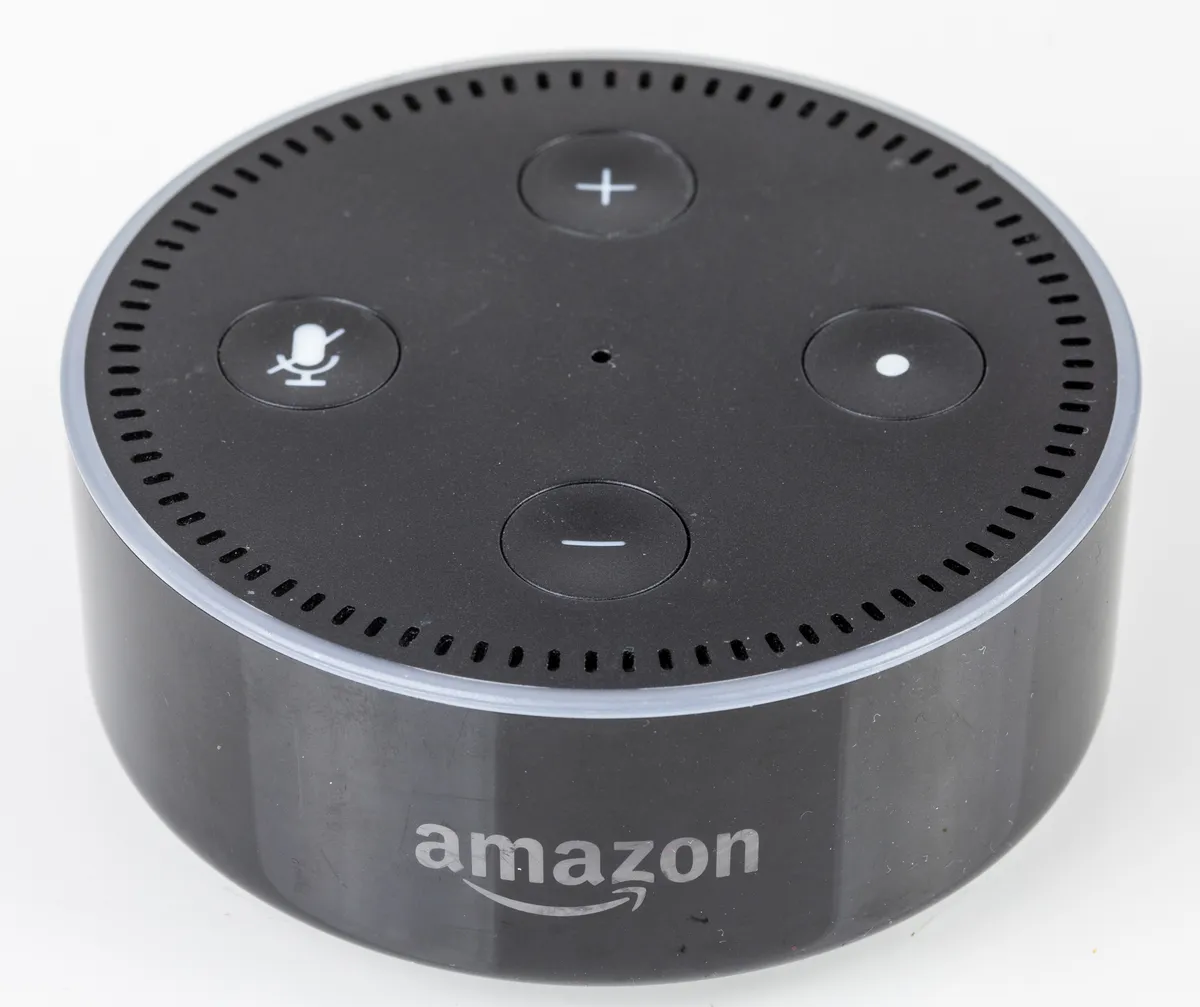
Privacy is a legitimate consideration rather than paranoia. These devices listen locally for a wake word and transmit after it triggers; false triggers happen, and recordings are retained by default on most platforms. If that matters to you, check whether the model has a physical microphone mute switch — a hardware disconnect rather than a software toggle — and review the retention settings when you set it up.
Also check what happens without internet. Some smart speakers become inert when the service is unreachable and cannot even play from a local device. Others fall back to Bluetooth. The latter is considerably more useful. Our Sonos Era 100 review covers one such speaker tested both solo and stereo-paired, which is the comparison that matters most in this category.
Stereo pairs: the biggest upgrade nobody makes
A single speaker, however good, produces a point source. Two speakers correctly placed produce a soundstage — instruments occupying apparent positions between and slightly beyond the boxes. This is the most striking difference between casual listening and actual listening, and it costs nothing extra beyond buying two boxes instead of one.
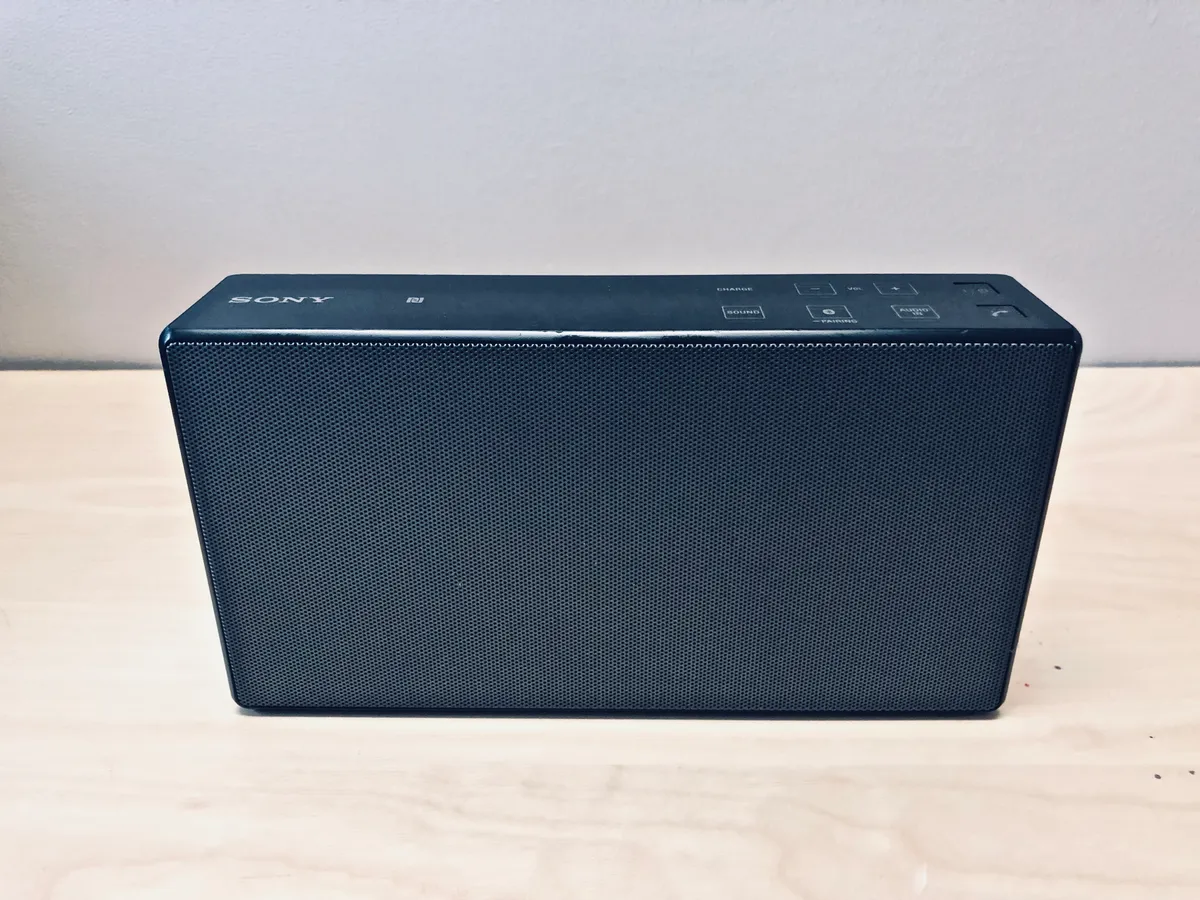
Powered (active) bookshelf speakers have amplification built into one cabinet and connect directly to a source, which removes the need for a separate amplifier and simplifies the whole setup considerably. For most people this is the right form: $350 of powered bookshelf speakers will outperform a $500 single wireless speaker by a wide margin on music.
Placement is where the free performance lives. Position them as an equilateral triangle with your listening position — if they are two metres apart, sit two metres back. Get the tweeters near ear height when seated, which usually means stands rather than a shelf. Pull them at least 20-30cm from the rear wall, because a speaker jammed against a wall gets a bass boost that sounds boomy rather than deep. And avoid placing one in a corner and one in open space, since asymmetric boundaries wreck the stereo image.
Subwoofers, rooms, and knowing when to stop
A subwoofer handles the bottom two octaves that small speakers physically cannot. In a room where you can play it at a reasonable level, it adds weight and makes bookshelf speakers sound considerably larger. In a flat with neighbours below, it is the single fastest way to generate complaints, because low frequencies pass through structure far better than they pass through air.
Room acoustics dominate at low frequencies regardless of equipment. Standing waves mean bass can be overwhelming in one seat and nearly absent two metres away, and no amount of money spent on speakers changes that. Moving the subwoofer, or moving the sofa, is the fix. A common technique is to place the subwoofer temporarily at your listening position, play bass-heavy music, and crawl around the room until you find the spot where it sounds most even — then put the sub there.
Soft furnishings help across the board. Rugs, curtains, and upholstered furniture absorb reflections that smear detail. A room with bare floors and glass walls will make expensive speakers sound harsh, and a $200 rug fixes more than a $500 speaker upgrade would.
Matching the purchase to the room and the use
Kitchen or bathroom: one waterproof portable, or a small smart speaker if you want timers and voice control. Sound quality is genuinely secondary here because you are moving around and there is background noise.
Bedroom: a small smart speaker or a compact powered pair. Check that the display can be dimmed fully, since a glowing status light is a real annoyance at 2am.
Living room, music-focused: powered bookshelf pair on stands, subwoofer if the building allows. Living room, television-focused: a soundbar, because dialogue intelligibility is the problem to solve and a soundbar with a centre channel addresses it directly.
Whole house: pick one ecosystem and commit, because mixing brands loses the grouping that is the entire point.
The general principle worth carrying out of all this: after roughly $400, additional money buys refinement that a normal room and normal listening conditions will partially mask. Spending $200 on the right placement, some soft furnishing, and a second speaker for stereo reliably beats spending $400 more on a single better box. That is not the conclusion the category markets, and it is the one that holds up in real rooms.
More coupon shopping advice

Home Security Camera Buying Guide: Local vs. Cloud Storage
A practical, balanced buying guide to home security cameras that weighs local storage against cloud subscriptions, wired versus battery power, camera placement, night vision, smart detection accuracy, and smart home integration.

Beginner Mirrorless Camera Buying Guide
A practical, honest walkthrough of what actually matters when buying your first mirrorless camera, from sensor size and lens mounts to autofocus, video specs, and the real total cost of a beginner-friendly system.

Air Purifier Buying Guide: CADR, ACH, and Filter Costs Explained
A practical walkthrough of the numbers that actually matter when buying an air purifier — CADR and ACH for sizing, true HEPA versus marketing terms, real three-year filter costs, realistic noise levels, and when a purifier won't help at all.